
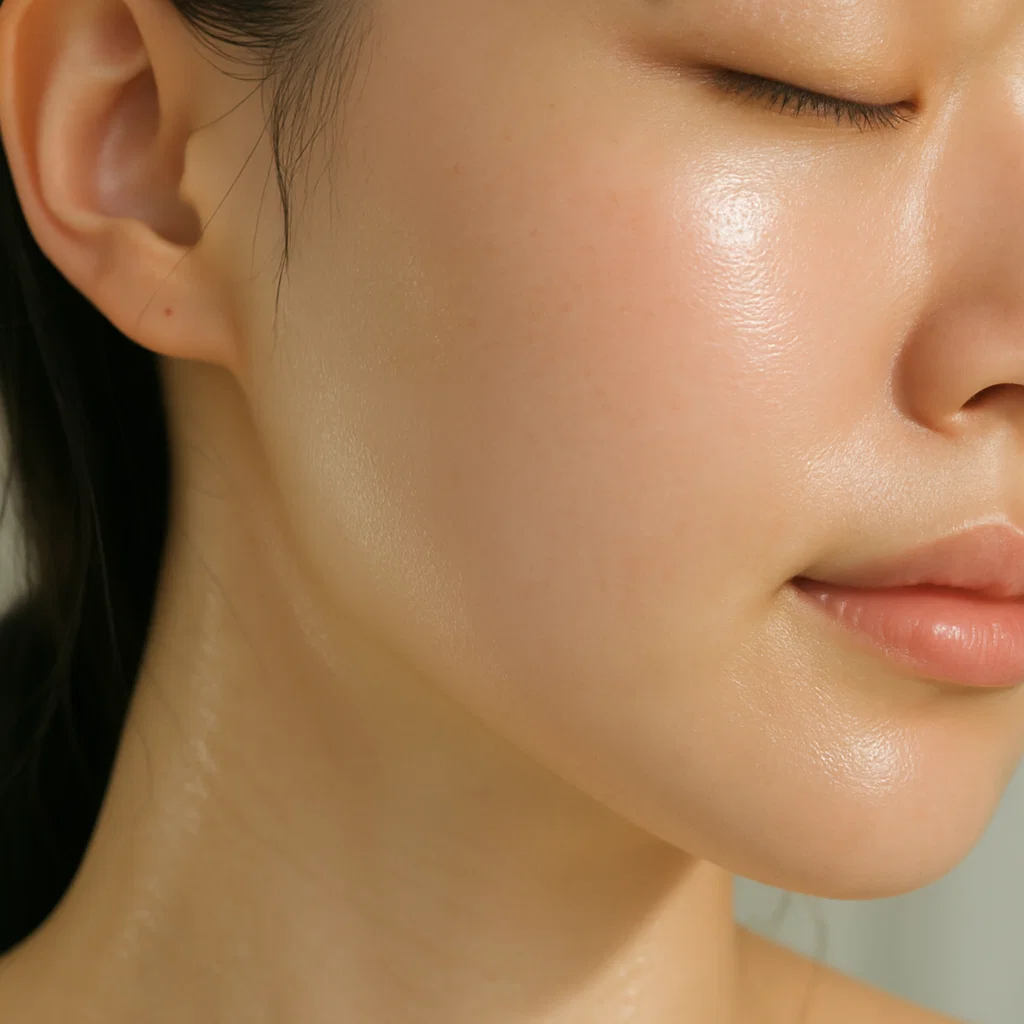
Q I've had facial flushing for three years now, and even makeup doesn't cover it well. Can it really get better? How long does treatment usually take?
A Even long-standing cases can see redness and burning meaningfully reduced by lowering the upward-floating heat and calming inflammation. Typically, with two to three months of consistent treatment, the goal is a noticeable decrease in both frequency and intensity.
Detailed Answer
Rosacea follows a chronic course, but by managing triggers and addressing internal heat and inflammation, the redness and flushing gradually stabilize. It does not change overnight, however—usually the frequency of the burning sensation begins to decrease after about a month, and with two to three months of consistent care you can expect to feel considerably more comfortable in daily life.
Korean Medicine Clinic Perspective
The longer-standing the flushing, the more important it is to address the underlying upward-shifted heat together rather than just calming the surface. Dongjedang does not stop at relieving symptoms; the standard for recovery is creating a bodily state in which the face no longer flushes easily.
Related FAQs
-
Q
It's hard for me to come in often because of work. Is a remote (non-face-to-face) consultation possible?
#Possibility / Realistic Goals
-
Q
I'm confused about whether I have rosacea or seborrheic dermatitis, and I've been told I have both. Can they get better together?
#Comorbidities
-
Q
I thought it was acne and kept squeezing and treating it, but it didn't heal and got even redder. How is rosacea different from acne?
#Comorbidities
-
Q
Is there anything I can do right away when my face suddenly flares up?
#Lifestyle Management
-
Q
How should I handle daily cleansing and skincare for rosacea-prone skin?
#Lifestyle Management