
Rosacea
Rosacea
Chronic skin condition causing facial redness and visible blood vessels
# Possibility / Realistic Goals (1)
# Comorbidities (2)
Q I'm confused about whether I have rosacea or seborrheic dermatitis, and I've been told I have both. Can they get better together?
A. Rosacea and seborrheic dermatitis often appear together on the face, and both involve facial redness and inflammation. When the upward-floating heat and the skin inflammation are addressed together, both often improve.
View details →Q I thought it was acne and kept squeezing and treating it, but it didn't heal and got even redder. How is rosacea different from acne?
A. Rosacea's red bumps can look like acne, but the differences are that there are no comedones (blackheads and whiteheads), the face flushes easily, and broken capillaries are visible. Squeezing it like acne actually makes it worse, so distinguishing the two is important.
View details →# Lifestyle Management (2)
Q Is there anything I can do right away when my face suddenly flares up?
A. Move to a cooler place and gently apply a lukewarm or cool damp cloth to your face to bring the heat down. Washing with cool water helps, but avoid overly cold stimulation or rubbing.
View details →Q How should I handle daily cleansing and skincare for rosacea-prone skin?
A. Cleanse gently with lukewarm water, protect your skin barrier with a low-irritation moisturizer, and always apply sunscreen when going out. It's best to avoid products high in alcohol or fragrance, as well as peels and scrubs.
View details →# Safety (1)
# Drug Combination / Interactions (1)
# Prognosis / Recovery (2)
Q I've had facial flushing for three years now, and even makeup doesn't cover it well. Can it really get better? How long does treatment usually take?
A. Even long-standing cases can see redness and burning meaningfully reduced by lowering the upward-floating heat and calming inflammation. Typically, with two to three months of consistent treatment, the goal is a noticeable decrease in both frequency and intensity.
View details →Q My facial burning and flushing got worse together when I entered menopause. Will it improve on its own once menopause passes, or will it come back?
A. Menopausal hormonal changes aggravate facial flushing, but rosacea does not disappear on its own and needs management. Lowering the upward-floating heat and addressing triggers together can lengthen the interval between flare-ups and reduce their intensity.
View details →# Causes Explained (2)
Q What kind of condition is rosacea (rhinophyma / "strawberry nose")?
A. Rosacea is a chronic skin condition in which the central face—nose, cheeks, and forehead—becomes persistently red, with visible broken capillaries and recurring acne-like red bumps or pustules. In severe cases it can progress to rhinophyma, a thickening of the skin on the nose.
View details →Q Why do my face—especially my nose and cheeks—turn red so easily and so often?
A. The central face is rich in blood vessels and has thin skin, making it sensitive to stimulation. With rosacea, the blood vessels in this area dilate easily, so redness lingers and the face flushes even with minor triggers.
View details →# Food / Triggers (2)
Q I'm a self-employed man in my 50s who enjoys a drink with dinner and likes spicy food. My nose and cheeks get even redder the day after drinking. Can treatment still help if I can't fully change my eating habits?
A. Alcohol, spicy food, and hot drinks directly dilate the facial blood vessels and are the fastest triggers of worsening redness. Treatment can proceed even if you can't quit them completely, but cutting back alongside makes the results much faster and longer-lasting.
View details →Q My face flares up when I come into a warm room from the cold in winter, or when I'm out in the summer sun. Which triggers should I be especially careful about?
A. The main triggers are sudden temperature changes, UV light, hot saunas and steam baths, alcohol, and spicy food. Simply using sun protection and reducing temperature swings can noticeably cut down how often you flush.
View details →# Treatment Schedule (1)
# Treatment Stages (2)
Q What stages does Korean medicine treatment go through?
A. It generally proceeds in this order: cooling and draining the heat-toxin accumulated inside (clearing heat and resolving toxin), then stabilizing the oversensitive skin immunity, and finally helping the damaged skin recover on its own. At each stage, acupuncture, herbal medicine, and lifestyle management are applied together.
View details →Q What should I prepare before the consultation?
A. If you organize when and in what situations your face turns red, the foods, temperatures, and stimuli that worsen it, the treatments you've received, and the cosmetics and medications you currently use, your visit will be faster and more accurate.
View details →# Effectiveness (2)
Q I've used antibiotics and topical medication from a dermatologist for over six months, but the redness comes right back when I stop. Can it get better without medication?
A. Topical and oral medications suppress inflammation, but the underlying constitutional tendency for the face to flush easily remains, so relapse is common when they are stopped. By addressing the root cause—lowering the upward-floating heat—the goal can be a state that relies less on medication.
View details →Q I removed the redness with laser treatment, but it came back over time. How is Korean medicine treatment different?
A. Laser erases the broken capillaries that are already visible, but the cause of new redness remains, so it can recur over time. The strength of Korean medicine lies in addressing the internal tendency for heat to shift toward the face, reducing how often the redness returns.
View details →Rosacea is not just a simple symptom
Korean medicine that considers both your constitution and lifestyle rhythm treats the root cause.
From consultation to precise treatment, we provide personalized care.
Prescriptions tailored to your constitution and symptoms treat the root cause
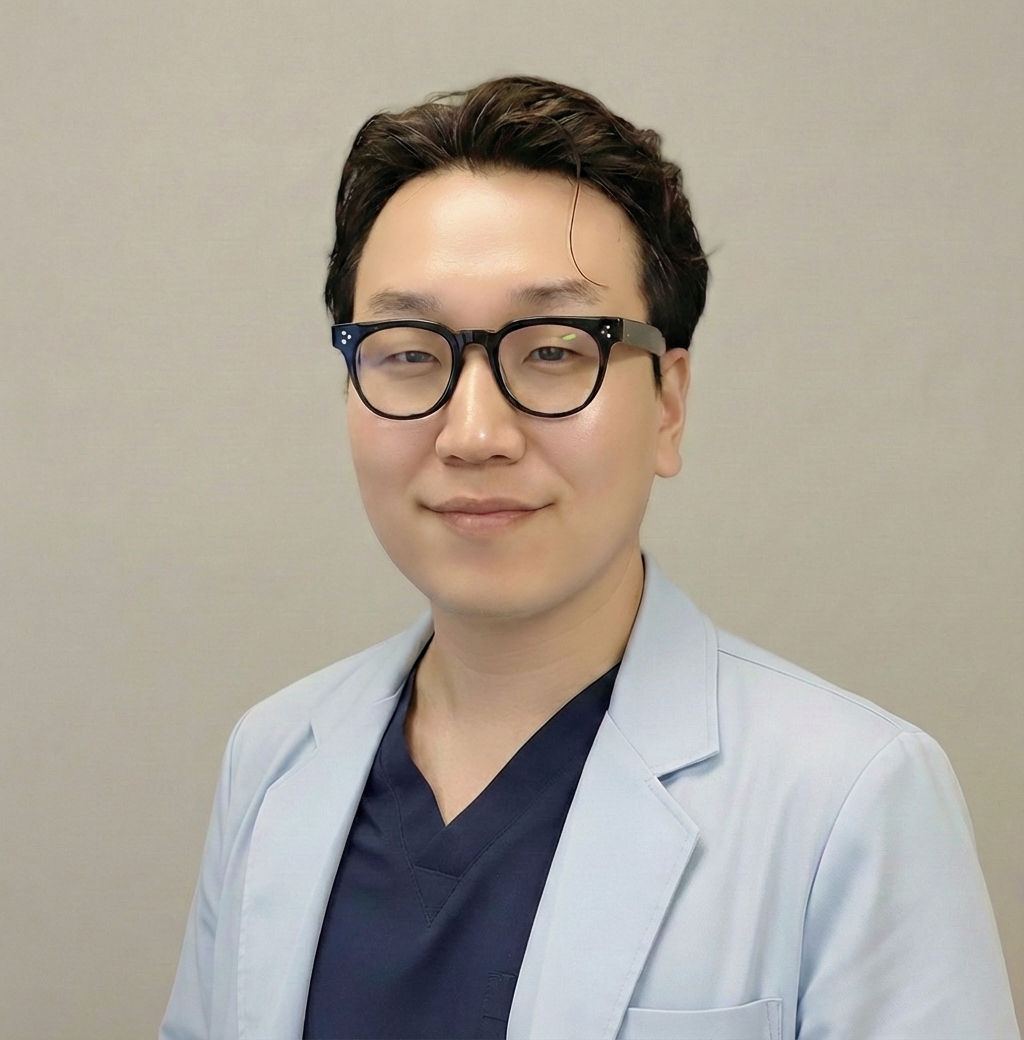
The director personally sees you from first to follow-up visits
We identify the essence through Sasang constitution, pulse and abdominal diagnosis
Treatment based on long clinical experience and evidence
Was this helpful? If you need accurate care for your condition, please contact us below.