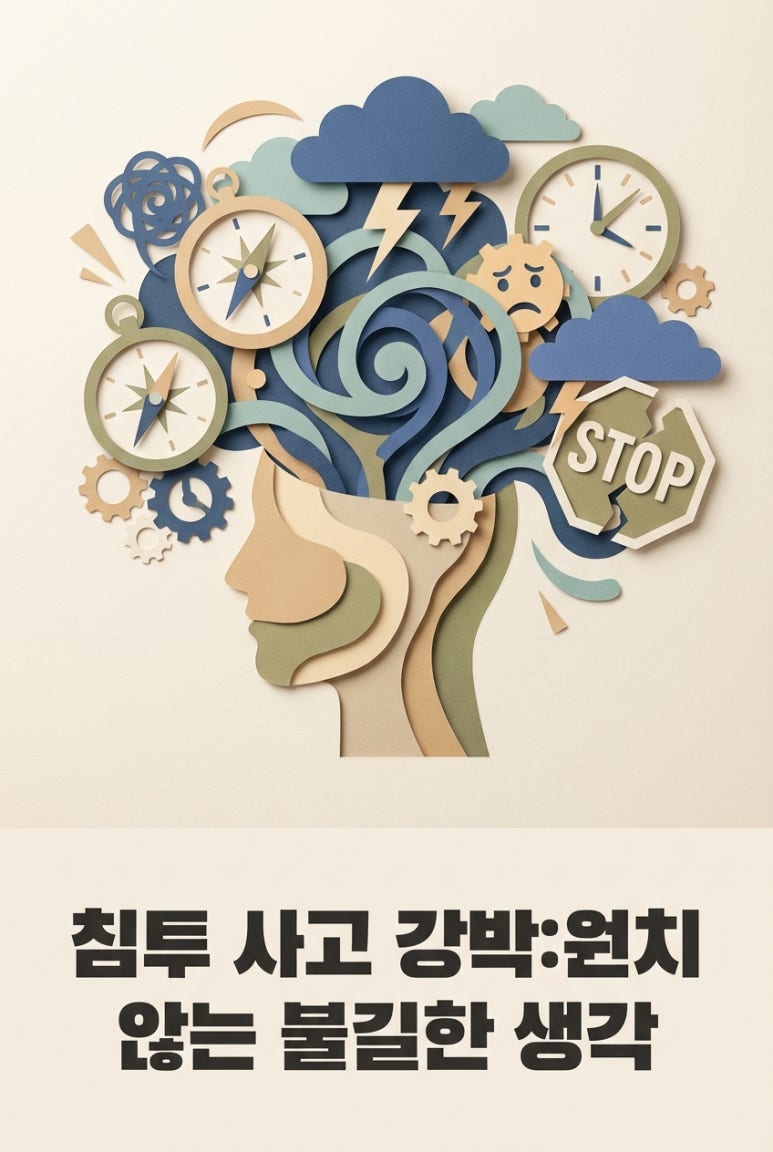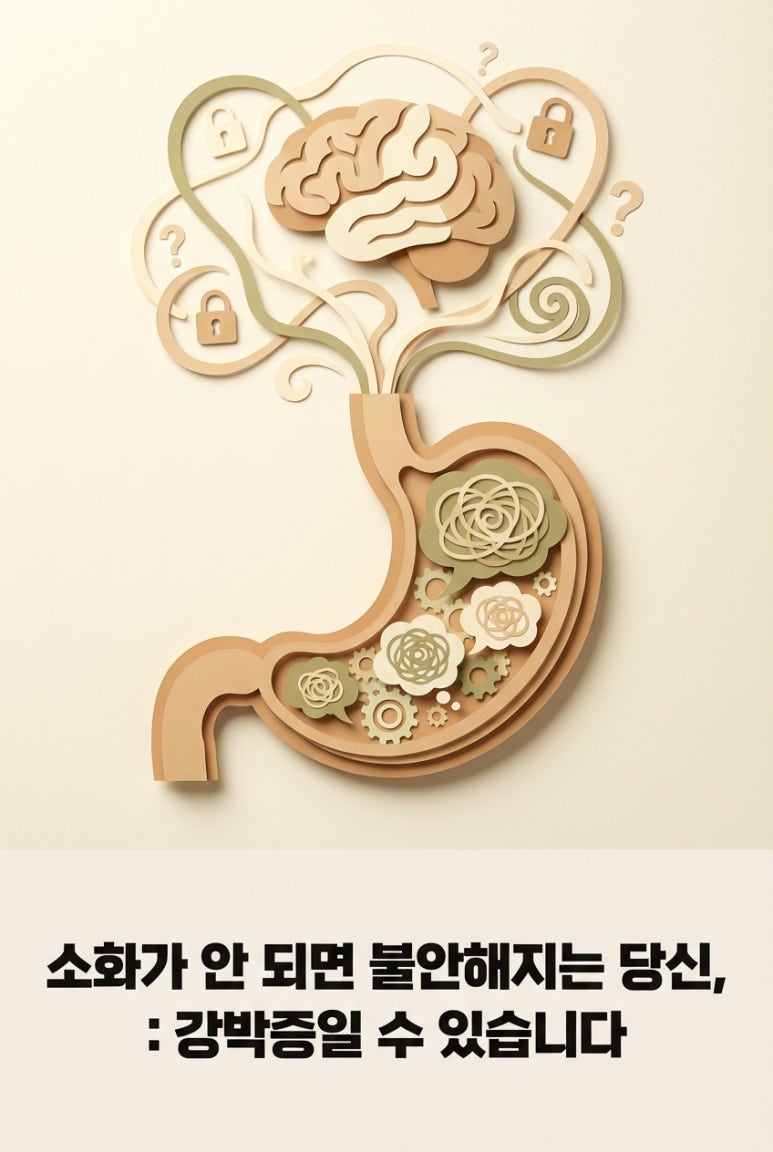

Sleep Settles Gently on a Clear Mind — Before Pressing the Sleep Medication Button

 🧾 Answer First | Core Conclusion
For those whose bodies feel heavy as lead, yet whose eyes are wide awake when they lie down, and whose sleep becomes increasingly distant despite increasing sleep medication.
I am Dr. Choi Jang-Hyuk, director of Dongjjedang Oriental Medicine Clinic.
I tell such patients this first.
It is not that sleep is not coming.
It is that the clouded mind from the daytime cannot settle down at night.
Sleep settles gently on a clear mind. Just as covering cloudy water with a lid does not make it clear, pressing the mind with medication does not bring sleep.
Today I will address three things first.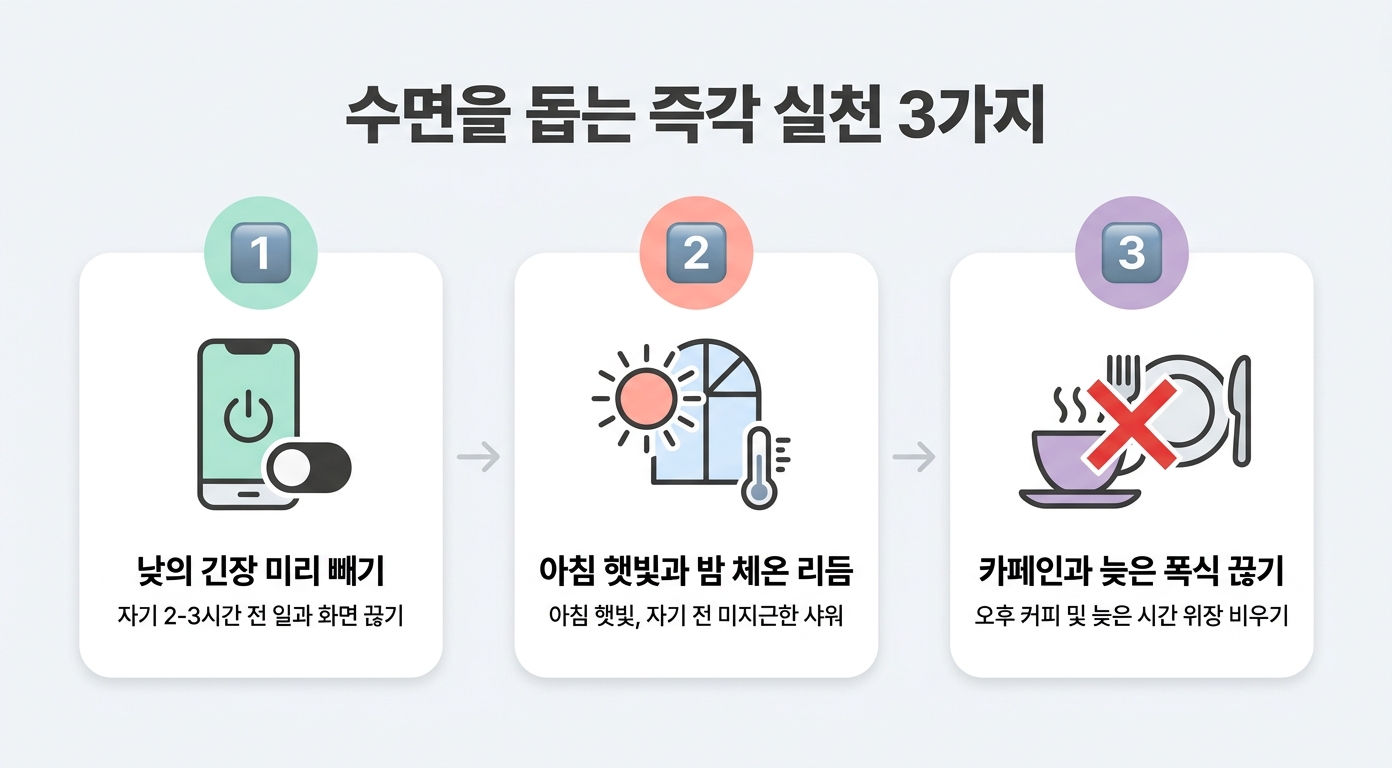
✅ Action | Immediate Implementation
1️⃣ Release daytime tension beforehand, not right before sleep
The more you try to stop your thoughts while lying in bed, the more your mind churns.
Cloudy water becomes murkier the more you stir it.
Stop work and screens 2-3 hours before bed, and give your mind time to settle in advance.
2️⃣ Establish rhythm with morning sunlight and nighttime body temperature
When you wake in the morning and see sunlight, your body knows "the day has begun."
Only then does your body receive the proper signal at night that "it is time to sleep."
Take a lukewarm shower 1-2 hours before bed to cool your heated body.
3️⃣ Cut out caffeine and late-night overeating
Afternoon coffee keeps you awake far longer than you think.
Overeating before bed makes your digestive system work, which interferes with sleep.
The later the hour, the more you should keep your digestive system empty.
If this situation persists even after doing these three things for two weeks,
the daytime cloudiness may have already hardened by nighttime.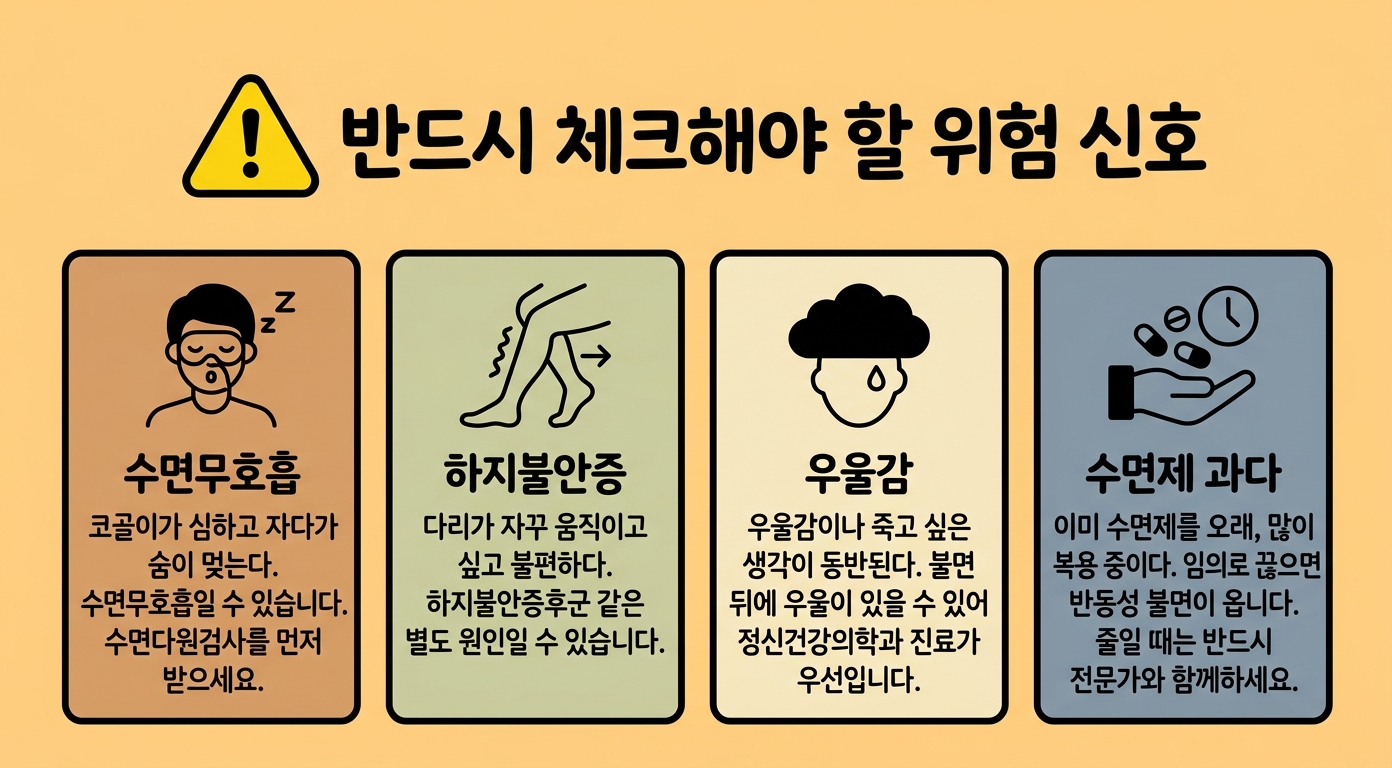
🚨 Warning | Warning Signs That Must Be Checked
If you have the following signs, examination or treatment is needed before Oriental medicine management.
✔ Severe snoring and breathing stops during sleep
You may have sleep apnea. Get a sleep study first.
✔ Legs keep wanting to move and feel uncomfortable
This may be a separate condition like restless leg syndrome.
✔ Accompanied by depression or thoughts of death
Depression may underlie insomnia, so psychiatric evaluation should come first.
✔ Already taking sleep medication for a long time and in large amounts
Stopping arbitrarily causes rebound insomnia. Always consult a specialist when reducing.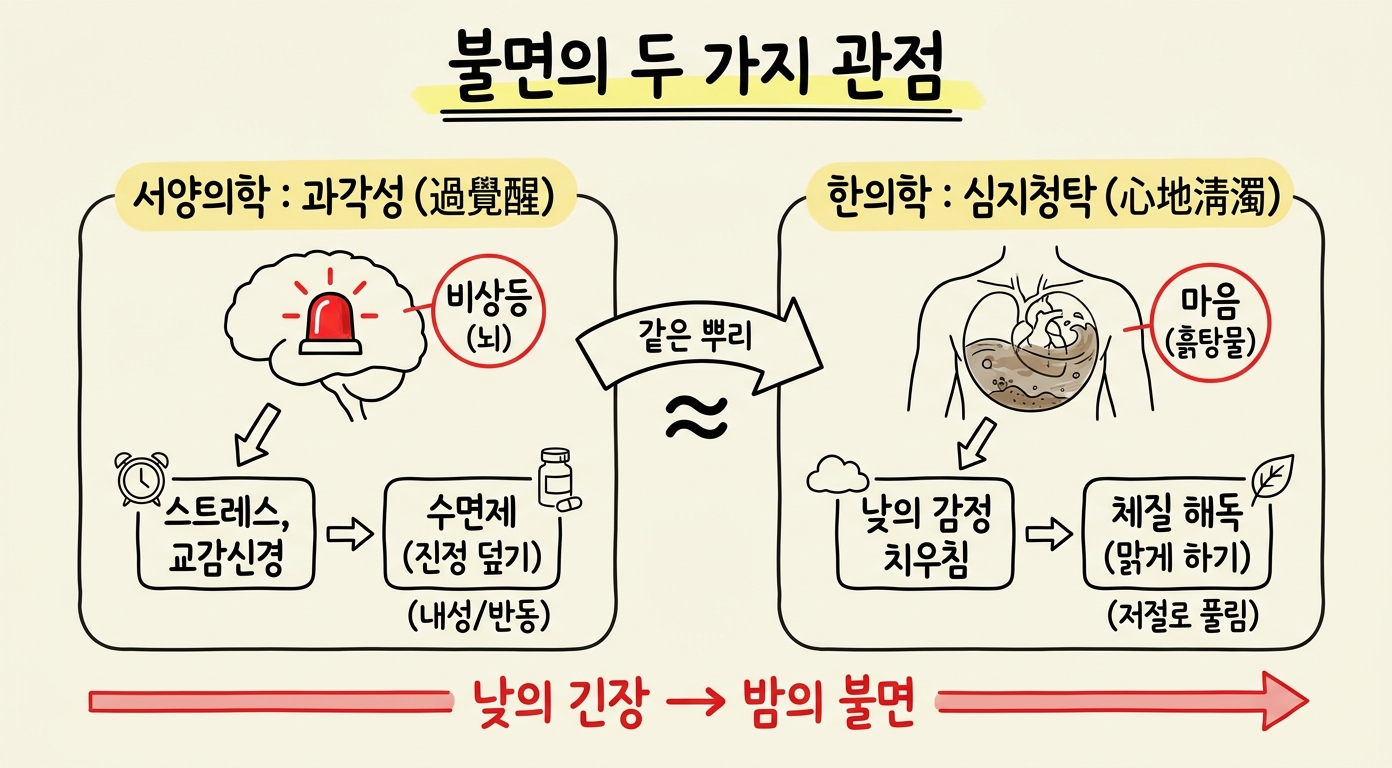 🧠 The Why | Root Cause Analysis
Explanation | Western Medicine Perspective
Western medicine views insomnia as "hyperarousal."
Tension that is activated during the day does not turn off at night.
Stress hormones and sympathetic nervous system remain active, so the body is exhausted but the brain cannot turn off its warning light.
Sleep medication simply adds a layer of sedation on top.
Because it does not fix the switch itself, tolerance develops with long-term use, and rebound insomnia occurs when discontinuing.
But Western medicine stops here. It does not ask "Why specifically does this person fail to turn off tension at night?"
Explanation | Oriental Medicine Perspective
Sasang Constitutional Medicine looks deeper.
Sleep settles on a clear mind (淸), but cannot settle on a clouded mind (濁).
Lee Je-ma called this clarity and cloudiness of mind "shimji-cheongtak" (心地淸濁).
When emotions become one-sided during the day and the mind churns, the mind becomes clouded like muddy water.
This cloudiness cannot settle even at night, pushing away sleep.
Here, the same root appears as in the previous irritable bowel discussion.
Daytime emotional bias manifests in one person as a sensitive intestine in one direction and clouded sleep in another.
This is why people with sensitive bowels also have shallow sleep: the same bias flows to both places.
That is why cloudy water does not become clear from stirring.
You must let it be still, and remove the sediment that caused the cloudiness for it to become clear.
Constitutional detoxification removes that sediment—the food stagnation and phlegm-dampness (late-night overeating, bloated stomach) arising from daytime emotional bias that blocks sleep. It does not mean "emptiness brings sleep," but rather "clarifying the mind's foundation in daytime naturally opens the night."
This clarity and cloudiness of mind (心地淸濁) is explored more deeply in
Structural Comparison of Shimji-Cheongtak and Individuation, which I recommend for those who wish to delve deeper into sleep matters.
📊 Proof | Case Studies and Evidence
There was a man in his 40s working in an office.
His body was near exhaustion, yet when he lay down, the meeting he had not finished during the day played repeatedly in his head.
He was in the process of increasing sleep medication from half a pill to one pill, then to two pills.
I did not ask "What time do you sleep?" but rather "What thoughts come when you lie down?"
Always, the anger suppressed and unfinished work from daytime rose up at night.
Daytime cloudiness had followed him into night.
He was not a person unable to sleep, but a person unable to turn off the day.
When we addressed his constitutional bias during the day and eased the burden inside, the time spent tossing and turning in bed decreased.
Sleep came faster without increasing medication.
Sleep was not forcibly pulled forth, but settled into its proper place as the mind's foundation became clear.
Detailed cases of chronic fatigue insomnia in office workers are discussed in Chronic Fatigue Insomnia Cases.
The point that addressing daytime hyperarousal is more fundamental than sleep medication is the same direction modern sleep medicine is taking.
This is why cognitive behavioral therapy, not medication, is recommended as the first-line treatment for insomnia. 🔚 Closing | Summary and Encouragement
It is not that sleep is not coming.
It is that the day has not yet turned off.
Before pressing the night with medication, you must first clear the mind's foundation clouded during the day.
When that cloudiness settles, sleep returns to its place.
When the same cloudiness also presses and tightens the chest during the day, it becomes anxiety.
That story will continue in the next post.
If you wish to clarify a clouded mind's foundation together, see our mental health program,
and if you wish to address the inner burden that disrupts sleep, check out our constitutional detoxification program
and feel free to contact us.
✍️ Reviewed by Dr. Choi Jang-Hyuk, Director of Dongjjedang Oriental Medicine Clinic
❓ FAQ
Q. Why can't I sleep when my body is so tired?
Physical fatigue and brain wakefulness are different switches. If daytime tension does not turn off at night, the body is exhausted but the brain remains awake. This is why you sleep worse the more tired you become.
Q. Can I keep taking sleep medication?
Sleep medication works by covering wakefulness with sedation, so it does not eliminate the cause of wakefulness. Long-term use creates tolerance and deeper insomnia upon discontinuation. However, stopping arbitrarily is dangerous, so always consult a specialist when reducing.
Q. Will melatonin or probiotics help?
Some benefit, but these alone do not relieve daytime tension. For lasting stability, you must address the root cause of poor sleep—the clouded mind's foundation throughout the day.
Q. Why do you recommend detoxification for insomnia?
Constitutional detoxification addresses emotional bias that causes incorrect eating and relieves the inner burden that disrupts sleep. Through this process, the clouded mind's foundation becomes clear and sleep stabilizes together.
📚 References
[Western Medicine (WM)]
[1] Hyperarousal Model in Insomnia — HPA Axis and Sympathetic Nervous System Hyperactivity
[2] Cognitive Behavioral Therapy for Insomnia (CBT-I) Recommended as First-Line Treatment (AASM Clinical Practice Guideline)
[3] Tolerance and Rebound Insomnia from Z-drugs (Zolpidem, etc.)
[Oriental Medicine (KM)]
[4] Korean Society of Oriental Neuropsychiatry. 『Standard Clinical Practice Guidelines for Insomnia in Oriental Medicine』 (Sanjoinsang, Guibisang, Gamiseoyosang, etc.)
[5] Lee Je-ma. 『Donguisusebowon』 Theory of Four Constitutions — Shimji-Cheongtak (心地淸濁), Heart Governs Spirit
[6] Choi Jang-Hyuk. 「Structural Comparison of Shimji-Cheongtak (心地淸濁) and Individuation」 Soweonjae 2026
[7] Choi Jang-Hyuk. 「Modern Reinterpretation of Bibaktamna (鄙薄貪懦) — Structural Analogy between Sasang Psychology Personality Pathology Theory and DSM-5 Personality Disorders」 Soweonjae 2026
Mental Health
Sleep Settles Gently on a Clear Mind — Before Pressing the Sleep Medication Button
View Program