
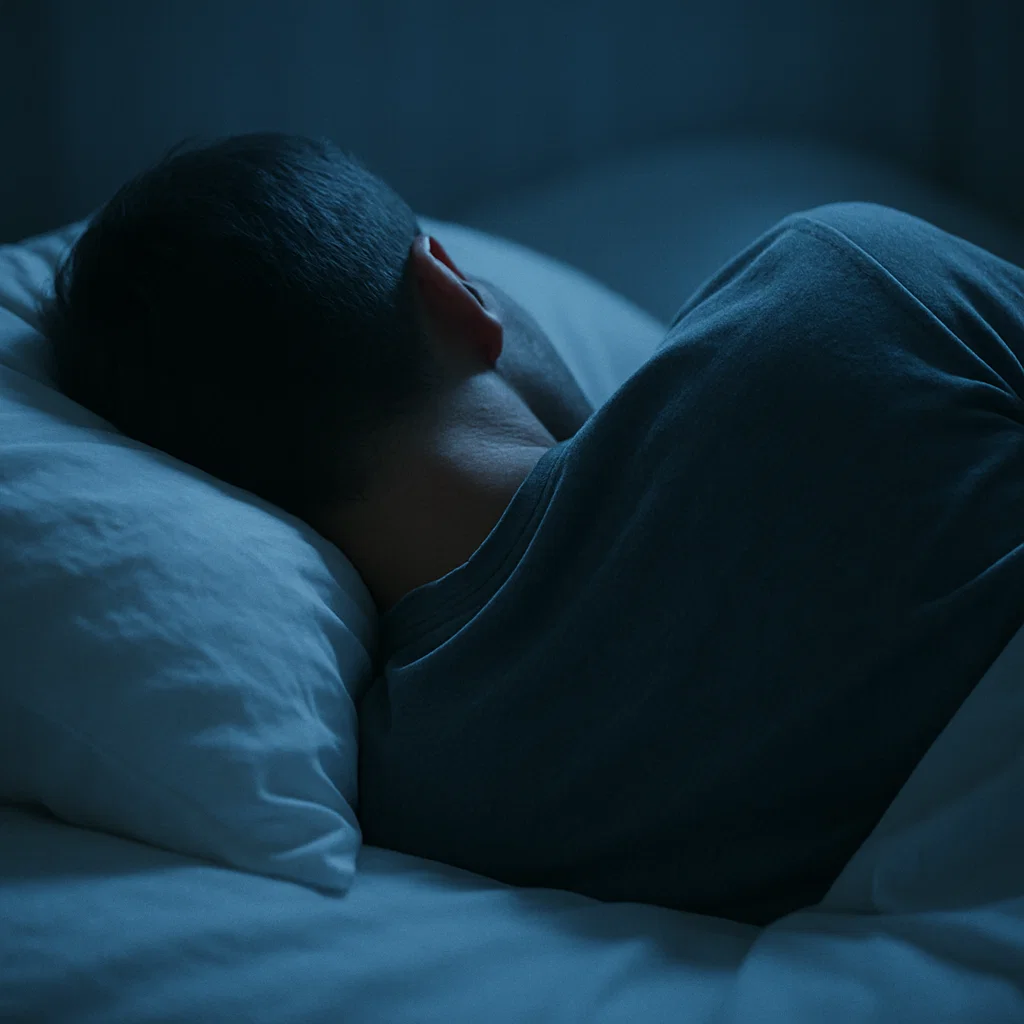
Depression
Depression
Persistent low mood and loss of motivation

# Possibility / Realistic Goals (1)
# Comorbidities (1)
# Lifestyle Management (2)
Q I heard exercise and sunlight help with depression. How exactly should I do this?
A. Aerobic exercise of 30 minutes or more, 3 to 5 times a week, has been shown to have effects comparable to SSRIs. Getting 20 to 30 minutes of morning sunlight is effective for serotonin synthesis and stabilizing your sleep rhythm.
View details →Q If you have depression, you may sleep too much or not at all. How should you manage your sleep?
A. Maintaining a consistent bedtime and wake-up time is the most important thing. Basic sleep hygiene involves limiting daytime naps to within 30 minutes and avoiding light from smartphone and TV screens at night.
View details →# Safety (1)
# Drug Combination / Interactions (2)
Q I am currently taking SSRIs; is it safe to take herbal medicine at the same time? I am concerned about ingredients like St. John's Wort.
A. St. John's Wort must be strictly avoided due to the risk of serotonin syndrome associated with SSRIs. This ingredient is not included in prescriptions from domestic Korean medicine clinics, and we can prescribe safely if you provide a list of your current medications.
View details →Q I've taken antidepressants for a long time and want to reduce them. If I combine Korean medicine treatment, can I taper off later?
A. It is possible, but it must be led by the prescribing physician. Reducing antidepressants abruptly can cause discontinuation syndrome (headache, dizziness, electric-shock sensations), so the safe approach is to stabilize your condition with Korean medicine first and then taper gradually under a psychiatrist.
View details →# Prognosis / Recovery (2)
Q Can depression be cured with treatment? How long does it take?
A. For a first episode, 60 to 70% of people improve with faithful SSRI treatment. It usually takes 2 to 6 weeks for the medication to take effect, and maintenance treatment for 6 to 12 months or more after symptoms resolve is important for relapse prevention.
View details →Q I recovered once but relapsed. Can I recognize the warning signs of relapse in advance?
A. Changes in sleep (difficulty falling asleep or sleeping too much), loss of interest, a sudden surge in fatigue and increased negative thoughts are early signs of relapse. If such changes persist for 1 to 2 weeks, it is important to tell your medical team right away.
View details →# Causes Explained (2)
Q Why does depression happen? I'm always confused about whether it's a matter of willpower or a problem with the brain.
A. It is not a matter of willpower but a biological illness arising from an imbalance of neurotransmitters in the brain. When serotonin, norepinephrine and other chemicals decline, mood, sleep, appetite and concentration all break down together.
View details →Q I heard there are different types of depression. Are seasonal depression and postpartum depression treated differently?
A. Besides major depressive disorder, there are subtypes such as seasonal (from reduced winter sunlight), postpartum (from sudden hormonal changes) and dysthymia (chronic mild depression). Because their causes differ, treatment approaches differ too, but SSRI-class medication and psychotherapy are commonly used together.
View details →# Food / Triggers (2)
Q Are there any foods that are good for depression? Conversely, I am also curious about foods to avoid.
A. Omega-3 (blue-backed fish), tryptophan (eggs, beans, nuts), and Vitamin D (sunlight, salmon) help with serotonin synthesis. It is best to avoid alcohol, excessive sugar, and caffeine, as they worsen mood swings.
View details →Q I am afraid that I will become depressed again if I get stressed. Can stress management and recurrence prevention be linked?
A. Stress raises cortisol levels, suppresses serotonin, and damages the hippocampus, becoming a major trigger for the recurrence of depression. Mindfulness, exercise, and sufficient sleep are effective in preventing recurrence by lowering cortisol levels.
View details →# Treatment Schedule (2)
Q I also see a psychiatrist. How often should I visit the Korean medicine clinic?
A. Intervals of 2 to 4 weeks are common at first, and once your condition stabilizes this can be reduced to once a month. Scheduling your visits to alternate with your psychiatry appointments reduces the burden.
View details →Q If I visit a Korean medicine clinic for depression for the first time in the Dong-gu or Dongincheon area of Incheon, how does it proceed?
A. At your first visit, we listen carefully to your current mood, sleep, appetite and energy and the medications you are taking, then examine you. Together we set a safe direction for combined prescription and a lifestyle management plan.
View details →# Treatment Stages (1)
# Effectiveness (2)
Q If I am taking SSRIs, will there actually be any changes if I combine them with Korean traditional medicine treatment?
A. If SSRIs serve to lift a low mood, Korean traditional medicine complements residual symptoms such as sleep quality, fatigue recovery, digestive function, and anxiety reduction. It helps accelerate the recovery of daily life while maintaining medication.
View details →Q Can depression be treated with herbal medicine alone, without antidepressants?
A. Mild depression can sometimes improve with Korean medicine treatment and lifestyle management alone. However, if it is moderate or more severe, or if there are suicidal thoughts, antidepressant treatment comes first and Korean medicine plays a supporting role.
View details →Depression is not just a simple symptom
Korean medicine that considers both your constitution and lifestyle rhythm treats the root cause.
From consultation to precise treatment, we provide personalized care.
Prescriptions tailored to your constitution and symptoms treat the root cause
The director personally sees you from first to follow-up visits
We identify the essence through Sasang constitution, pulse and abdominal diagnosis
Treatment based on long clinical experience and evidence
Was this helpful? If you need accurate care for your condition, please contact us below.