

Post-Traumatic Stress Disorder (PTSD)
Post-Traumatic Stress Disorder
Persistent distress following traumatic experiences
# Possibility / Realistic Goals (1)
# Comorbidities (2)
Q I've been diagnosed with PTSD but I also have depression and panic symptoms. Can all of these be treated at once?
A. It is very common for PTSD to be accompanied by depression and anxiety disorders. In Korean medicine treatment, we address all three at once with formulas that treat the disharmony of heart and kidney and heart-and-gallbladder deficiency together, stabilizing whichever symptom is most severe first.
View details →Q Since my PTSD started, I've developed unexplained headaches and pain all over my body. Can a psychological problem show up as physical symptoms?
A. Yes. The chronic stress response of PTSD appears as somatic symptoms, commonly including tension headaches, musculoskeletal pain, and digestive problems. Psychogenic pain is still real pain, so receiving psychotherapy and Korean medicine treatment together is effective.
View details →# Lifestyle Management (2)
Q Is there a way to come back to reality when a flashback hits? In that moment it feels like nothing works.
A. Grounding techniques can help. Naming five things you can see and four things you can hear in turn, or focusing on the sensation of your feet touching the floor, brings your awareness back to the present time and place.
View details →Q I don't want to lie down because I'm afraid to fall asleep. I feel like a nightmare will start the moment I drift off. Is there a way to improve my sleep?
A. Creating a safe environment and establishing a regular bedtime routine before sleep are important. Cognitive Behavioral Therapy (CBT-I) methods such as sleep restriction therapy and stimulus control techniques are effective, and utilizing relaxation breathing and acupressure on the Baihui and Neiguan points before bed can also be helpful.
View details →# Safety (2)
Q I keep having thoughts that I want to die. I'm not sure if it's because of PTSD, but it's just too hard.
A. Please contact the Mental Health Crisis Counseling line at 1577-0199 (24 hours) right now, or visit a nearby emergency room. Suicidal thoughts are a serious complication of PTSD and require immediate professional intervention.
View details →Q Is it safe to take Gyeobitang or Ondamtang for a long period? I am being extra cautious because I am already taking psychiatric medication.
A. Gyeobitang and Ondamtang are highly safe prescriptions with a long history of clinical use. When used in conjunction with psychiatric medication, we maintain a dosage interval and monitor the treatment with regular blood tests.
View details →# Drug Combination / Interactions (1)
# Prognosis / Recovery (2)
Q Can PTSD be cured completely? It's been years and I'm still struggling. How long do I have to be in treatment?
A. With early, appropriate treatment, a substantial proportion of people improve. Even chronic PTSD that has lasted for years can recover when combined with evidence-based psychotherapy such as prolonged exposure therapy or EMDR, and Korean medicine treatment plays a role in boosting outcomes by calming the autonomic nervous system and improving sleep.
View details →Q Every night I have nightmares and flashbacks come during the day too—will these ever lessen? I don't know how to tell whether I'm getting better.
A. A decrease in the frequency of nightmares and a weakening in the intensity of flashbacks are the first signs of recovery. In many cases sleep quality improves first, followed by a reduction in re-experiencing responses and the recovery of daily functioning.
View details →# Causes Explained (2)
Q Why does Post-Traumatic Stress Disorder (PTSD) develop? The accident is over, but my body still reacts as if it's happening right now.
A. An extreme traumatic event disrupts the brain's memory processing circuits, leaving the threat response continuously activated even after the event has ended. The amygdala becomes overactivated while the prefrontal cortex loses its regulatory function, causing the same fear and arousal responses to occur even with minor stimuli.
View details →Q Besides traffic accidents, what kinds of experiences can trigger PTSD? I wasn't directly hurt—I only witnessed the accident—so is it normal to be struggling this much?
A. Yes, you don't have to be directly harmed. Witnessing a life-threatening event, learning of the sudden death or serious injury of someone close to you, or being repeatedly exposed to trauma through rescue or emergency work all meet the formal diagnostic criteria for PTSD.
View details →# Food / Triggers (2)
Q Suddenly, the events of that time come back vividly to mind, or even just hearing a similar sound makes my heart sink. How can I reduce these triggers?
A. A trigger is when sensory information (sounds, smells, scenes, weather, etc.) associated with an event activates the amygdala to trigger a re-experience response. Combining psychotherapy that identifies triggers and exposes the patient to them in stages with traditional Korean medicine treatments that lower autonomic hyperarousal can help reduce the intensity of the response.
View details →Q When I drink coffee my heart seems to race and my anxiety gets worse. Are there foods that are good or that I should avoid with PTSD?
A. Caffeine and alcohol stimulate the autonomic nervous system and worsen hyperarousal, so cutting back is recommended. Foods rich in tryptophan (nuts, tofu, eggs), omega-3 fatty acids, and magnesium help calm the nervous system.
View details →# Treatment Schedule (1)
# Treatment Stages (2)
Q Specifically, what is the sequence of steps involved in treating PTSD with Korean traditional medicine?
A. The process begins by stabilizing autonomic nervous system hyperarousal and sleep problems (Stage 1). This is followed by nourishing the heart energy and improving blood circulation to enhance psychological resilience (Stage 2). Finally, the treatment proceeds to a maintenance stage (Stage 3) to prevent recurrence and aid in returning to daily life.
View details →Q What should I prepare before my first appointment? It's my first time visiting a Korean medicine clinic for PTSD and I feel lost.
A. If you note down the timing and type of the traumatic event, which symptom is hardest right now (whether nightmares, flashbacks, avoidance, or hyperarousal is the most severe), and the name and dose of any psychiatric medication you are taking, your first visit will go quickly and accurately.
View details →# Effectiveness (1)
Post-Traumatic Stress Disorder (PTSD) is not just a simple symptom
Korean medicine that considers both your constitution and lifestyle rhythm treats the root cause.
From consultation to precise treatment, we provide personalized care.
Prescriptions tailored to your constitution and symptoms treat the root cause
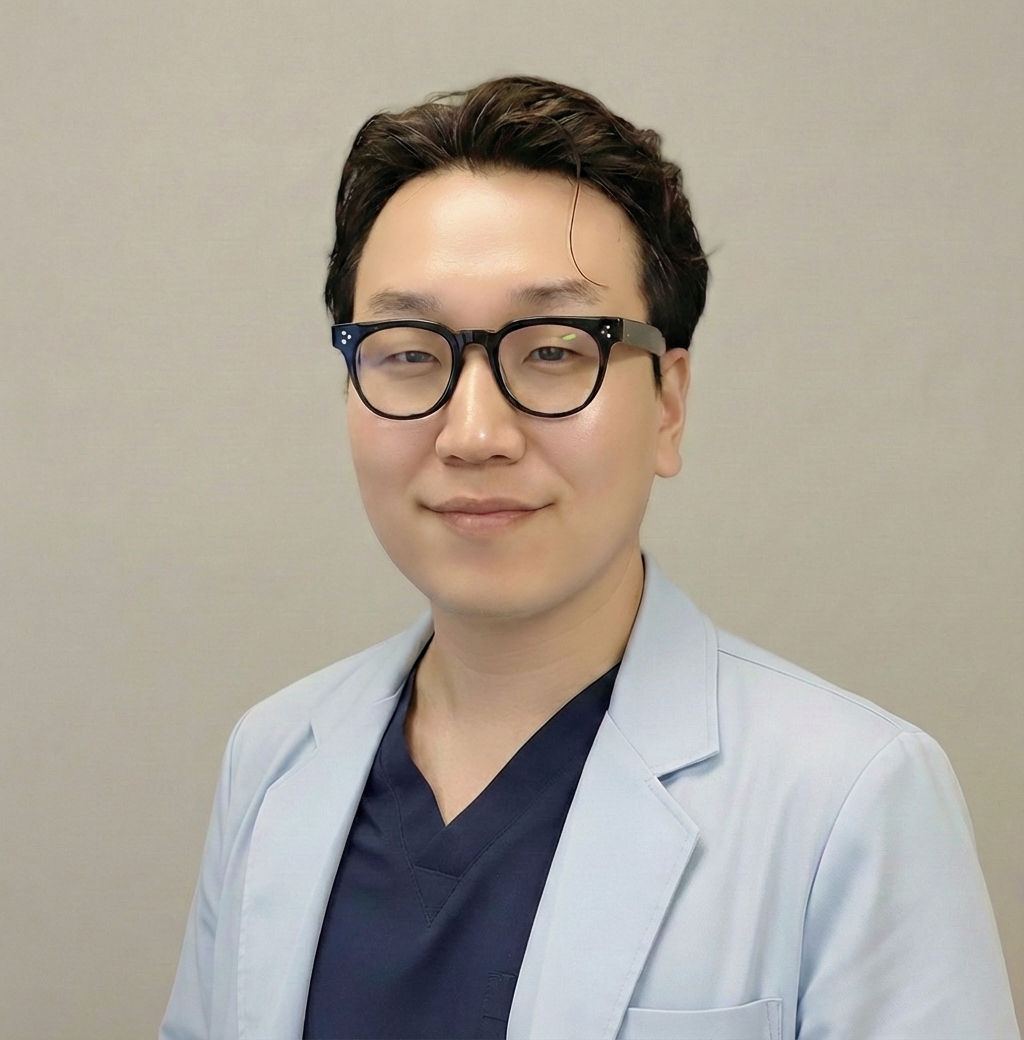
The director personally sees you from first to follow-up visits
We identify the essence through Sasang constitution, pulse and abdominal diagnosis
Treatment based on long clinical experience and evidence
Was this helpful? If you need accurate care for your condition, please contact us below.