
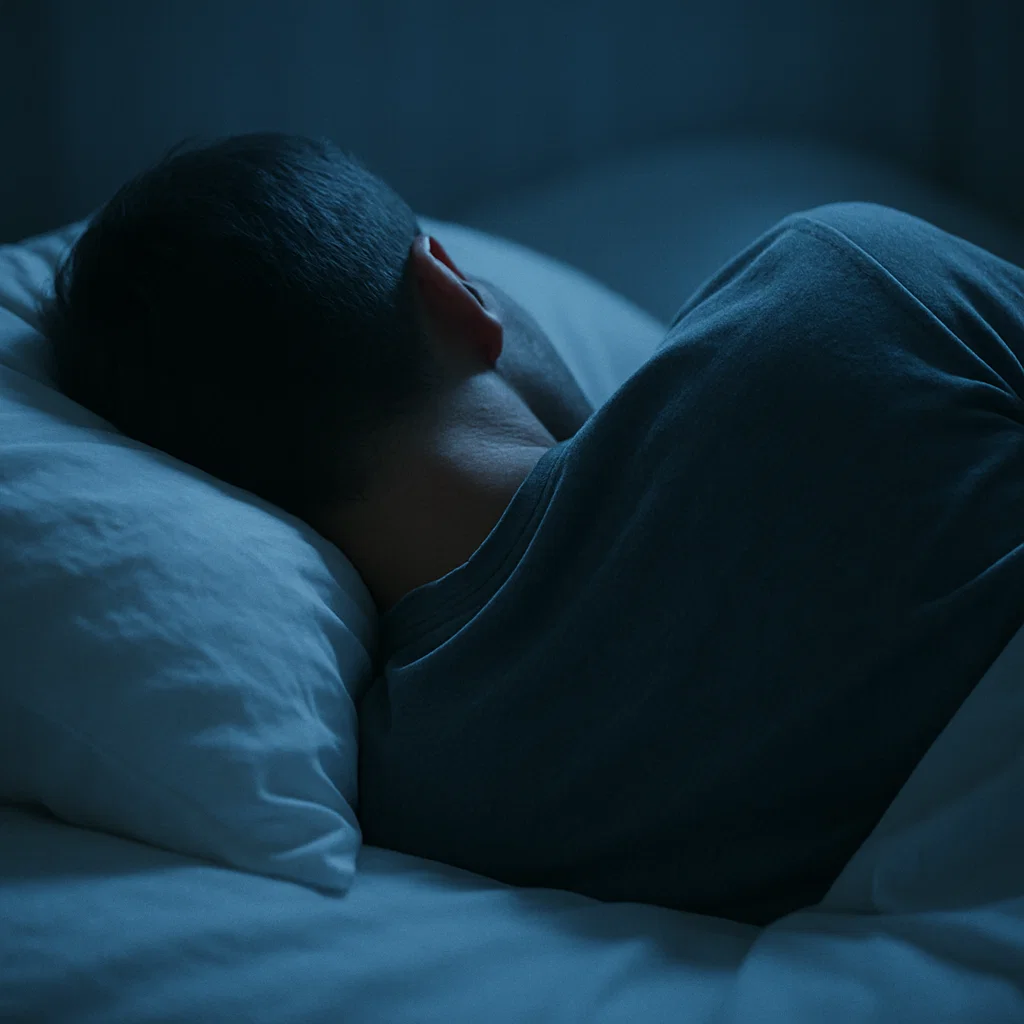
Restless Legs Syndrome
Restless Legs Syndrome
Uncomfortable leg sensations with an urge to move, especially at night
# Possibility / Realistic Goals (1)
# Comorbidities (1)
# Lifestyle Management (2)
Q Is there any self-care I can do before going to bed?
A. Soaking your lower legs in warm water for about 15 minutes before bed and gently massaging the Sanyinjiao (SP6) and Zusanli (ST36) areas can help. A regular bedtime and avoiding caffeine and alcohol are also important.
View details →Q I've heard exercise helps. What kind of exercise should I do and how?
A. Light aerobic exercise (walking, swimming) and stretching help. Intense exercise and vigorous activity right before bed can actually worsen symptoms, so caution is needed.
View details →# Safety (2)
Q How can I tell whether my abnormal leg sensations are restless legs syndrome or another condition? Should I go to a hospital first?
A. If the symptoms are one-sided, concentrated in one area, or accompanied by swelling, skin discoloration, or sudden onset, conditions such as peripheral neuropathy or varicose veins must be ruled out. In such cases, neurology or internal medicine testing comes first, and Korean medicine can be combined after testing.
View details →Q Is herbal medicine safe for my kidneys and liver?
A. Herbal medicine prescribed to match your diagnosis does not burden the liver or kidneys when taken for the recommended period. If your kidney function is already reduced, please let us know and we will adjust the formula accordingly.
View details →# Drug Combination / Interactions (2)
Q I'm taking neurology medication. Is it okay to take herbal medicine alongside it?
A. In most cases they can be combined by leaving a 1–2 hour gap. Let us know your current medications during consultation so we can review interactions, and once symptoms stabilize, we adjust treatment together to gradually reduce the neurology medication.
View details →Q I often take antihistamines for allergies. Are these related to restless legs syndrome?
A. Antihistamines can interfere with dopamine activity in the brain and worsen restless legs syndrome symptoms. Sleep aids and cold medicines also contain antihistamines, so it's worth checking before taking them.
View details →# Prognosis / Recovery (2)
Q I've had these symptoms for years. Can Korean medicine really improve them, and how long does it usually take?
A. Even in long-standing cases, steadily replenishing blood deficiency and kidney yin deficiency can reduce the frequency and intensity of nighttime symptoms. The standard treatment period is usually 1–3 months, and many people first notice an improvement in sleep quality.
View details →Q My legs keep me from sleeping properly, so I'm exhausted during the day too. Does sleep improve first?
A. In the early stages, nighttime leg discomfort often decreases and sleep quality improves first. Once sleep stabilizes, daytime fatigue and concentration naturally follow and improve.
View details →# Causes Explained (1)
# Food / Triggers (2)
Q I enjoy coffee and alcohol. Do these make my leg symptoms worse at night?
A. Caffeine and alcohol disrupt sleep and affect dopamine and iron absorption, making them major aggravating factors for restless legs syndrome. Simply cutting back after the evening can improve nighttime symptoms.
View details →Q I heard symptoms worsen when iron is low. What foods would help?
A. Eat iron-rich foods such as red meat, oysters, tofu, spinach, broccoli, and sesame often, and pair them with vitamin C to boost absorption. Eating them with coffee or black tea hinders absorption.
View details →# Treatment Schedule (2)
Q I have a job and find it difficult to visit frequently. How often do I need to come?
A. You do not need to come every day. Treatment typically involves acupuncture and moxibustion 1 to 2 times a week in conjunction with daily herbal medicine, allowing you to continue treatment while maintaining your busy daily routine.
View details →Q I'm looking for a Korean medicine clinic near Dongincheon that treats restless legs syndrome. How does the first consultation work?
A. At the first consultation, we carefully examine the pattern, timing, and sleep impact of your leg symptoms, as well as overall fatigue and whether blood deficiency is present. Based on this, we decide together on a herbal prescription, an acupuncture treatment plan, and lifestyle guidance.
View details →# Treatment Stages (1)
# Effectiveness (2)
Q Pramipexole from neurology helped at first, but lately the symptoms start earlier and even appear during the day. Can Korean medicine help?
A. Long-term use of dopamine agonists can lead to augmentation, where symptoms actually worsen. Korean medicine aims to fundamentally replenish blood deficiency and kidney yin deficiency so you become less dependent on medication.
View details →Q My blood test shows no anemia, so why do I have restless legs syndrome? Is Korean medicine treatment meaningful?
A. Even when a standard anemia test is normal, low iron stores in the brain can disrupt dopamine regulation and cause symptoms. Korean medicine interprets blood deficiency broadly and applies blood-nourishing treatment.
View details →Restless Legs Syndrome is not just a simple symptom
Korean medicine that considers both your constitution and lifestyle rhythm treats the root cause.
From consultation to precise treatment, we provide personalized care.
Prescriptions tailored to your constitution and symptoms treat the root cause
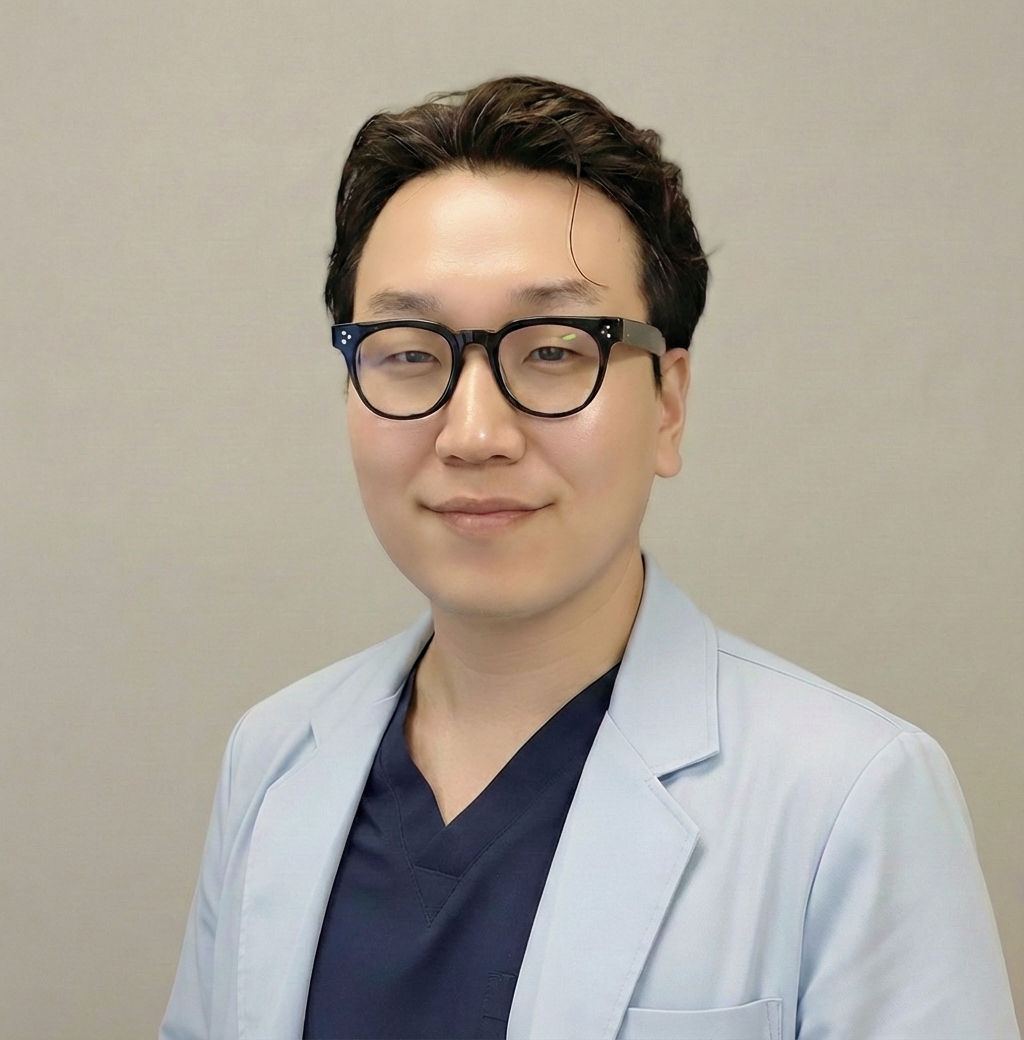
The director personally sees you from first to follow-up visits
We identify the essence through Sasang constitution, pulse and abdominal diagnosis
Treatment based on long clinical experience and evidence
Was this helpful? If you need accurate care for your condition, please contact us below.