
Tic Disorder
Tic Disorder
Involuntary repetitive movements or vocalizations
# Possibility / Realistic Goals (1)
# Comorbidities (2)
Q Why do tic disorder, ADHD, and OCD often occur together?
A. All three conditions share dysfunction in the basal ganglia–thalamus–prefrontal cortex circuit. Understanding this overlap explains why treating only tics is not enough for overall improvement.
View details →Q How should the psychological impact of tics on a child be addressed?
A. Children with tics often experience anxiety, shame, and social withdrawal due to peers reactions. Addressing both the tic symptoms and their psychological effects simultaneously is important to break the cycle.
View details →# Lifestyle Management (2)
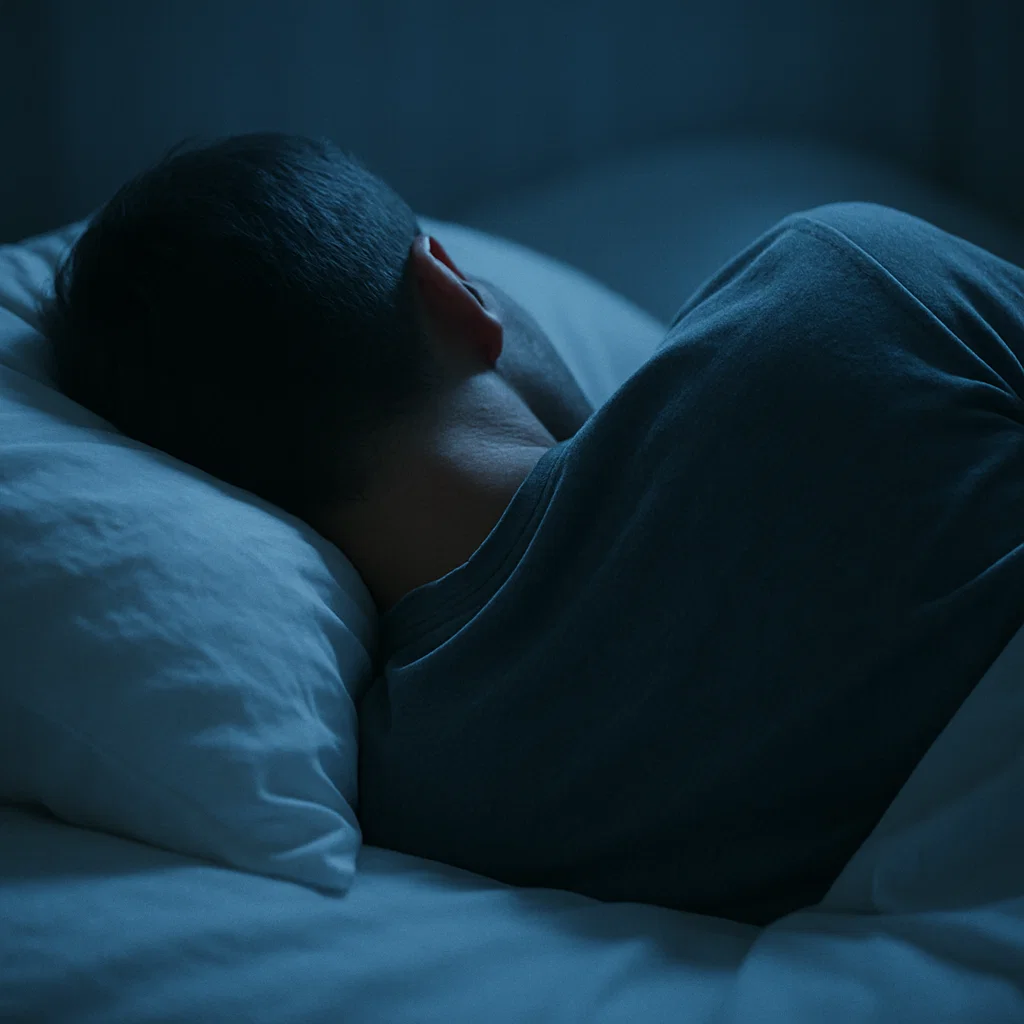
Q I've heard that insufficient sleep worsens tics — how many hours should my child sleep, and what is the best way to get them to sleep?
A. School-age children are recommended 9 to 11 hours and adolescents 8 to 10 hours of sleep. Maintaining consistent bedtime and wake-up times, and stopping screen use one hour before bed, directly helps with tic management.
View details →Q Is exercise helpful for a child with tics? I'd like to know which types of exercise are best.
A. Regular aerobic exercise improves the brain's dopamine balance and lowers stress hormones, making it beneficial for tic management. Rhythmic full-body exercises such as swimming, cycling, and running are particularly effective.
View details →# Safety (2)
Q Is acupuncture safe for children? If my child cries and refuses, should I force them to go through with it?
A. Pediatric acupuncture is performed safely with thinner needles and shorter retention times than in adults. If a child strongly refuses, treatment begins with non-needle tapping, magnet needles, or auricular acupressure, gradually building the child's tolerance through a step-by-step approach.
View details →Q I am concerned that herbal medicine might place a burden on a growing child's liver.
A. The prescriptions used at Dongjedang are tailored to children by adjusting the dosage and ingredients. The safety of pediatric herbal medicine treatment is backed by thousands of years of clinical experience and modern toxicology research, and we always verify the child's weight, constitution, and underlying conditions before prescribing.
View details →# Drug Combination / Interactions (1)
# Prognosis / Recovery (2)
Q My child is in second grade and tics have just started. Will they go away naturally as they grow older?
A. Tic disorder most often improves or resolves as the child passes through puberty. Approximately 70 to 80 percent of children see symptoms greatly reduced or disappear as they enter adulthood, and early appropriate management leads to a better prognosis.
View details →Q I still have tics now as an adult — is treatment still effective in adulthood?
A. Treatment is effective for adult tics as well. Rather than complete resolution, realistic goals are set around reducing frequency and intensity, improving self-awareness, and decreasing social discomfort. Combining behavioral intervention (CBIT) with Korean medicine treatment leads to meaningful improvements in quality of life.
View details →# Causes Explained (2)
Q My child suddenly started blinking repeatedly and shrugging their shoulders — could this be a tic disorder?
A. Tic disorder is a condition in which muscles move or sounds are produced repeatedly, involuntarily, and independent of the person's will. It is divided into motor tics such as eye blinking and shoulder shrugging, and vocal tics such as sniffling, and is most commonly seen in school-age children.
View details →Q Why do tics occur? What is actually happening in the brain?
A. The core mechanism is that dopamine signaling in the brain's basal ganglia becomes overactivated, weakening motor inhibition. Genetic predisposition combined with environmental factors such as stress and infections triggers the symptoms.
View details →# Food / Triggers (2)
Q Are there specific foods that worsen tics? I wonder whether the snacks and beverages my child loves are having an effect.
A. Foods high in additives such as caffeine, artificial colorings, artificial sweeteners, and MSG can increase nervous system excitability and worsen tics. Conversely, a diet centered on magnesium, omega-3 fatty acids, and complex carbohydrates supports neurological stability.
View details →Q We live in Dong-gu, Incheon, and my child's tics seem to get much worse when playing video games or watching YouTube.
A. Screen stimulation such as games and videos is a representative environmental trigger for tics because it strongly activates the brain's dopamine system. Limiting screen time to one to two hours per day and ensuring outdoor activity and regular sleep should be the first priority.
View details →# Treatment Schedule (1)
# Treatment Stages (2)
Q How does the process of receiving tic treatment at a Korean medicine clinic unfold? I'm curious about what happens during the very first visit.
A. At the first consultation, the practitioner assesses constitution, Liver-Gallbladder condition, and stress level, and records tic type and frequency. The following one to two months constitute an intensive treatment phase, during which acupuncture and herbal decoctions are used to regulate Liver Wind and Heart-Gallbladder Deficiency.
View details →Q After three months of treatment, my child's tics have reduced greatly — how long should we continue treatment?
A. Once tics have decreased by 50 percent or more, treatment transitions to a maintenance phase with reduced visit frequency and intermittent use of herbal decoctions. Short intensive treatment periods are repeated before and after stressful events such as exams and school transitions to manage recurrence.
View details →# Effectiveness (1)
Tic Disorder is not just a simple symptom
Korean medicine that considers both your constitution and lifestyle rhythm treats the root cause.
From consultation to precise treatment, we provide personalized care.
Prescriptions tailored to your constitution and symptoms treat the root cause
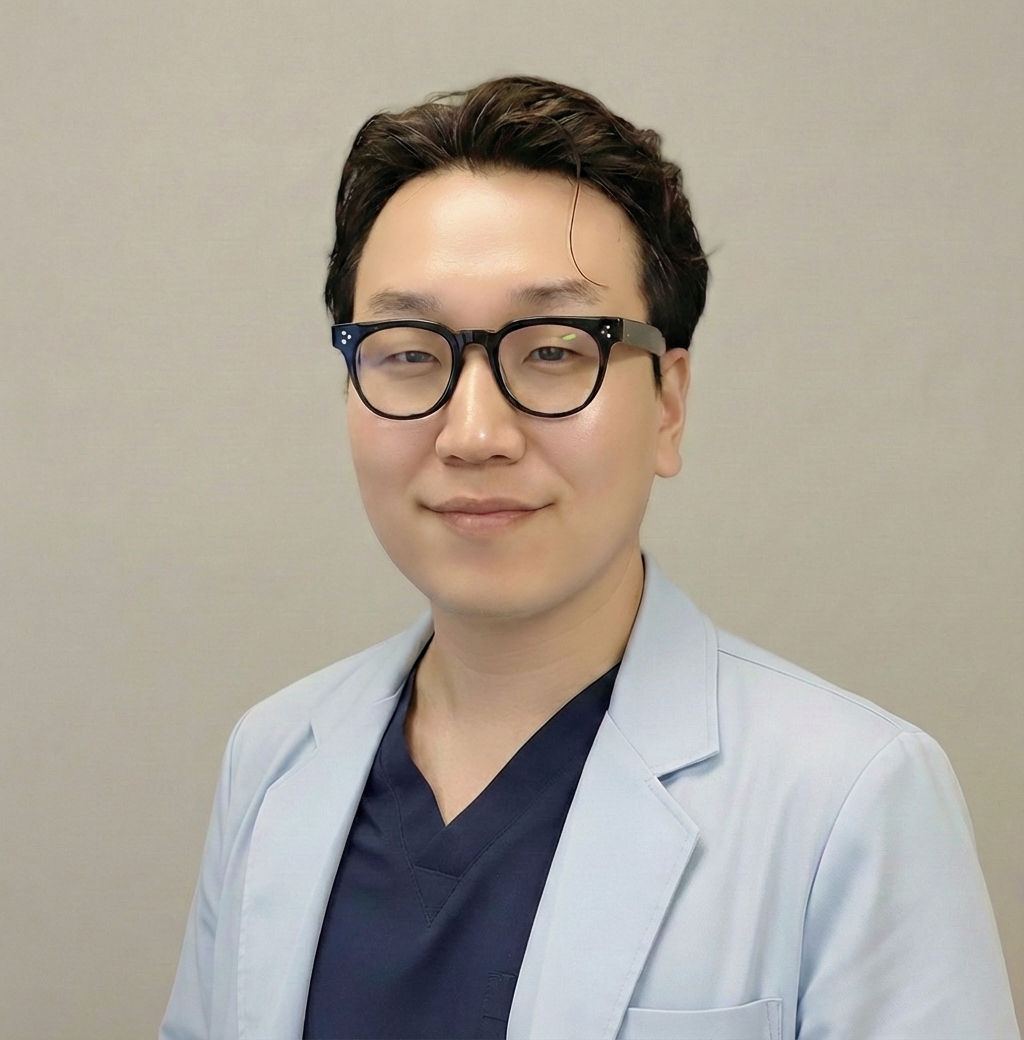
The director personally sees you from first to follow-up visits
We identify the essence through Sasang constitution, pulse and abdominal diagnosis
Treatment based on long clinical experience and evidence
Was this helpful? If you need accurate care for your condition, please contact us below.