

Q I am a 49-year-old female caregiver. I feel better after treatment, but the pain returns after a few months. Is chronic low back pain a condition that recurs repeatedly throughout one's life?
A While recurrence is common in chronic low back pain, it is not a fate that repeats for a lifetime. The primary cause of recurrence lies in ending treatment after only reducing pain, without correcting weakened deep muscles or the load of daily activities. Even after pain subsides, undergoing stages of muscle strength recovery and correcting the underlying cause can significantly reduce the frequency and severity of recurrence.
Detailed Answer
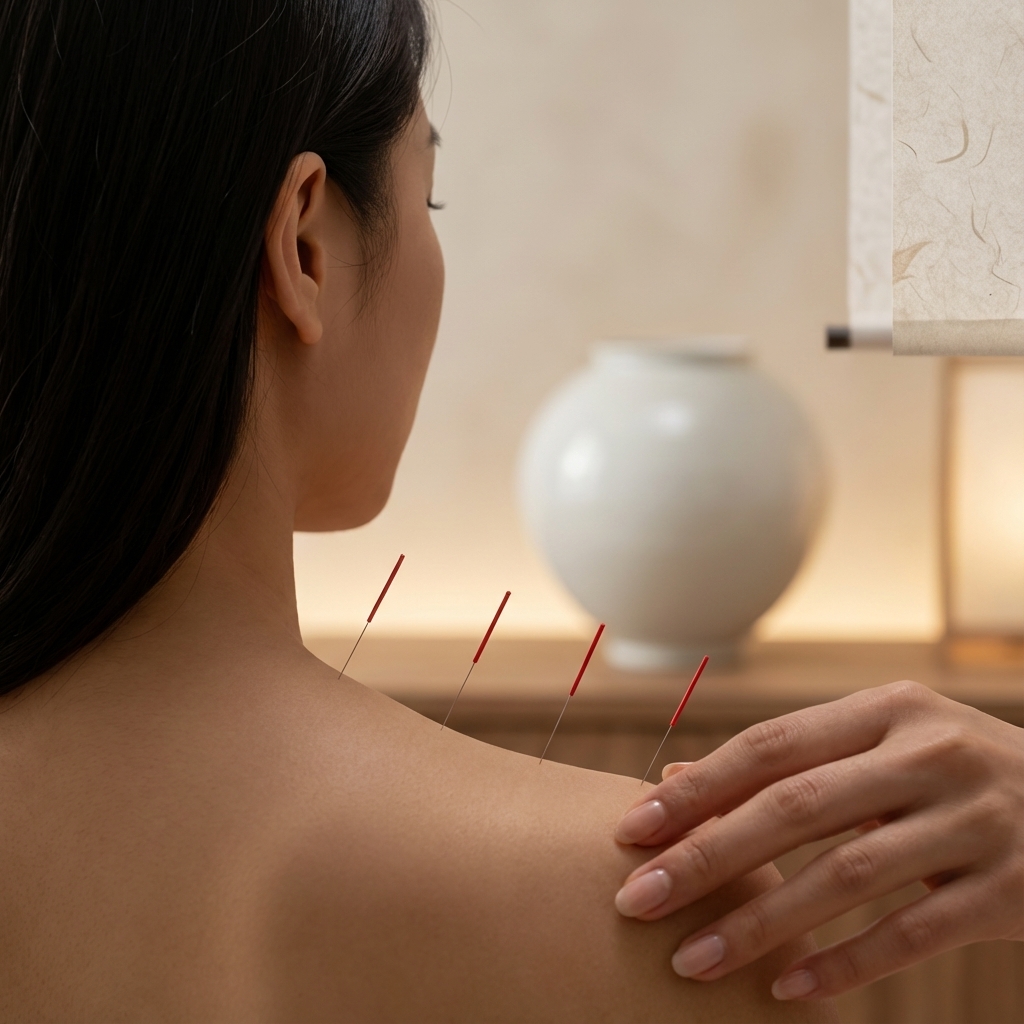
Although the recurrence rate of low back pain within one year is reported to be as high as 30–70%, this is mostly because treatment is stopped once the pain disappears. Even without pain, multifidus muscle atrophy and motor control abnormalities persist for several more months, and this gap becomes fertile ground for recurrence. Exercise therapy, including core stabilization exercises, is the most well-proven method for preventing recurrence. For physically demanding jobs such as nursing care that involve lifting patients, movement correction and the use of assistive devices must go hand in hand. From the Perspective of a Korean Medicine Clinic: Korean medicine interprets recurrence as a state where the body's resistance has not been restored—that is, a state lacking the foundation to withstand external stimuli. Even if the branch of pain is pruned, if the root of kidney deficiency and the soil of blood stasis and dampness remain, it will grow back all at once due to overwork. In particular, for those who continuously deplete kidney energy and vital energy through caregiving labor, treatment without reinforcement is likely to become a mere stopgap measure. Dongjedang's treatment structure involves clearing blockages with acupuncture, moxibustion, and pharmacopuncture during the painful phase; once the pain subsides, strengthening ligaments with thread embedding to create structural support; and finally, finishing with constitution-tailored herbal medicine that empties accumulated blood stasis and dampness to replenish the energy of the liver and kidneys. This is because it is believed that a state free from recurrence can only be achieved by restoring both Qi and blood circulation and organ functions, rather than merely addressing local symptoms.
Related FAQs
-
Q
I am a 58-year-old male. I have been advised to have spinal surgery, but I am scared and hesitant. In what cases is it possible to manage the condition with Korean medicine treatment without surgery?
#Possibility / Realistic Goals
-
Q
I am a 67-year-old woman who has had back pain for 20 years. At this age, can such long-standing pain be treated and improved? Is it too late?
#Possibility / Realistic Goals
-
Q
I am a 45-year-old female academy instructor. I have chronic lower back pain and numbness in my legs. As the pain has persisted, I have also developed depression and insomnia. Do you address these issues as well?
#Comorbidities
-
Q
I am a 52-year-old male civil servant. There is conflicting information regarding whether walking or swimming is good for the back; what exercise is actually helpful for chronic lower back pain?
#Lifestyle Management
-
Q
I am a 40-year-old female nurse. My lower back hurts the most when I wake up. Do sleeping positions or mattresses affect chronic lower back pain? How should I sleep?
#Lifestyle Management