
Q I am a housewife in my 50s living in Dongincheon. I underwent a nerve block for laryngeal neuralgia, but it has recurred. Would treatment at a Korean medicine clinic be effective?
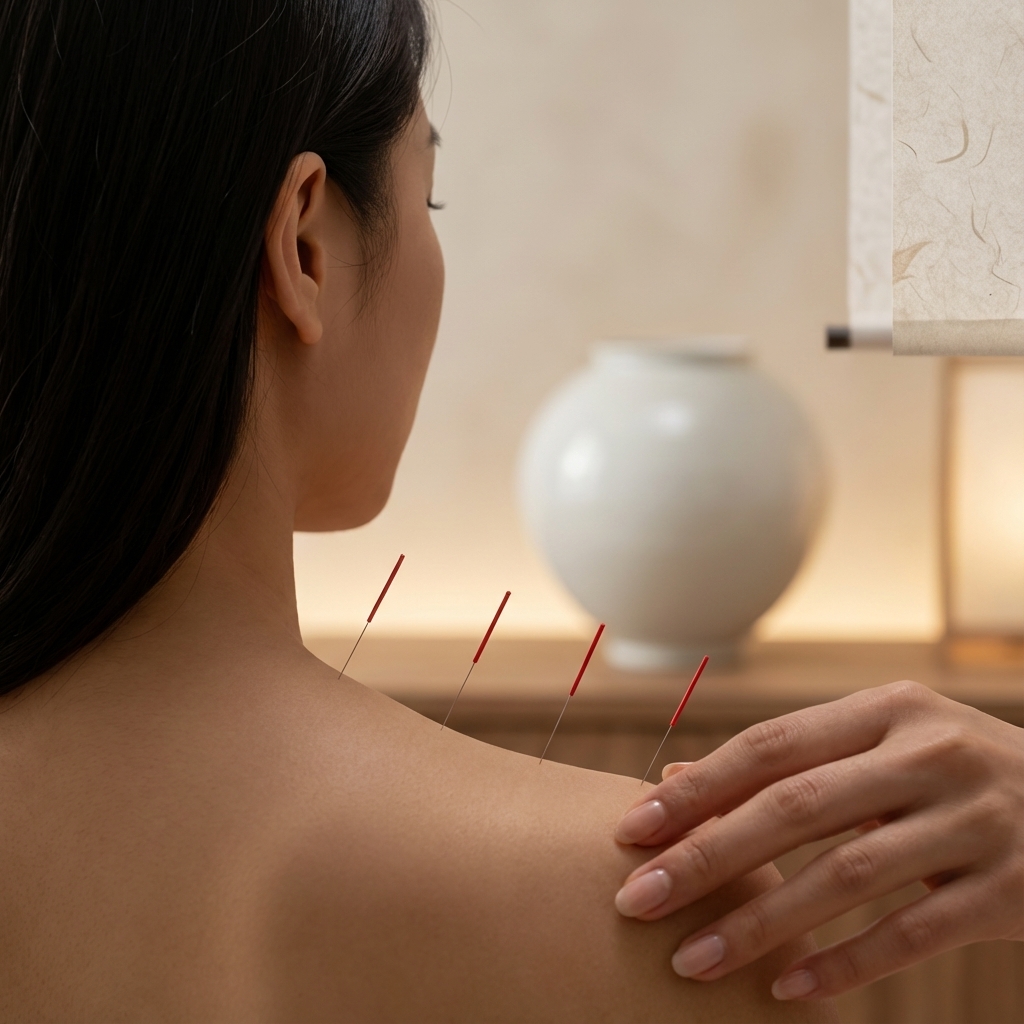
A While nerve blocks are effective for temporary pain relief, recurrence is frequent if the underlying causes—fascial adhesions or joint dysfunction—remain. Treatment at a Korean medicine clinic focuses on resolving the root cause of nerve compression itself using moxibustion, acupuncture, and pharmacopuncture. In fact, many patients who experienced a recurrence after a nerve block see long-term improvement through Korean medicine treatment. The core goals are correcting the root cause and preventing recurrence.
Detailed Answer
While nerve blocks (steroid and local anesthetic injections) have the advantage of rapidly reducing inflammation and pain, pain will recur within weeks to months if fascial adhesions, ligament laxity, or cervical joint dysfunction around the greater laryngeal nerve are not corrected. In this case, Korean medicine approaches treatment by directly dissecting adhered fascia with needles, improving the local inflammatory environment with pharmacopuncture, and correcting systemic circulation with herbal medicine tailored to the patient's constitution to extend the recurrence cycle. From a Korean medical perspective, recurrent laryngeal neuralgia manifests as the repeated invasion of cold energy or blood stasis while the body's defenses are weakened. If the energy of the kidneys and bladder is not supported, the qi and blood pathways become vulnerable to external stimuli, leading to rapid recurrence even after treatment. At Dongjedang, we resolve structural adhesions using micro-blade needles and herbal threads, and then strengthen the immune foundation by reinforcing kidney and bladder function with herbal medicine tailored to the patient's condition. To prevent repeated recurrence, we also implement a management program for a certain period after the completion of treatment.
Related FAQs
-
Q
The MRI showed no abnormalities, but the back of my head hurts so much. Is this occipital neuralgia? Is treatment worthwhile?
#Possibility / Realistic Goals
-
Q
The neurology department recommended surgery, but I am very scared. Can this be resolved with Korean medicine treatment without surgery?
#Possibility / Realistic Goals
-
Q
I have both occipital neuralgia and migraines. Can both be treated together?
#Comorbidities
-
Q
I have occipital neuralgia, and it hurts more after I sleep. Is it related to my pillow or sleeping position?
#Lifestyle Management
-
Q
Is it okay to do stretching or exercise during treatment for occipital neuralgia? What kind of exercises are helpful?
#Lifestyle Management