

Q I am a 52-year-old housewife who wants to stop taking Gabapentin because the side effects (dizziness and drowsiness) are severe. Can I manage the pain with only Korean traditional medicine treatment?
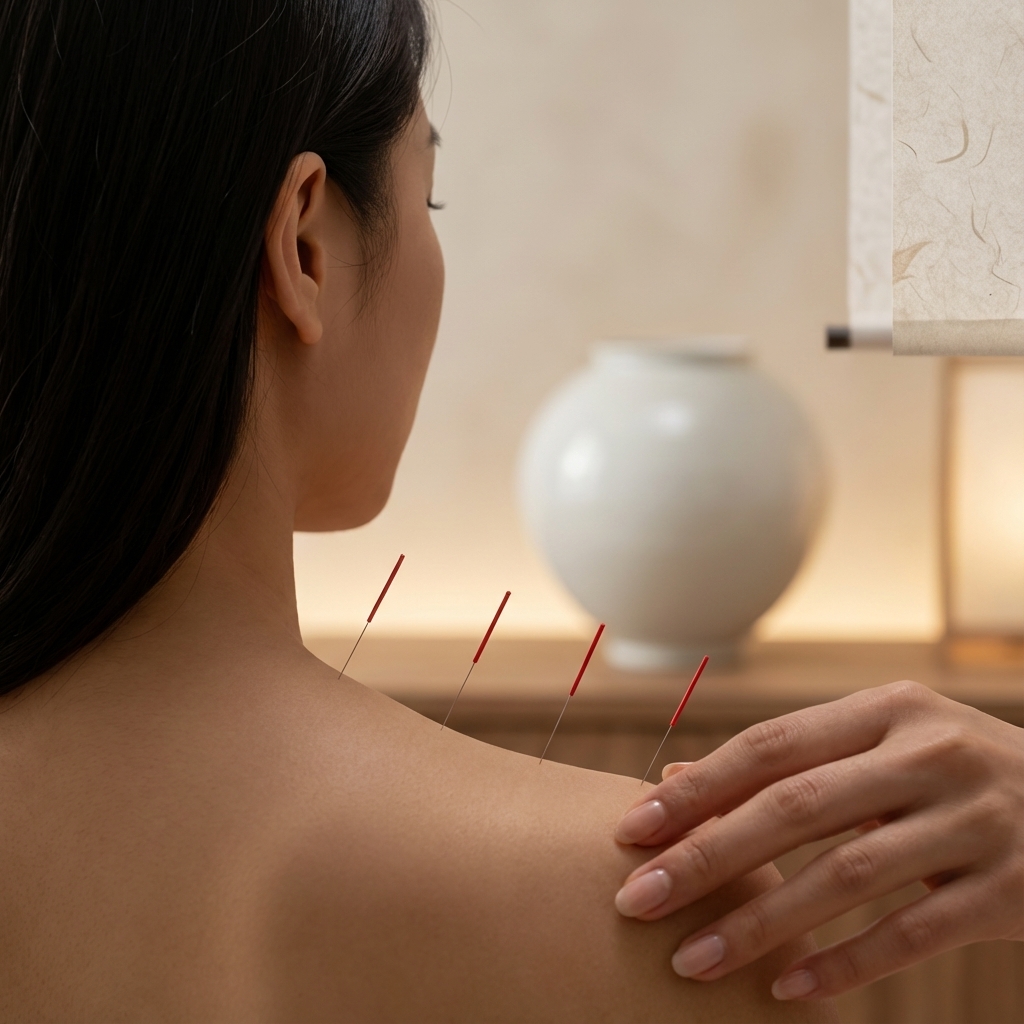
A If the side effects of Gabapentin are severe, it is recommended that you first consult with your doctor to reduce the dosage or switch to an alternative medication. It is more realistic to use Korean traditional medicine in conjunction with the medication to reduce dependence rather than to completely replace it. If the pain intensity is moderate or lower, it may be possible to maintain the condition to some extent using acupuncture and pharmacopuncture; however, since individual differences are significant, it is safer to establish a gradual dosage reduction plan with a doctor or a Korean medicine practitioner.
Detailed Answer
The dizziness and drowsiness side effects of Gabapentin are dose-dependent, so they are often alleviated by gradually reducing the dosage or adjusting to a single dose taken before bedtime. Since complete discontinuation can cause withdrawal symptoms (anxiety and seizures), you must reduce the dosage over 4 to 8 weeks under the guidance of a doctor. As an alternative, you can switch to lidocaine patches (which have few local or systemic side effects) or high-concentration capsaicin patches (8%). If PHN pain is rated VAS 7 or higher, enduring the pain without medication can place a significant burden on sleep and psychological health. At Dongjedang, we develop a plan with those struggling with medication side effects, aiming for a "gradual reduction" rather than "immediately stopping the medication." Many patients experience a natural decrease in required medication dosage as their pain threshold is raised through acupuncture or pharmacopuncture. From a Korean medicine perspective, as blood stasis and qi stagnation are resolved, abnormal excitation signals in the meridians decrease, bringing the patient closer to a state where they can endure the pain without medication. Sharing and collaborating with your attending internal medicine or neurology specialist is the safest approach.
Related FAQs
-
Q
I am a 39-year-old delivery driver whose whole body aches, and I am unable to work because even the slightest touch of my collar causes pain. Will I be able to return to work after treatment?
#Possibility / Realistic Goals
-
Q
I am a 59-year-old self-employed individual. Since my pain has been long-standing, I feel depressed and anxious, so I am also taking medication from a psychiatric clinic. Is it okay to combine this with traditional Korean medicine treatment?
#Comorbidities
-
Q
I am a 56-year-old housewife who cannot sleep at night due to pain. Are there any lifestyle management tips to improve my sleep?
#Lifestyle Management
-
Q
I am a 42-year-old delivery driver, and the pain gets much worse when exposed to wind or cold air. How should I manage this?
#Lifestyle Management
-
Q
My 73-year-old mother has hypertension and osteoporosis. Is acupuncture or pharmacopuncture safe for her?
#Safety