
Q I am a housewife in my 40s. I have never even played tennis, but the doctor told me I have tennis elbow. Why on earth did this happen?
A Contrary to its name, more than 90% of patients with tennis elbow (lateral epicondylitis) have nothing to do with tennis. It occurs when household chores involving repetitive wrist extension and twisting movements—such as washing dishes, wringing out rags, and carrying shopping bags—accumulate micro-damage to the tendons on the outside of the elbow. It is most common among housewives and those in occupations that involve heavy use of their hands.
Detailed Answer
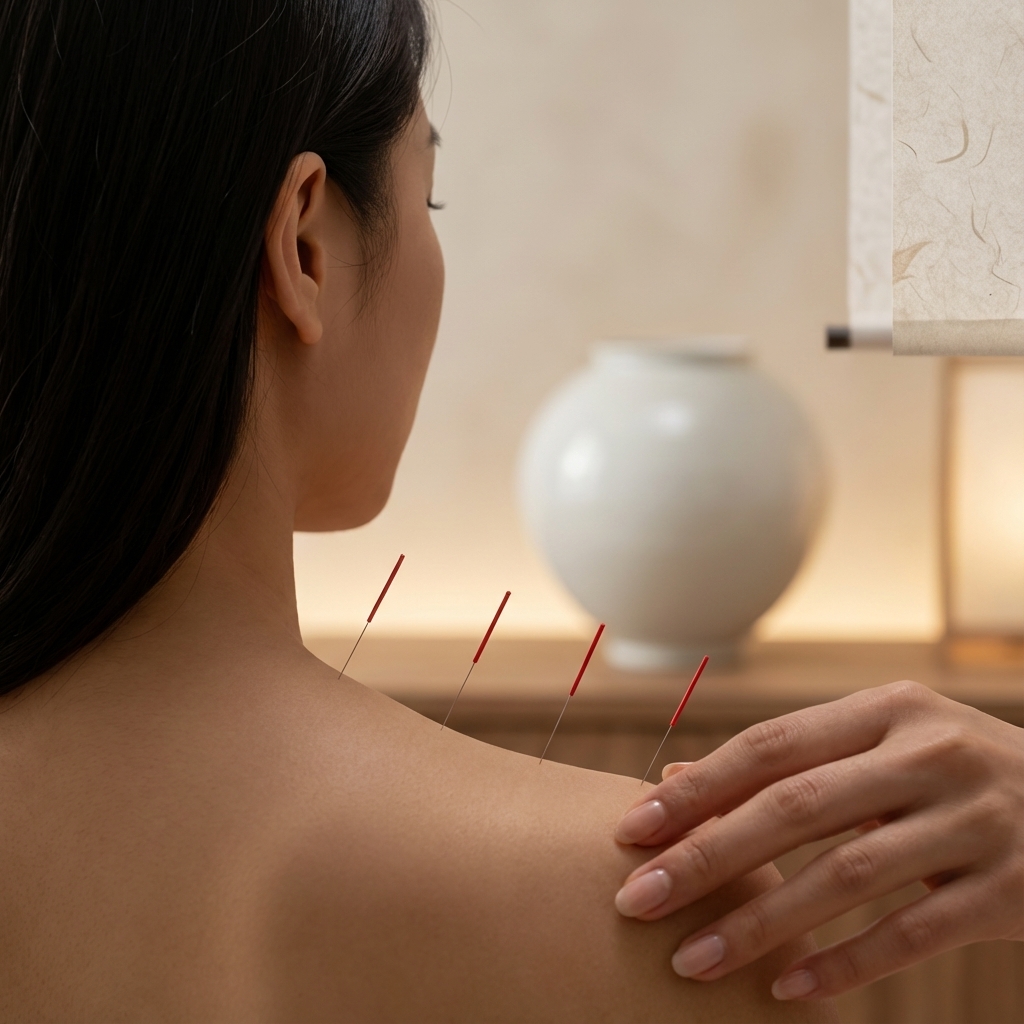
The formal name for tennis elbow is lateral epicondylitis. It is a degenerative change in the wrist extensor tendons that attach to the protruding bone on the outside of the elbow (lateral epicondyle), specifically at the origin of the extensor carpi radialis brevis (ECRB). While it was previously viewed as inflammation, recent studies understand it as tendinosis resulting from the accumulation of micro-tears caused by repetitive use and incomplete healing. Repetitive movements such as bending the wrist upward or gripping and twisting objects cause micro-damage to accumulate in the tendons. As the recovery rate fails to keep up with the rate of damage, pain becomes chronic. This is why it is much more common among housewives, cooks, hairdressers, and computer workers who have never held a racket. From the Perspective of a Korean Medicine Clinic: In Korean medicine, this is viewed as a state where muscles and tendons are weakened due to a lack of proper nourishment from Qi and blood. Since the liver governs tendon health, the liver's blood must be sufficiently nourished for tendons to remain strong. Additionally, the digestive and absorptive functions of the spleen support muscle recovery. If liver blood is depleted and spleen function declines due to housework and overwork, tendons fail to recover even with the same tasks, leading to accumulated damage. Pain is more pronounced on the outer side of the elbow, as this area is prone to blockages in Qi and blood. At Dongjedang, we do not focus solely on the painful elbow; instead, we use ultrasound to assess the extent of tendon damage. We concentrate on releasing adhesions and strengthening ligaments through external treatments such as acupuncture and moxibustion, while simultaneously clearing accumulated blood stasis and dampness from the body to restore a nourishment for the tendons. To prevent recurrence, local treatment and systemic recovery must go hand in hand.
Related FAQs
-
Q
I am a self-employed man in my 50s. The orthopedic clinic even mentioned surgery, but is there really a possibility of recovery through Korean medicine treatment without surgery?
#Possibility / Realistic Goals
-
Q
I am a woman in my 40s who runs a small workshop in Dong-gu, Incheon. I have received steroid injections three times, but the effect is only temporary and the condition keeps recurring. Can this case also be improved with Korean traditional medicine treatment?
#Possibility / Realistic Goals
-
Q
I am a male developer in my 40s. I was diagnosed with tennis elbow, but my neck and shoulders are also constantly stiff. Are they related, or did they develop separately?
#Comorbidities
-
Q
I am a male office worker in my 50s. Please tell me about stretches or exercises that are good for tennis elbow. Something I can do at home every day.
#Lifestyle Management
-
Q
I am a woman in my 30s who runs a cafe. Is ice packs or hot packs better for tennis elbow? I am confused because the information on the internet is inconsistent.
#Lifestyle Management