
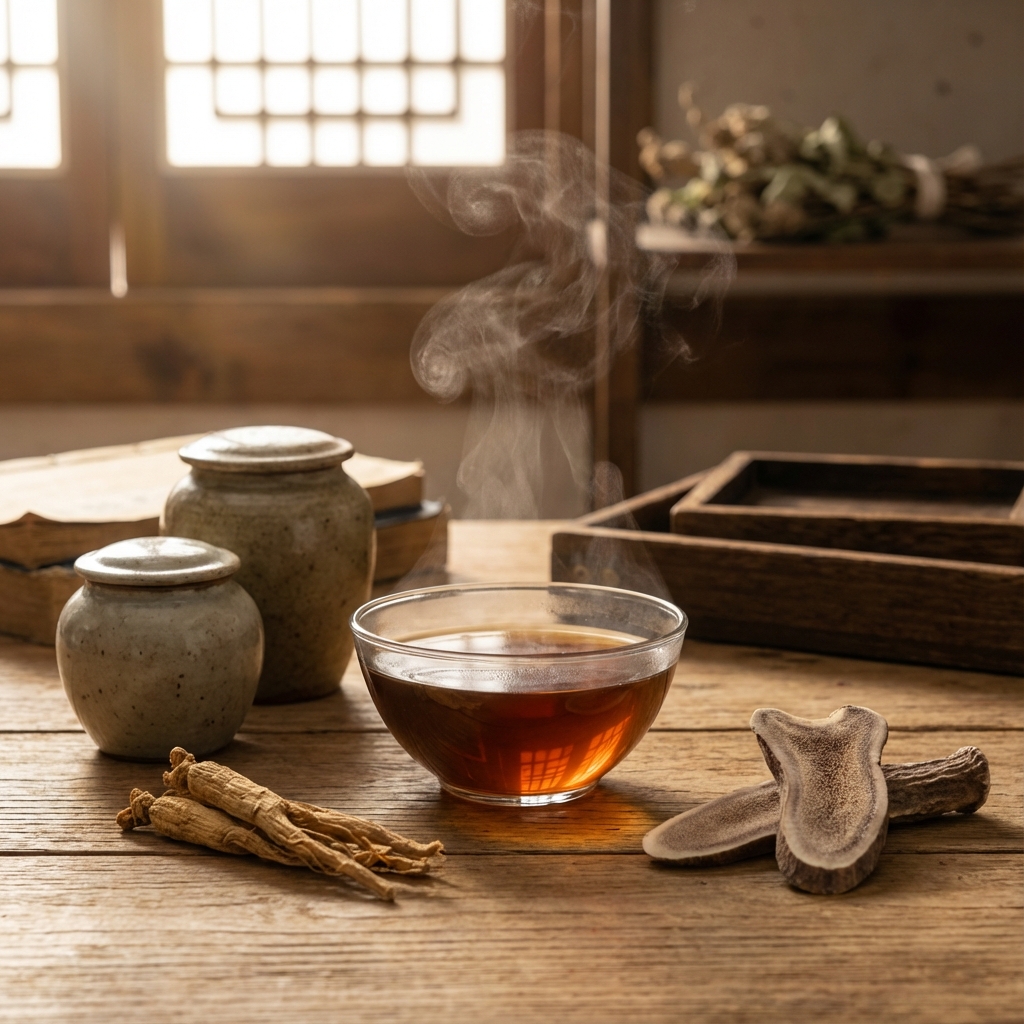
Post-Cesarean Recovery
Post-Cesarean Recovery
Supports postpartum recovery and afterpains following a C-section.
# Possibility / Realistic Goals (2)
Q If I take postpartum herbal medicine, can I really go back to my pre-pregnancy body? Please be honest.
A. The realistic goal isn't returning to exactly the same body as before pregnancy, but bringing your currently depleted postpartum state up to a healthy condition. Recovery is greater and lasts longer when combined with sufficient rest and nutrition, and if you're breastfeeding, we proceed while maintaining safety.
View details →Q I'm not breastfeeding — does that mean I can take postpartum recovery herbal medicine more freely?
A. If you're not breastfeeding, there's no breastfeeding-safety restriction, so prescriptions can focus more directly on recovery. However, your postpartum condition, current medications, and any underlying conditions still need to be considered, so it's safest to confirm through a visit and get a prescription tailored to you.
View details →# Comorbidities (1)
# Lifestyle Management (2)
Q When can I start moving around and doing housework or exercise after a C-section? I'm confused about whether I need to stay lying down.
A. Light walking from the day after surgery helps recovery and prevents blood clots. However, lifting heavy things or exercise that engages the abdominal muscles should wait until the incision has healed, a few weeks later. Put off strenuous housework, and rest if pain is significant.
View details →Q I can't sleep at all because of nighttime feedings and my mood keeps dropping. What should I do to recover?
A. Rest whenever your baby sleeps, even in fragments, and actively accept help from those around you — this matters for recovery. If your mood is very low or persists for more than 2 weeks, this could be postpartum depression and needs professional support.
View details →# Safety (2)
Q If I take postpartum herbal medicine while breastfeeding, could it harm my baby through breast milk?
A. Because herbal medicine components while breastfeeding may pass into breast milk, you must always disclose that you're breastfeeding and consult before taking it. We prescribe in a safe direction considering your breastfeeding status and your baby's condition; avoid self-medicating, and confirming through a visit is the safety fundamental.
View details →Q I'm at home recovering after a C-section — what symptoms mean I should go to the hospital right away?
A. If you have a fever of 38°C or higher, redness/discharge/opening of the surgical incision, sudden heavy bleeding, foul-smelling lochia, severe abdominal pain, swelling and pain in one leg (possible blood clot), or shortness of breath/chest pain, go to your OB-GYN without delay.
View details →# Drug Combination / Interactions (1)
# Prognosis / Recovery (2)
Q How long does it usually take for the body to recover after a C-section?
A. The incision usually heals over several weeks, and overall postpartum recovery takes 6 weeks to several months. Recovery is slower and depletion greater than with vaginal delivery, so patience and steadily replenishing qi and blood matters more than rushing. Individual differences are significant.
View details →Q I had my second C-section and recovery is much slower than the first time. Can such long-accumulated postpartum depletion still recover?
A. Recovery can be slower with each birth, and especially when overlapping with caring for an older child. Depletion that has never fully resolved can still be recovered from — steadily replenishing lost qi and blood and rebuilding your daily rhythm often brings your condition back.
View details →# Causes Explained (2)
Q I don't feel like my body is recovering after a C-section. Between the afterpains, lochia, and the incision, why is this so hard?
A. A C-section combines childbirth recovery with recovery from abdominal surgery. Afterpains (uterine contraction pain), lochia (postpartum discharge), the surgical incision, and the drain of breastfeeding all add up, so it's common to feel a major drop in energy.
View details →Q How long does lochia last? I still have afterpains too — is this normal?
A. Lochia usually changes from red to gradually clearer, lighter discharge over several weeks. Afterpains also ease gradually as the uterus recovers. However, if lochia suddenly turns bright red again, increases in amount, or is accompanied by a foul odor or fever, see an OB-GYN.
View details →# Food / Triggers (2)
Q What's good to eat for C-section recovery? I'm breastfeeding, so I'm also mindful of what I eat.
A. A balanced diet with enough protein, iron, and fluids helps both recovery and breastfeeding. Right after surgery, start with soft foods once gas has passed. While breastfeeding, avoid excess caffeine and alcohol, and adjust spicy or irritating foods based on your baby's reaction.
View details →Q I heard you should avoid cold food postpartum — is that really true? What should I be careful about for recovery?
A. Staying warm rather than eating cold food or being exposed to cold drafts is more comfortable for postpartum recovery. Avoid greasy and irritating foods that burden digestion, excessive alcohol, and skipping meals — warm soups, balanced meals, and enough fluids help.
View details →# Treatment Schedule (1)
# Treatment Stages (1)
# Effectiveness (2)
Q Does postpartum herbal medicine really help recovery? Isn't seaweed soup and rest enough?
A. It's true that resting well and eating well is the foundation of postpartum care. But a C-section causes major depletion that can be hard to replenish on your own, so herbal medicine that restores greatly depleted qi and blood and supports digestion and circulation can be helpful. If you're breastfeeding, you must discuss this with your doctor first.
View details →Q Since giving birth, my body doesn't feel like it used to, and I feel cold and achy all over. Tests show nothing wrong — can symptoms like this still improve?
A. Feeling cold, achy, and drained after childbirth even when tests are normal is common. These functional postpartum symptoms, which appear after major depletion, are an area where recovery care that replenishes qi and blood and supports circulation can help.
View details →Post-Cesarean Recovery is not just a simple symptom
Korean medicine that considers both your constitution and lifestyle rhythm treats the root cause.
From consultation to precise treatment, we provide personalized care.
Prescriptions tailored to your constitution and symptoms treat the root cause
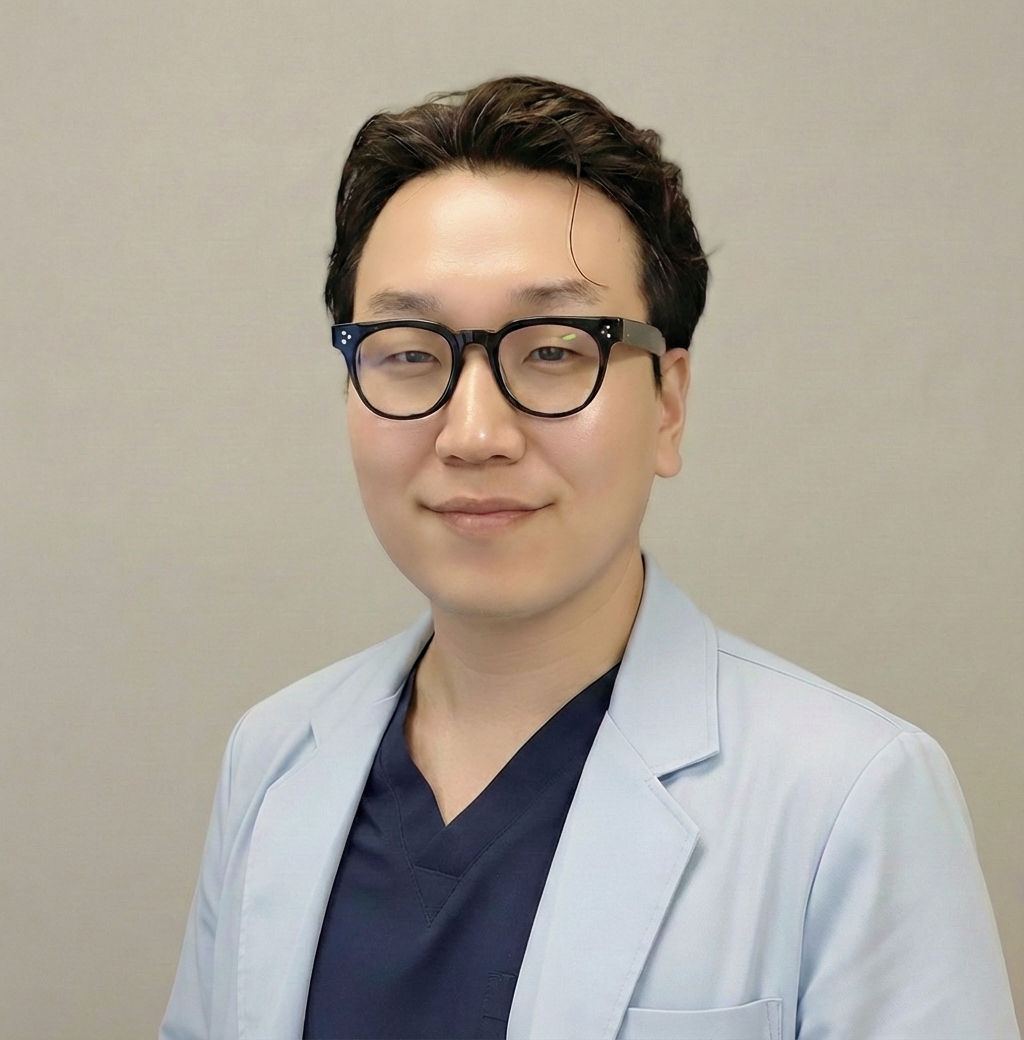
The director personally sees you from first to follow-up visits
We identify the essence through Sasang constitution, pulse and abdominal diagnosis
Treatment based on long clinical experience and evidence
Was this helpful? If you need accurate care for your condition, please contact us below.