

Uterine Fibroids
Uterine Fibroids
Non-cancerous growths in the uterus causing pain and heavy periods
# Possibility / Realistic Goals (1)
# Comorbidities (2)
Q I was diagnosed with both uterine fibroids and endometriosis. Can both be managed with Korean medicine?
A. Uterine fibroids and endometriosis share a common background of blood stasis and hormonal imbalance, so they can be approached together with Korean medicine treatment. Overlapping symptoms such as menstrual pain and heavy menstruation are also managed at the same time.
View details →Q Maybe because of uterine fibroids, I urinate frequently and my constipation has gotten worse. Will these symptoms improve too?
A. An enlarged fibroid can press on the bladder and rectum, causing frequent urination and constipation. While change in the fibroid size itself is hard to expect from Korean medicine alone, improving pelvic blood flow and relieving tension around the uterus can sometimes ease the pressure symptoms.
View details →# Lifestyle Management (2)
Q Is there anything I should be especially careful about in daily life while I have uterine fibroids? The coldness in my lower abdomen worries me.
A. Keeping your lower abdomen warm is important. Reduce cold foods and drinks, and warm your lower abdomen with sitz baths or hot packs. It is also good to avoid extreme dieting and severe stress.
View details →Q Can I exercise even though I have uterine fibroids? What kind of exercise helps?
A. Light aerobic exercise is recommended because it helps blood circulation and is good for weight management. However, avoid heavy weightlifting or high-intensity ab workouts that suddenly raise abdominal pressure, and choose low-impact exercises such as walking, yoga, and swimming.
View details →# Safety (2)
Q Won't the herbal medicine used for uterine fibroids irritate the uterus? I'm worried about whether it's safe.
A. The herbal medicine used for uterine fibroids centers on formulas that resolve blood stasis and warm the uterus. Since it is prescribed after examining your symptoms and constitution, it can be carried out safely without irritating the uterus.
View details →Q I have uterine fibroids. What should I do if I suddenly have severe abdominal pain or a fever? Is it a dangerous situation?
A. Sudden severe abdominal pain with fever is an emergency sign that may indicate fibroid degeneration (necrosis) or torsion. In such cases, do not delay and seek emergency gynecological care immediately.
View details →# Drug Combination / Interactions (1)
# Prognosis / Recovery (2)
Q My menstrual flow is so heavy because of uterine fibroids that I've even developed anemia. Can Korean medicine treatment normalize my periods?
A. Heavy menstruation is one of the symptoms that tends to respond relatively well to Korean medicine treatment. It varies with the size and location of the fibroid, but many people experience reduced bleeding when blood stasis is cleared and uterine function is restored. Severe anemia needs to be managed together with your gynecologist.
View details →Q If I have uterine fibroids, do I need to keep managing them until menopause? How will they progress from now on?
A. Since uterine fibroids grow by depending on estrogen, most shrink or become symptom-free after menopause. Until menopause, it is recommended to track size changes with regular ultrasound and to manage symptoms at the appropriate time if they occur.
View details →# Causes Explained (2)
Q Why do uterine fibroids develop? I'm in my mid-30s and can't understand why I got this condition.
A. Uterine fibroids are benign tumors that form in the smooth muscle of the uterus, and they are common in women of childbearing age who produce high levels of estrogen. They develop through a combination of genetic predisposition, hormonal imbalance, and lifestyle factors, and are found in about 1 in 5 women in their 30s and 40s.
View details →Q I heard estrogen is related to uterine fibroids. What exactly is the connection?
A. Uterine fibroid cells have more estrogen receptors than normal uterine cells, so they respond more strongly to estrogen stimulation and grow. That is why they tend to develop in the 30s and 40s when menstrual cycles are active, and they tend to enlarge during pregnancy, obesity, or states of estrogen excess.
View details →# Food / Triggers (2)
Q Are there specific foods that are bad for uterine fibroids? I heard soy is an estrogen food that should be avoided.
A. Red meat, processed meat, trans fats, and alcohol are known to be unfavorable for uterine fibroids. The plant estrogen in soy actually has a regulating effect on the body's estrogen, so small amounts are fine. A diet centered on vegetables, fruits, and whole grains is recommended.
View details →Q I have a lot of stress and my lower abdomen is always cold. Could this make uterine fibroids worse?
A. Stress can disrupt hormonal balance and affect the environment in which fibroids grow. Coldness in the lower abdomen reduces uterine blood circulation and creates conditions where blood stasis accumulates easily, so it is good to manage it.
View details →# Treatment Schedule (1)
# Treatment Stages (2)
Q What is the order of treatment if I receive uterine fibroid care at a Korean medicine clinic?
A. At the first consultation, we assess your constitution, symptoms, and fibroid condition, and prescribe a decoction suited to the degree of blood stasis and coldness. We combine acupuncture, large moxibustion, and vaginal steam therapy, adjusting the prescription while observing changes in your menstrual cycle.
View details →Q How long does uterine fibroid treatment usually take before results appear?
A. Symptom relief usually begins to be felt within 1 to 2 months, while fundamental improvement of the uterine environment is targeted over 3 to 6 months. There are individual differences depending on fibroid size and symptom severity.
View details →# Effectiveness (1)
Uterine Fibroids is not just a simple symptom
Korean medicine that considers both your constitution and lifestyle rhythm treats the root cause.
From consultation to precise treatment, we provide personalized care.
Prescriptions tailored to your constitution and symptoms treat the root cause
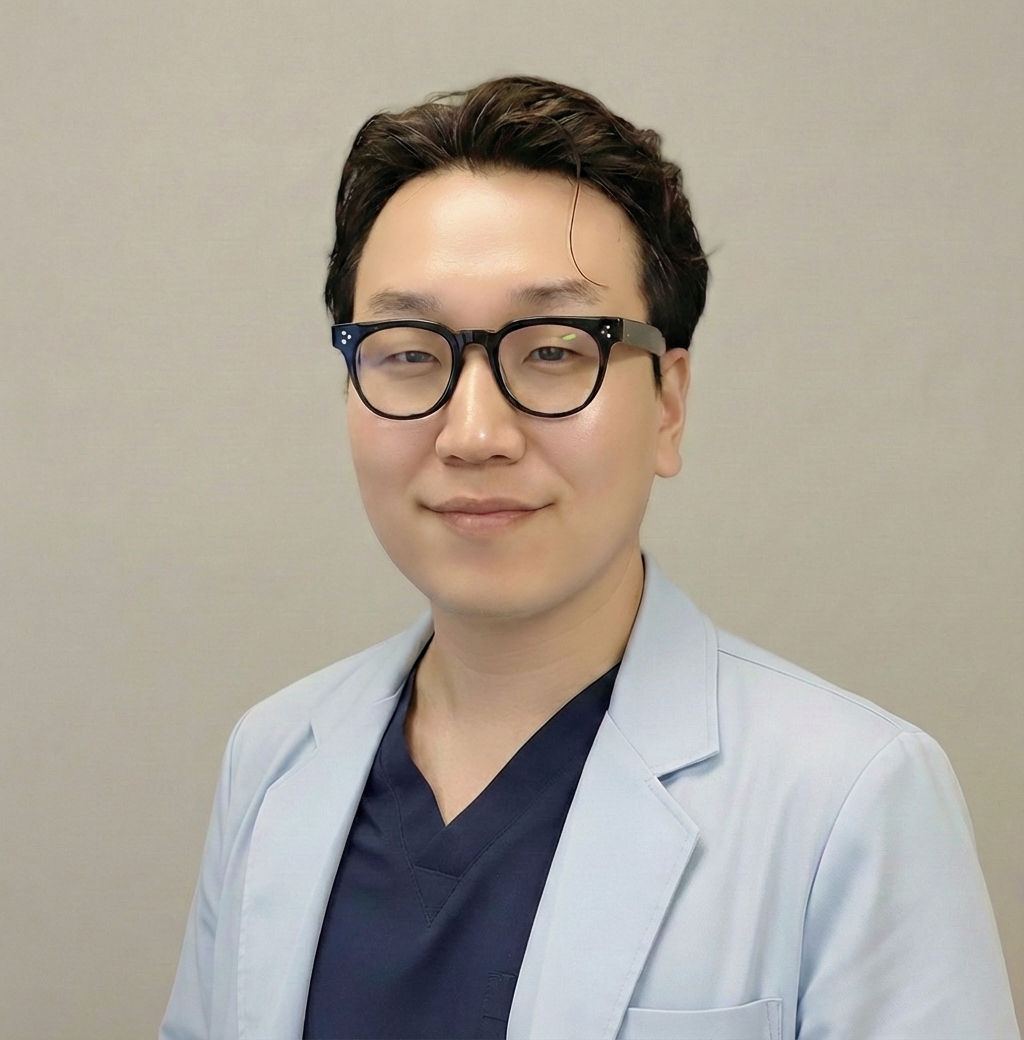
The director personally sees you from first to follow-up visits
We identify the essence through Sasang constitution, pulse and abdominal diagnosis
Treatment based on long clinical experience and evidence
Was this helpful? If you need accurate care for your condition, please contact us below.