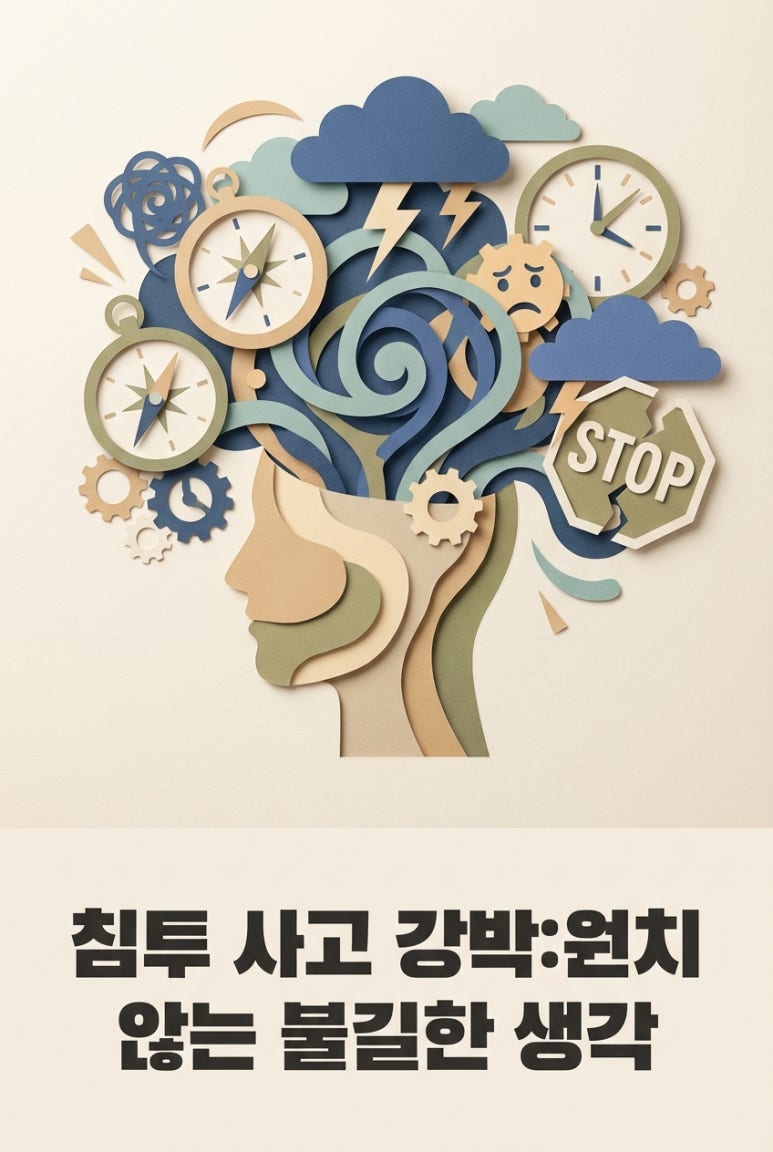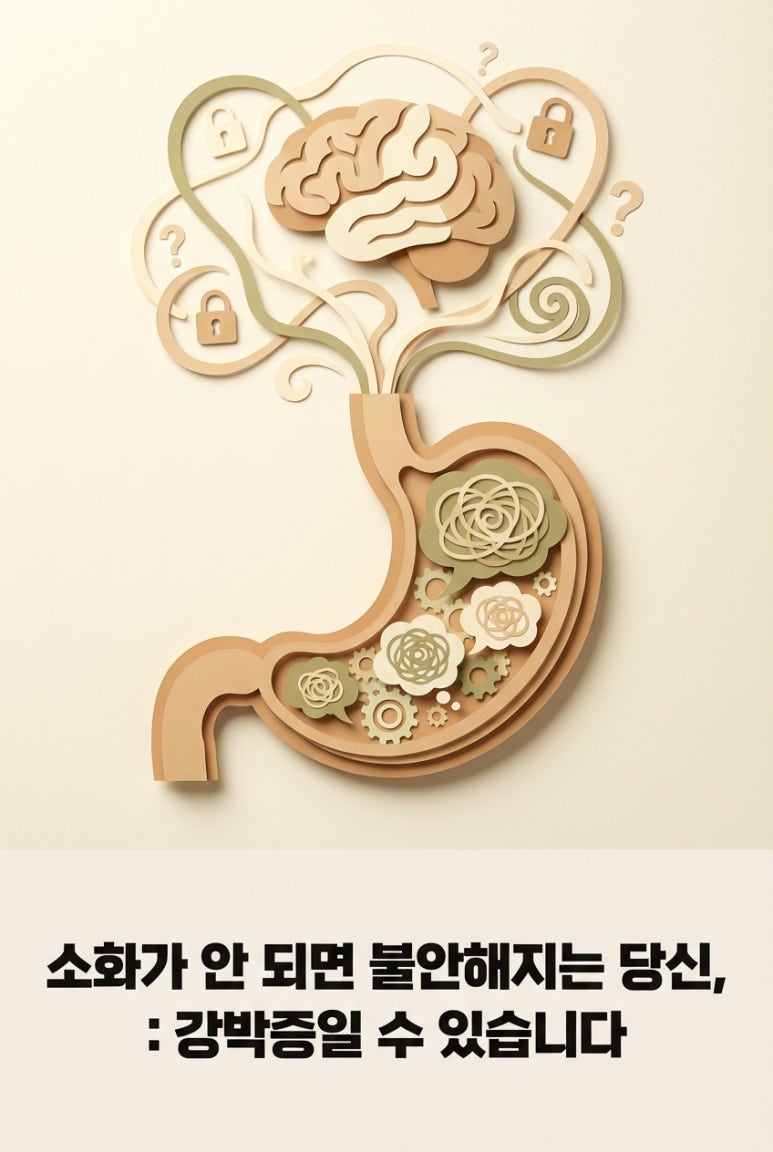

Chest Tightness and Scattered Mind: The Difference Between ADHD and Hwa-Byung (火病)


Hello, I am Dr. Choi Jang-hyuk, director of Dongjedang Korean Medicine Clinic.
Today, let's learn about ADHD and Hwa-byung.
Chest tightness and scattered attention can occur in both ADHD and Hwa-byung.
However, the fundamental causes of these two conditions are clearly different.
ADHD is a difficulty in brain function resulting from lack of attention and impulsivity.
On the other hand, Hwa-byung is not a difficulty in brain function but a somatization symptom caused by accumulated suppressed emotions.
However, it is not easy to distinguish these conditions based on symptoms alone.
ADHD, which occurs due to abnormalities in the brain's neurotransmitters, and
Hwa-byung, which manifests from purely emotional grievance,
offer many insights through their symptom similarities.
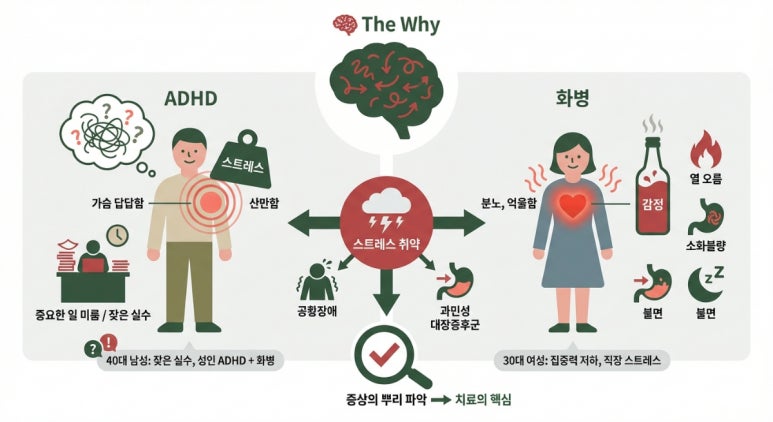
🧠 Why do ADHD and Hwa-byung cause chest tightness and scattered attention?
ADHD is a condition where attention regulation is difficult due to brain functional differences.
It presents with impulsive tendencies, making the mind complex and causing feelings of tightness.
People may experience stress from procrastinating on important tasks or making frequent mistakes.
In fact, a 40-year-old male patient I met was struggling with frequent mistakes.
After consultation, it was a case where adult ADHD was combined with
Hwa-byung caused by stress from incidents resulting from his adult ADHD.
Hwa-byung occurs when emotions such as anger and grievance are not resolved.
Long-accumulated emotions manifest as symptoms of chest tightness and rising heat.
A female patient in her 30s came in suspecting ADHD due to decreased concentration.
However, after consultation, it turned out to be Hwa-byung caused by workplace stress.
In this way, suppressed emotions can lead to symptoms similar to adult ADHD.
Stress can manifest as somatization symptoms such as panic disorder or irritable bowel syndrome.
Both conditions share a common vulnerability to stress.
Both conditions are triggered and worsened by stress as a trigger.
Can we truly eliminate stress as a trigger?
If we do, wouldn't the triggering and aggravating factors of the disease disappear?
I believe this question is the starting point of the Korean medicine approach to these conditions.
Since we cannot eliminate stress,
What if we condition the body so that stress as a trigger has minimal impact on us?
I believe this is the endpoint of the Korean medicine approach to these conditions.
✅ Action
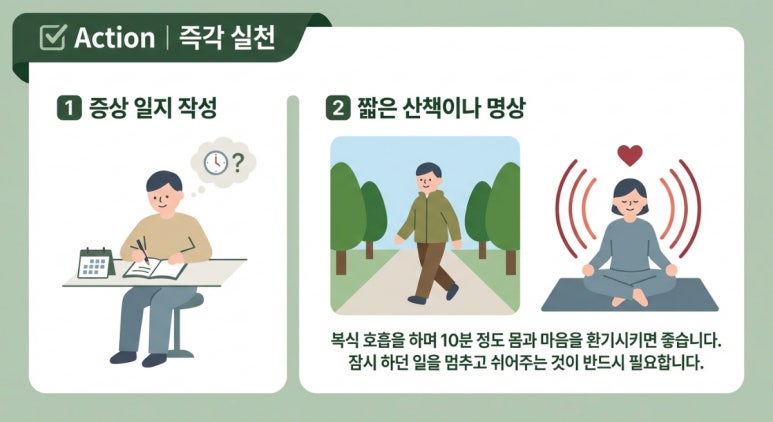
When you feel chest tightness and scattered attention, try these two things first:
1️⃣ Keep a symptom log
Record in detail when and in what situations your symptoms worsen.
This record becomes very important material during consultation.
2️⃣ Short walks or meditation
It's good to ventilate your body and mind for about 10 minutes while doing abdominal breathing.
It is essential to stop what you're doing and take a break.
🚨 Warning | Critical signals to watch for
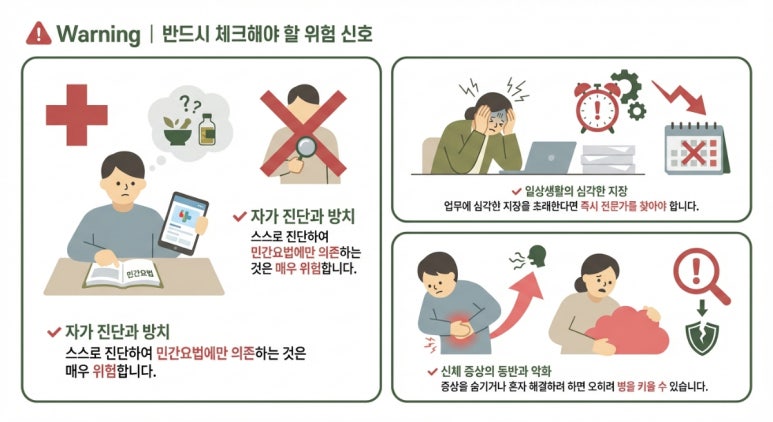
✔ Self-diagnosis and neglect
Self-diagnosing and relying solely on folk remedies is very dangerous.
✔ Serious disruption to daily life
If it causes serious disruption to your work, you must immediately consult a professional.
✔ Accompanying and worsening physical symptoms
Hiding symptoms or trying to resolve them alone can actually worsen the condition.
🔚 Closing

Chest tightness and scattered attention are not problems you should bear alone.
Although ADHD and Hwa-byung are different, they can overlap in their symptoms.
Neglecting them can lead to insomnia or digestive disorders, so caution is necessary.
I will carefully examine your symptoms.
I believe that is both the beginning and the end of treatment.
I promise to provide the most suitable Korean medicine treatment for each individual.
I will be by your side to help you return to a healthy daily life.
✍️ Written and reviewed by Dr. Choi Jang-hyuk, Director of Dongjedang Korean Medicine Clinic
Mental Health
Chest Tightness and Scattered Mind: The Difference Between ADHD and Hwa-Byung (火病)
View Program