
Lifestyle Management
Guidance on diet, exercise, hydration, and hot bathing during weight loss
# Possibility / Realistic Goals (1)
# Comorbidities (3)
Q I've gotten constipated while dieting. What foods help?
A. Fiber (vegetables), yogurt, jocheong (rice syrup), and nuts help. You can also directly manage constipation by adjusting your detox pill dosage.
View details →Q My mouth and nose have gotten dry while dieting. How much water should I drink?
A. We recommend drinking at least 2 liters of water a day. Since gamnosu (diuretic) eliminates body water, sufficient water replenishment is essential to prevent dry mucous membranes.
View details →Q I feel very tired and lethargic while dieting. Is this normal?
A. In the first 1-2 weeks, you may feel fatigue from reduced meal amounts and metabolic changes, but afterward the herbal medicine's effect replenishes your energy. If severe fatigue persists more than 2 weeks, adjustment during a visit is needed.
View details →# Lifestyle Management (2)
Q I heard hot bathing helps with weight loss. How is it done? Is it different from half-body bathing?
A. Hot bathing means soaking up to your neck until your face sweats, which is different from half-body bathing or sauna. It promotes elimination of waste and body water through skin sweat glands and boosts blood circulation to help weight loss.
View details →Q I work in Dong-gu, Incheon and my meal times are irregular. Is meal timing really that important during a diet?
A. Eating a consistent amount at consistent times trains your stomach to shrink to that rhythm, actually shrinking to less than half its size after 3 months. Irregular eating triggers binge eating and overeating and lowers metabolism.
View details →# Safety (1)
# Drug Combination / Interactions (1)
# Prognosis / Recovery (2)
Q Does 3 months of treatment really shrink the stomach? Does that mean appetite itself decreases?
A. Yes, maintaining regular meal amounts for 3 months actually shrinks the stomach by more than half, so you feel full faster with the same amount. Since the fullness signal arrives before appetite, you naturally eat less.
View details →Q I've dieted before and gained the weight back due to rebound. How can I maintain it without rebound this time?
A. The key is keeping the meal amount that matches your shrunken stomach and maintaining a less-salty palate. Continuing the constitution diet for 3 months to a year and gradually increasing aerobic exercise keeps you stable without rebound.
View details →# Causes Explained (2)
Q I'm working hard on my diet but not losing weight—could it be because I eat salty food?
A. Fat cells hold a lot of water, so eating too much salt increases body water and makes fat cells swell. A low-salt or salt-free diet plays a key role in flushing out excess body water.
View details →Q I don't eat much, but I still tend to gain weight. Why is that?
A. When digestion, metabolism, and water elimination don't work smoothly, you can gain weight easily even without overeating. It's often not simple overeating but a problem with how well your body processes food.
View details →# Food / Triggers (2)
Q What is a constitution-based diet? Do Taeeumin and Soyangin need to eat different things?
A. A constitution-based diet organizes meals by matching and avoiding foods for each Sasang constitution (Taeeumin, Soeumin, Soyangin, Taeyangin). It's divided into Stage 2 (2-3 meals during the weight-loss phase), Stage 3 (maintenance), and an intensive diet (used during concentrated treatment periods).
View details →Q I don't understand why a salt-free diet is important for weight loss. Is eating bland realistic?
A. Salt holds water, swelling fat cells and increasing edema. Even without going completely salt-free, significantly cutting sodium noticeably speeds up diuresis and fat breakdown.
View details →# Treatment Schedule (2)
Q How long do I need to attend the diet program? It's hard for me to visit often because of work.
A. You typically visit once or twice a week, and take the herbal medicine at home. It's based on a 3-month course, but adjusted flexibly to your life circumstances.
View details →Q What happens on my first diet consultation visit at Dongjedang Korean Medicine Clinic in Dong-gu, Incheon?
A. At the first visit, we do a constitution diagnosis, weight and body measurements, understand your eating and lifestyle patterns, and then design a tailored program (herbal medicine, diet, lifestyle management).
View details →# Treatment Stages (1)
# Effectiveness (1)
Lifestyle Management is not just a simple symptom
Korean medicine that considers both your constitution and lifestyle rhythm treats the root cause.
From consultation to precise treatment, we provide personalized care.
Prescriptions tailored to your constitution and symptoms treat the root cause
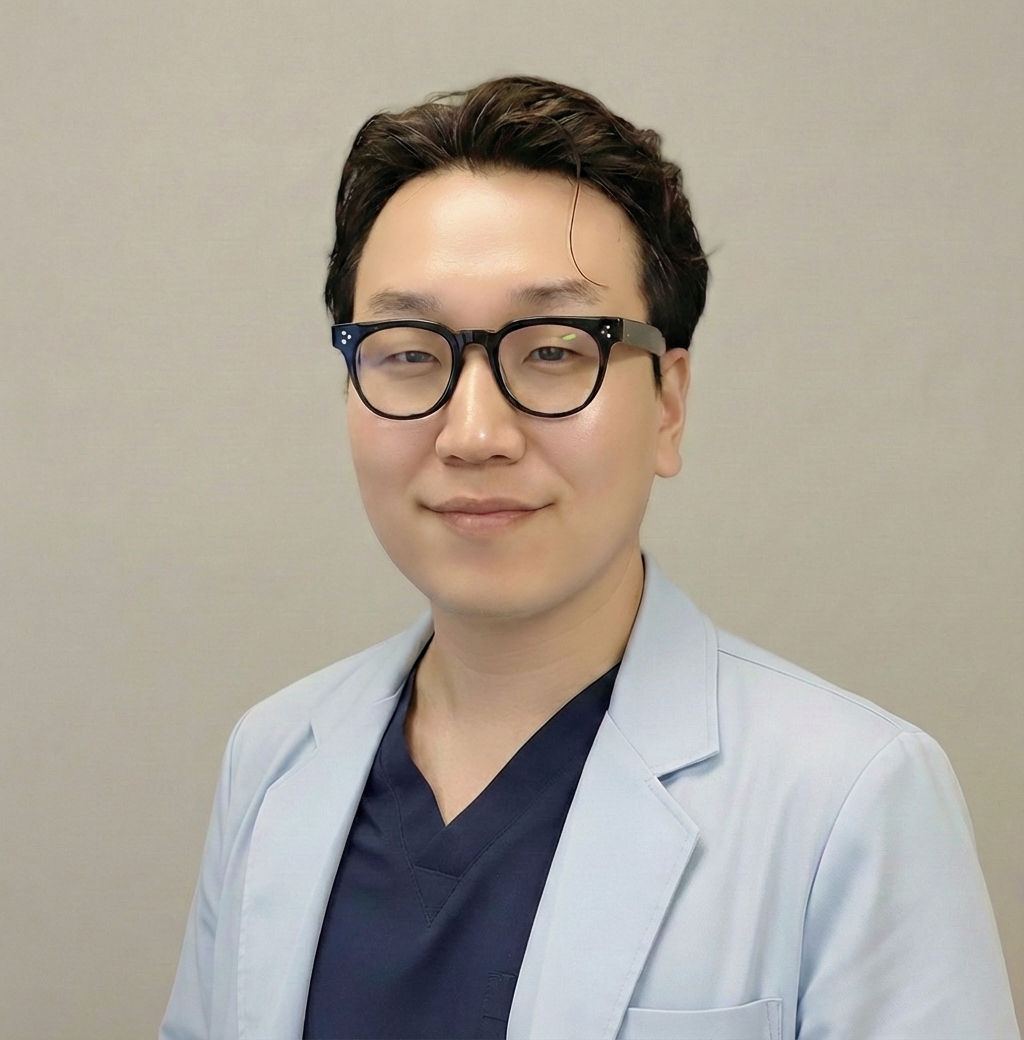
The director personally sees you from first to follow-up visits
We identify the essence through Sasang constitution, pulse and abdominal diagnosis
Treatment based on long clinical experience and evidence
Was this helpful? If you need accurate care for your condition, please contact us below.