
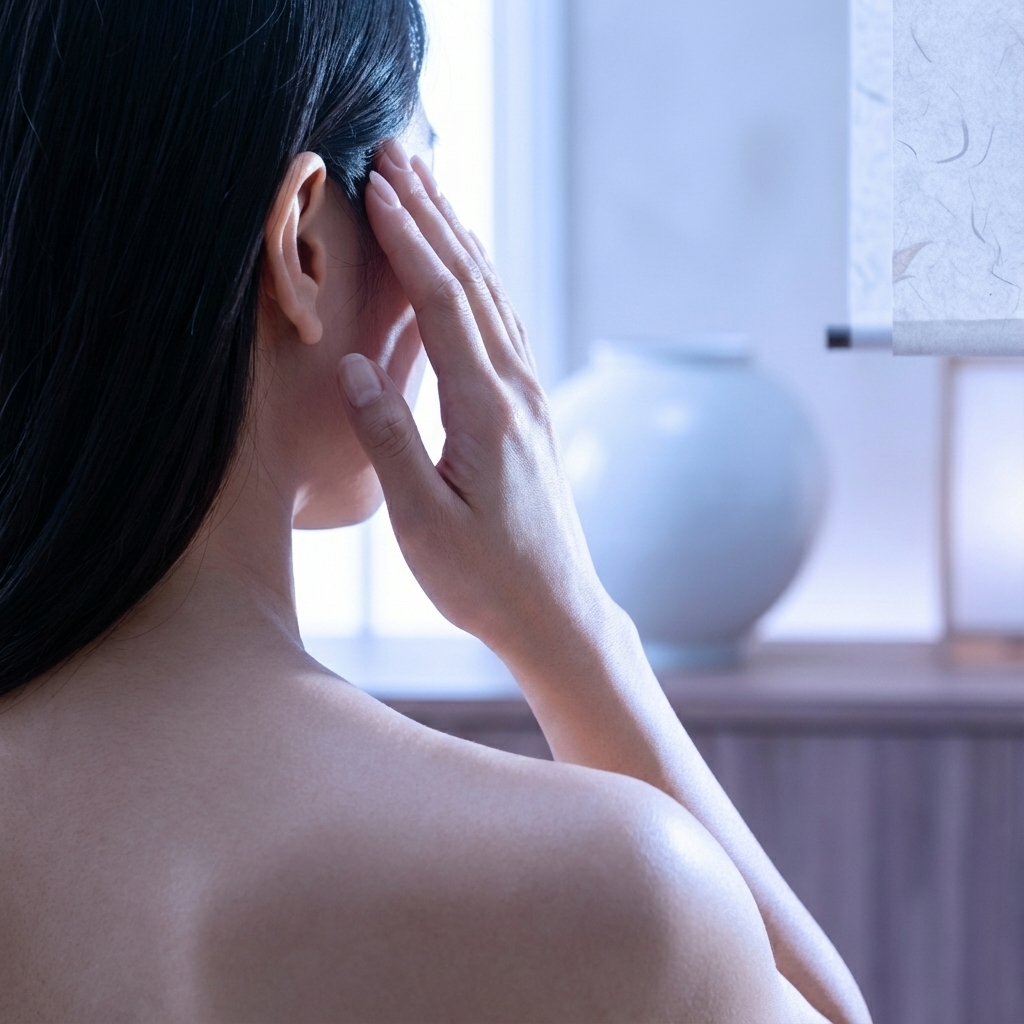
Headache / Migraine
Headache
Treatment of headaches and migraines

# Possibility / Realistic Goals (1)
# Comorbidities (2)
Q I was diagnosed with a cervical disc and I have a headache along with it. How do you tell cervicogenic headache apart from migraine?
A. Cervicogenic headache changes with neck movement and tends to radiate to the back of the head, neck, and shoulders. Migraine is characterized by throbbing pain with nausea, and the two can also occur at the same time.
View details →Q I have frequent headaches, and my anxiety and depression are also worsening. Is there a connection between headaches and mental health?
A. Yes, migraines and chronic headaches are comorbid conditions that influence each other. Managing both together increases the effectiveness of headache prevention.
View details →# Lifestyle Management (2)
Q I've been told to keep a headache diary. How should I record it?
A. Note the date and time of onset, the location and intensity of the pain (0-10), how long it lasts, accompanying symptoms, medications taken, and that day's meals, sleep, and stress situation.
View details →Q Is it okay to exercise when I have a headache? I'm worried it might make things worse.
A. During a headache attack, avoid strenuous exercise and rest. However, regular aerobic exercise (3-5 times a week) in general helps reduce the frequency of headache attacks.
View details →# Safety (1)
# Drug Combination / Interactions (1)
# Prognosis / Recovery (2)
Q With treatment, does a tension-type headache go away completely, or do I have to manage it for life?
A. About half of episodic tension-type headaches improve with treatment, while the rest may progress to chronic. By managing triggers and continuing treatment, you can greatly reduce the frequency of attacks.
View details →Q My migraines are getting more frequent. If they become chronic migraine, will treatment be harder?
A. When headaches persist on 15 or more days per month, they are classified as chronic migraine, which greatly lowers quality of life. Active early treatment can prevent chronification, so managing it now is important.
View details →# Causes Explained (2)
Q I'm 38 and work an office job in Dong-gu, Incheon. Every afternoon the back of my neck gets stiff and both sides of my head ache as if a band is squeezing them. Could this be a tension headache?
A. Yes, a squeezing pressure on both sides is a classic tension-type headache. It develops as the scalp, neck, and shoulder muscles contract continuously, with stress, fatigue, and poor posture being the main causes.
View details →Q Why does a migraine hurt on only one side and throb like a pulse? I heard it has to do with the brain's blood vessels.
A. Migraine is a neurovascular disorder in which the cerebral blood vessels and the trigeminal nerve act together. An imbalance of serotonin triggers a vascular response, producing throbbing pain on one side of the head.
View details →# Food / Triggers (2)
Q I have migraines. Are there particular foods I should avoid?
A. MSG, nitrites (smoked meats), aspartame, tyramine (cheese, red wine), and caffeine are known migraine triggers. Keeping a headache diary to identify your own trigger foods is the most accurate approach.
View details →Q What lifestyle habits trigger headaches? Are sleep patterns related too?
A. Irregular sleep, excessive screen use, stress, skipped meals, and dehydration are major triggers. The habit of sleeping in on weekends can also bring on a "weekend migraine."
View details →# Treatment Schedule (1)
# Treatment Stages (2)
Q What are the first aid measures you can take at home when a migraine attack starts?
A. It is effective to rest in a quiet, dark room and take prescribed triptans or NSAIDs at the beginning of symptoms. Cold compresses and pressure on the temples also help with temporary relief.
View details →Q My headaches come so often that I'd like preventive treatment. Is preventive treatment possible in Korean medicine too?
A. Yes, headache prevention is possible in Korean medicine as well. Starting preventive treatment is recommended when you have headaches 4 or more times a month or are at risk of chronification.
View details →# Effectiveness (2)
Q Does acupuncture really work for headaches? How does it compare to taking painkillers?
A. Yes, acupuncture is a treatment recognized by standard clinical practice guidelines for both tension-type headache and migraine. It can be combined with painkillers or used preventively to reduce the frequency of attacks.
View details →Q Does herbal medicine work for headaches? How long do I need to take it?
A. Herbal medicine prescriptions vary according to the headache's pattern diagnosis, and they help reduce the frequency of attacks and prevent recurrence. Effectiveness is usually evaluated after 4-8 weeks of use.
View details →Headache / Migraine is not just a simple symptom
Korean medicine that considers both your constitution and lifestyle rhythm treats the root cause.
From consultation to precise treatment, we provide personalized care.
Prescriptions tailored to your constitution and symptoms treat the root cause
The director personally sees you from first to follow-up visits
We identify the essence through Sasang constitution, pulse and abdominal diagnosis
Treatment based on long clinical experience and evidence
Was this helpful? If you need accurate care for your condition, please contact us below.