
ADHD
Attention-Deficit/Hyperactivity Disorder
Attention-deficit/hyperactivity disorder affecting focus and impulse control
# Possibility / Realistic Goals (1)
# Comorbidities (2)
Q I have ADHD and I think I also have anxiety. Can both be treated together?
A. ADHD and anxiety disorder co-occur in 30–50% of cases, and Korean medicine treatment can address both conditions together.
View details →Q I am an adult with ADHD and I also suffer from significant depression. How should I approach this?
A. Depression and anxiety are highly comorbid with adult ADHD, and integrated treatment addressing both conditions simultaneously is needed.
View details →# Lifestyle Management (2)
Q How can I help my child with ADHD at home?
A. A consistent daily routine, breaking tasks into short segments, and positive reinforcement are the most effective home supports for children with ADHD.
View details →Q I heard exercise helps with ADHD — what type is best?
A. Aerobic exercise naturally releases dopamine and alleviates ADHD symptoms; 30 or more minutes of regular daily exercise is recommended.
View details →# Safety (2)
Q I've heard ADHD medication (Ritalin) is bad for the heart — is that true?
A. For most children without underlying cardiovascular disease it is safe, but cardiac evaluation is essential before use if there are any heart abnormalities.
View details →Q Is it safe to give herbal medicine to young children?
A. Herbal medicine with dosages adjusted to suit a child's weight and constitution can be taken safely, and there are almost no reports of toxicity from long-term use.
View details →# Drug Combination / Interactions (1)
# Prognosis / Recovery (2)
Q Does ADHD go away naturally as a child grows up?
A. Approximately 50% of children with ADHD continue to have symptoms into adulthood, making early treatment and management important.
View details →Q How long does Korean medicine treatment for ADHD take before results are seen?
A. Three months is typically considered the first treatment unit, with 6–12 months of maintenance treatment recommended depending on the degree of improvement.
View details →# Causes Explained (2)
Q Is my child's inability to focus really ADHD, or just their personality?
A. ADHD is a neurodevelopmental disorder caused by dysregulation of dopamine and norepinephrine — it is distinct from a personality trait.
View details →Q What causes ADHD? Is it genetic?
A. Genetic factors account for 70–80% of ADHD cases, with dopamine receptor gene variants being the primary cause.
View details →# Food / Triggers (2)
Q Are there foods my child with ADHD should avoid?
A. Artificial dyes, sugar, and caffeine may worsen hyperactivity and are best limited for children with ADHD.
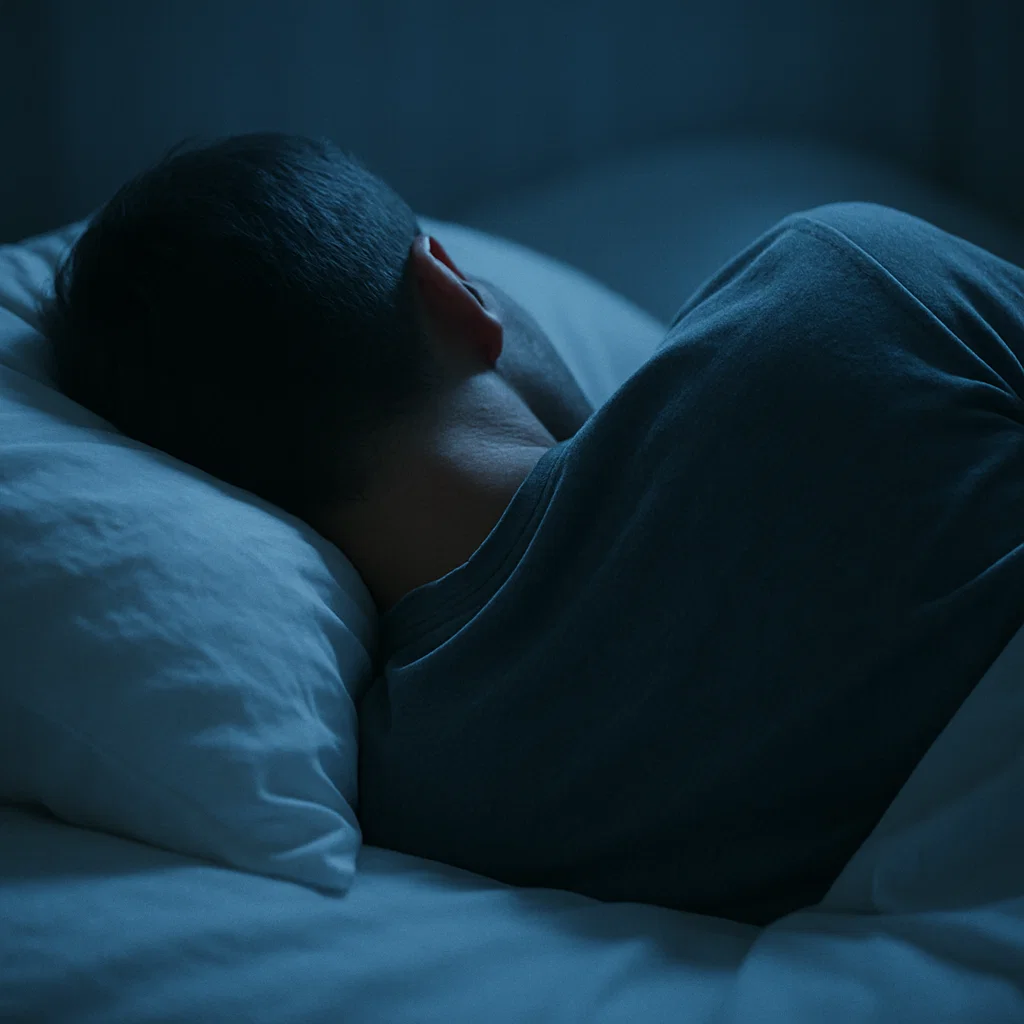
View details →Q Does lack of sleep make ADHD symptoms worse?
A. Sleep deprivation impairs frontal lobe function and significantly worsens inattention and impulsivity.
View details →# Treatment Schedule (1)
# Treatment Stages (2)
Q In what order is ADHD treatment conducted?
A. The process proceeds in the following order: Diagnosis and Differentiation → Prescription to strengthen the Heart, Spleen, and Kidney → Concurrent Acupuncture Treatment → Re-evaluation after 3 months.
View details →Q My child goes to school — will treatment interfere with school life?
A. Korean medicine treatment has no drowsiness or appetite-suppressing side effects, making it easy to combine with school life.
View details →# Effectiveness (1)
ADHD is not just a simple symptom
Korean medicine that considers both your constitution and lifestyle rhythm treats the root cause.
From consultation to precise treatment, we provide personalized care.
Prescriptions tailored to your constitution and symptoms treat the root cause
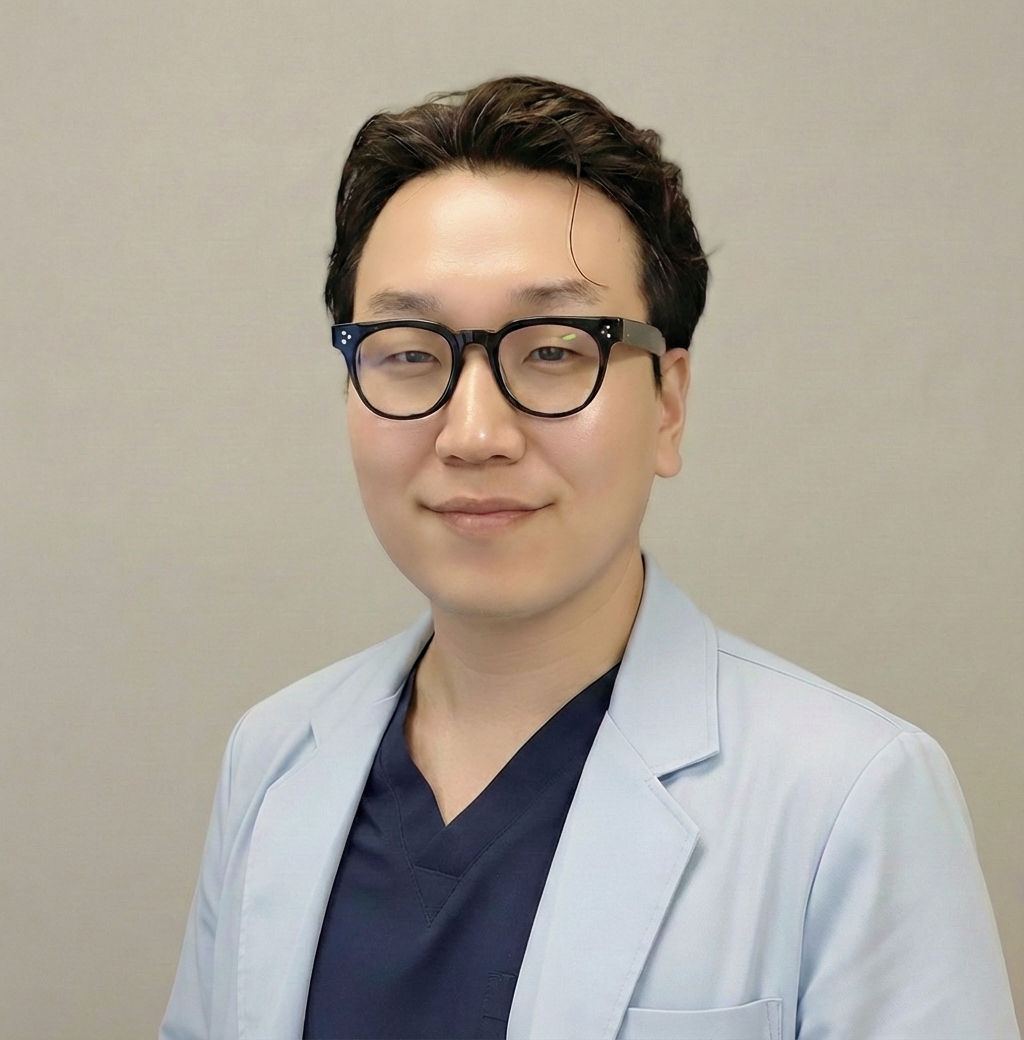
The director personally sees you from first to follow-up visits
We identify the essence through Sasang constitution, pulse and abdominal diagnosis
Treatment based on long clinical experience and evidence
Was this helpful? If you need accurate care for your condition, please contact us below.