
Meniscus Tear
Meniscus Tear
Meniscus injury causing knee swelling and a catching pain when squatting
# Possibility / Realistic Goals (2)
Q I am a man in my 60s, and MRI results indicate significant wear on my meniscus. Is it actually possible to see improvement with Korean traditional medicine treatment at this age?
A. Even with degenerative meniscus damage in the 60s, pain reduction and functional improvement are fully possible. While new cartilage cannot be created, the realistic goal of treatment is to protect the remaining cartilage, strengthen surrounding muscles and ligaments, and suppress inflammation. Many patients recover their ability to walk normally without surgery through active conservative treatment.
View details →Q I am an athlete in my 20s who wants to undergo meniscal repair surgery, but I am afraid of the operation. Is it possible to return to sports with only Korean traditional medicine treatment?
A. For athletes in their 20s, if the tear is a complete rupture or a bucket handle tear, repair surgery is often more advantageous for returning to sports. If it is a partial tear, a return can be attempted with conservative treatment combined with Korean traditional medicine, but it is essential to first accurately confirm the extent of the tear using an MRI. Realistically, returning to sports with Korean traditional medicine treatment alone for a complete tear is limited.
View details →# Comorbidities (1)
# Lifestyle Management (2)
Q I am currently undergoing treatment for a meniscus tear. Is it okay to continue exercising? I would like to know which exercises are good and bad for my knees.
A. Aerobic exercises with low knee impact, such as swimming, aqua aerobics, and indoor cycling (low resistance), are good for maintaining muscle strength while supplying nutrients to the cartilage. As a general rule, exercises involving repetitive impact and twisting, such as running, jumping, soccer, and fast stair climbing, should be avoided until symptoms stabilize.
View details →Q Since my meniscus injury, my knee feels unstable and heavy. I am curious about lifestyle habits that can protect my knee in daily life.
A. Key habits for protecting the knee include maintaining a healthy weight, avoiding the same posture for long periods, using a chair instead of squatting, and choosing shoes (cushioned athletic shoes). Additionally, correcting postures where the knees protrude far forward beyond the toes, or correcting pigeon-toed or pigeon-toed gaits, can reduce stress on the meniscus in the long term.
View details →# Safety (1)
# Drug Combination / Interactions (1)
# Prognosis / Recovery (2)
Q I have been diagnosed with a partial meniscus tear. How long does it take to see improvement if I receive Korean medicine treatment?
A. In the case of a partial tear, it is generally common for pain to significantly decrease within 4 to 8 weeks of starting conservative treatment, and for daily walking to become comfortable around 3 months later. However, the prognosis varies depending on the location of the tear (blood supply availability), age, weight, and the presence of concomitant injuries. The treatment plan is adjusted by re-evaluating the response to treatment every 4 weeks.
View details →Q My knee still hurts after meniscectomy. Is Korean traditional medicine effective for post-surgical pain?
A. In some cases, increased load on the remaining cartilage after a meniscectomy can lead to the progression of arthritis, or adhesions and scar tissue can cause pain. Korean traditional medicine can help with pain caused by residual inflammation, adhesions, and muscle imbalances after surgery, and contributes to creating an environment that protects the remaining cartilage.
View details →# Causes Explained (2)
Q I am an office worker in my 40s. I experienced knee pain without any apparent trauma, and after getting tested, I was diagnosed with a meniscus tear. Why does this occur even without any injury?
A. The meniscus is a fibrocartilaginous structure that absorbs shock between the knee joints. Even without trauma, gradual degenerative tears can occur due to repetitive squatting, twisting, being overweight, and a decrease in cartilage elasticity caused by aging. After the age of 40, the water content of the cartilage decreases and fibrosis progresses, making it susceptible to tearing even during everyday movements.
View details →Q I am a man in my 30s who enjoys playing soccer. When I suddenly twisted my knee, I heard a "pop" sound, and the swelling and pain worsened. Did I tear my meniscus?
A. A meniscus tear caused by sudden twisting or flexion movements is a typical type of sports injury. If sudden swelling and pain occur along with a "pop" sound, there is a high possibility of an acute tear. It is important to immediately confirm the extent and location of the tear through an MRI scan and establish an appropriate treatment plan.
View details →# Food / Triggers (2)
Q My meniscus is on the weaker side. Are there any foods that are good for cartilage or foods I should avoid?
A. Vitamin C (broccoli, bell peppers), which is necessary for collagen synthesis; foods rich in chondroitin sulfate (beef bones, cartilage); and omega-3 fatty acids (mackerel, tuna) are beneficial for the joint cartilage environment. On the other hand, refined sugar, trans fats, and excessive alcohol consumption increase inflammation in the body and worsen the environment surrounding cartilage, so it is advisable to reduce their intake.
View details →Q I am a woman in my 50s working at the Dongincheon Logistics Center. I spend a lot of time squatting while working; are there any specific postures or movements that are particularly bad for the meniscus?
A. Squatting, twisting while the knee is fully flexed, and walking quickly down stairs concentrate pressure on the medial meniscus, causing rupture and aggravation. If it is difficult to avoid these movements due to your job, wearing a knee brace, stretching frequently, and managing your weight are essential.
View details →# Treatment Schedule (1)
# Treatment Stages (2)
Q I would like to know the entire process of how meniscal tears are treated at a Korean medicine clinic, in what order.
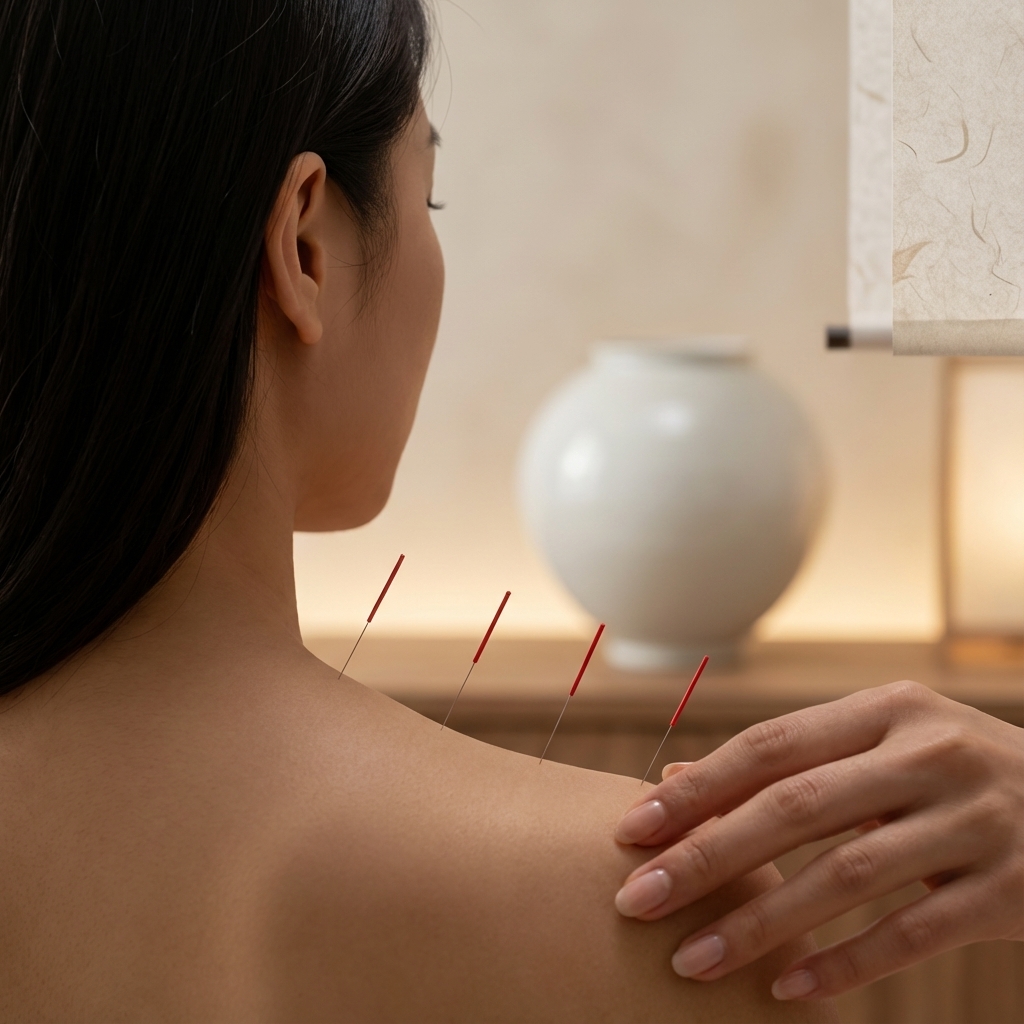
A. Stage 1 involves controlling acute inflammation and edema (acupuncture and pharmacopuncture); Stage 2 involves removing adhesions and stimulating tissue regeneration (smoke needles, fire needles, and thread embedding); Stage 3 involves muscle strength recovery and joint stabilization; and Stage 4 involves maintenance management to prevent recurrence. Each stage is evaluated every 2 to 4 weeks and adjusted according to the individual's condition.
View details →Q Please explain in more detail how Dochim treatment works for meniscal tears.
A. Dochim is a special needle with a sharp tip that physically separates fibrous tissues adhered around the joint and stimulates ligament and tendon attachment sites to induce a tissue regeneration response. It acts directly on the hardened joint capsule, medial collateral ligament, and adhesions in the tissues surrounding the meniscus to alleviate pain and functional limitations.
View details →# Effectiveness (2)
Q I hear that Korean medicine clinics treat meniscal tears with acupuncture. Can torn cartilage really heal with needles? I have doubts about its effectiveness.
A. Although acupuncture treatment does not directly suture torn cartilage tissue, it demonstrates evidence-based effects in improving blood flow around the joint, suppressing inflammation, and controlling pain. In particular, knife needles are used to physically separate adhesions within the joint and stimulate ligament and tendon attachment sites to create an environment for tissue regeneration. In cases of degenerative or partial tears that do not require surgery, one can expect pain reduction and functional recovery through Korean medicine treatment.
View details →Q I was recommended surgery by an orthopedic surgeon. Can I substitute or postpone surgery with treatment at a Korean medicine clinic?
A. Not all meniscal tears require surgery. In cases of degenerative tears or partial tears, symptoms often improve with conservative treatment, making non-surgical approaches, including Korean medicine, a viable option. However, surgery may be necessary if joint locking persists or if there is a complete or large tear, so MRI findings and symptoms must be considered together.
View details →Meniscus Tear is not just a simple symptom
Korean medicine that considers both your constitution and lifestyle rhythm treats the root cause.
From consultation to precise treatment, we provide personalized care.
Prescriptions tailored to your constitution and symptoms treat the root cause
The director personally sees you from first to follow-up visits
We identify the essence through Sasang constitution, pulse and abdominal diagnosis
Treatment based on long clinical experience and evidence
Was this helpful? If you need accurate care for your condition, please contact us below.