
Q I am an office worker in my 40s, and even though I take medication from the hospital, my pain doesn't go away. Is Korean traditional medicine actually effective for this type of neuralgia?
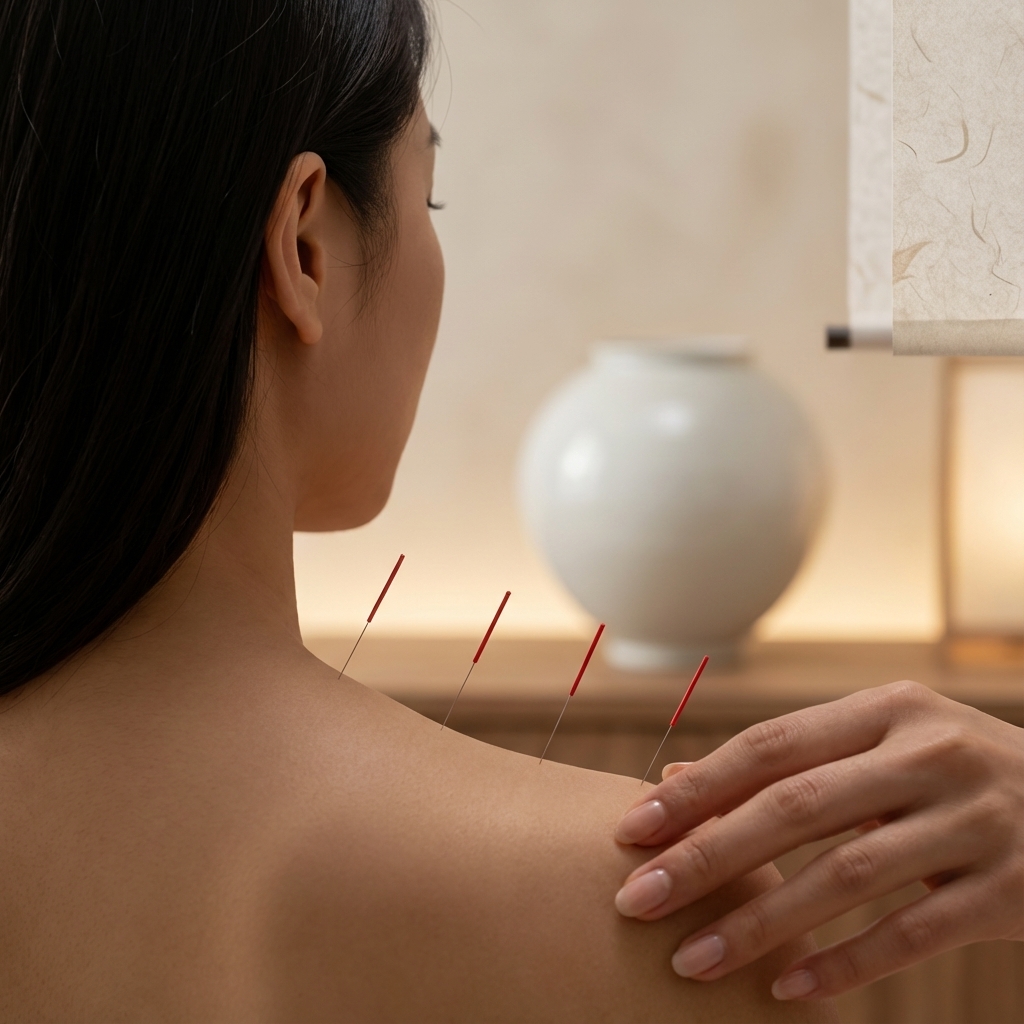
A Since postherpetic neuralgia is a type of neuropathic pain that does not respond well to general painkillers, Korean traditional medicine treatments such as acupuncture and pharmacopuncture play a meaningful complementary role. According to research, acupuncture treatment has been confirmed to reduce central sensitization of neuropathic pain and raise the pain threshold. It yields better results in pain reduction and sleep improvement when combined with Western medical treatments rather than alone.
Detailed Answer
Postherpetic neuralgia is treated with neuropathic pain medications such as pregabalin, gabapentin, and tricyclic antidepressants, but sufficient pain control is not achieved in about half of the patients. Topical treatments such as lidocaine patches and capsaicin cream are also used in conjunction, but there are limitations to their long-term use. In such cases, interventional procedures such as nerve blocks or spinal cord stimulation are sometimes considered. Korean traditional medicine is utilized as an integrated approach in parallel with these standard treatments. Modern research has elucidated the mechanism by which acupuncture in Korean medicine resolves qi and blood stagnation in the meridians to improve local blood circulation and promote the secretion of endogenous analgesic substances such as enkephalins and serotonin. In the case of post-herpetic neuralgia, acupuncture needles are inserted simultaneously into acupoints that release congested qi and blood, as well as into the painful areas surrounding the affected nerve ganglion. At Dongjedang, we further apply a stepwise approach using pharmacopuncture to directly access damaged nerve pathways to regulate residual heat toxins and inflammation, while creating an environment for nerve regeneration through thread embedding therapy. Our goal is to fill the gaps in nerve recovery that medication cannot reach.
Related FAQs
-
Q
I am a 52-year-old housewife who wants to stop taking Gabapentin because the side effects (dizziness and drowsiness) are severe. Can I manage the pain with only Korean traditional medicine treatment?
#Possibility / Realistic Goals
-
Q
I am a 39-year-old delivery driver whose whole body aches, and I am unable to work because even the slightest touch of my collar causes pain. Will I be able to return to work after treatment?
#Possibility / Realistic Goals
-
Q
I am a 59-year-old self-employed individual. Since my pain has been long-standing, I feel depressed and anxious, so I am also taking medication from a psychiatric clinic. Is it okay to combine this with traditional Korean medicine treatment?
#Comorbidities
-
Q
I am a 56-year-old housewife who cannot sleep at night due to pain. Are there any lifestyle management tips to improve my sleep?
#Lifestyle Management
-
Q
I am a 42-year-old delivery driver, and the pain gets much worse when exposed to wind or cold air. How should I manage this?
#Lifestyle Management