
Q I am a 64-year-old retired civil servant who has had post-herpetic neuralgia for over a year. What treatment sequence should I receive at a Korean medicine clinic?
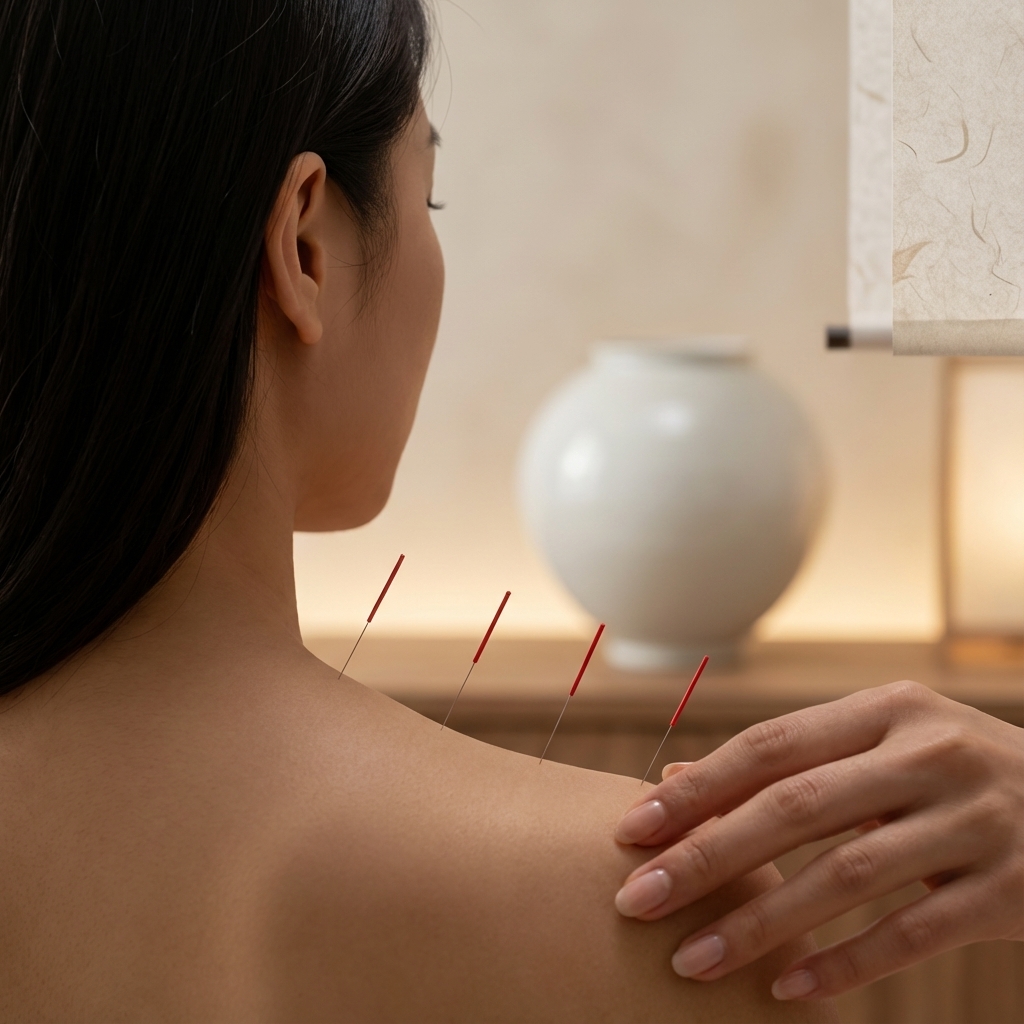
A In cases of chronicity lasting more than one year, Stage 1 involves using acupuncture and pharmacopuncture to first resolve hardened blood stasis and meridian blockages. If a response is observed, Stage 2 supports the reconstruction of surrounding nerve tissue using thread embedding and needle insertion. In Stage 3, herbal medicine tailored to the patient's constitution is used to replenish vital energy and prevent recurrence. Each stage is evaluated and adjusted every four weeks.
Detailed Answer
In chronic PHN (over one year), nerve damage is fixed, so a multi-modal approach is recommended over monotherapy. The standard steps are: ① Optimization of neuropathic pain medication (pregabalin + antidepressant combination), ② Local treatment (lidocaine patch, high-concentration capsaicin patch), ③ Intervention (nerve block, spinal cord stimulation), and ④ Concurrent psychological and rehabilitation therapy. Spinal cord stimulation (SCS), an interventional procedure, has been reported to reduce pain by more than 50% in drug-refractory chronic PHN. Korean Medicine Clinic Perspective
Dongjedang’s three-step treatment for chronic neuralgia is as follows: Step 1 (Weeks 1–4): Acupuncture and pharmacopuncture are used to gently dissolve hardened blood stagnation and open the meridians. Shallow needling and small amounts of pharmacopuncture are used to regulate remaining heat toxins and local inflammation. Step 2 (Weeks 5–10): When a pain response occurs, thread embedding is used to promote the regeneration of tissues surrounding the nerve pathway, and acupuncture techniques are applied to separate adhesions if necessary. Step 3 (Weeks 11 onwards): Herbal medicine tailored to the patient's constitution is used to replenish blood and body fluids—the foundation of recovery—and to recharge vital energy, aiming for a state free from recurrence. Even patients with slow responses follow each step without skipping any, while adjusting their goals accordingly.
Related FAQs
-
Q
I am a 52-year-old housewife who wants to stop taking Gabapentin because the side effects (dizziness and drowsiness) are severe. Can I manage the pain with only Korean traditional medicine treatment?
#Possibility / Realistic Goals
-
Q
I am a 39-year-old delivery driver whose whole body aches, and I am unable to work because even the slightest touch of my collar causes pain. Will I be able to return to work after treatment?
#Possibility / Realistic Goals
-
Q
I am a 59-year-old self-employed individual. Since my pain has been long-standing, I feel depressed and anxious, so I am also taking medication from a psychiatric clinic. Is it okay to combine this with traditional Korean medicine treatment?
#Comorbidities
-
Q
I am a 56-year-old housewife who cannot sleep at night due to pain. Are there any lifestyle management tips to improve my sleep?
#Lifestyle Management
-
Q
I am a 42-year-old delivery driver, and the pain gets much worse when exposed to wind or cold air. How should I manage this?
#Lifestyle Management