
Q I am a self-employed male in my 50s. My elbow hurts; some days it feels like the outer side, while other days it feels like the inner side. What is the difference between tennis elbow and golf elbow?
A Tennis elbow is a tendon issue on the outer side of the elbow (lateral epicondyle), while golf elbow is a tendon issue on the inner side (medial epicondyle). Tennis elbow involves damage to the origin of the muscles that extend the wrist, while golf elbow involves damage to the origin of the muscles that flex the wrist; thus, the location of the pain and the movements that trigger it differ. It is not uncommon for both areas to hurt simultaneously.
Detailed Answer
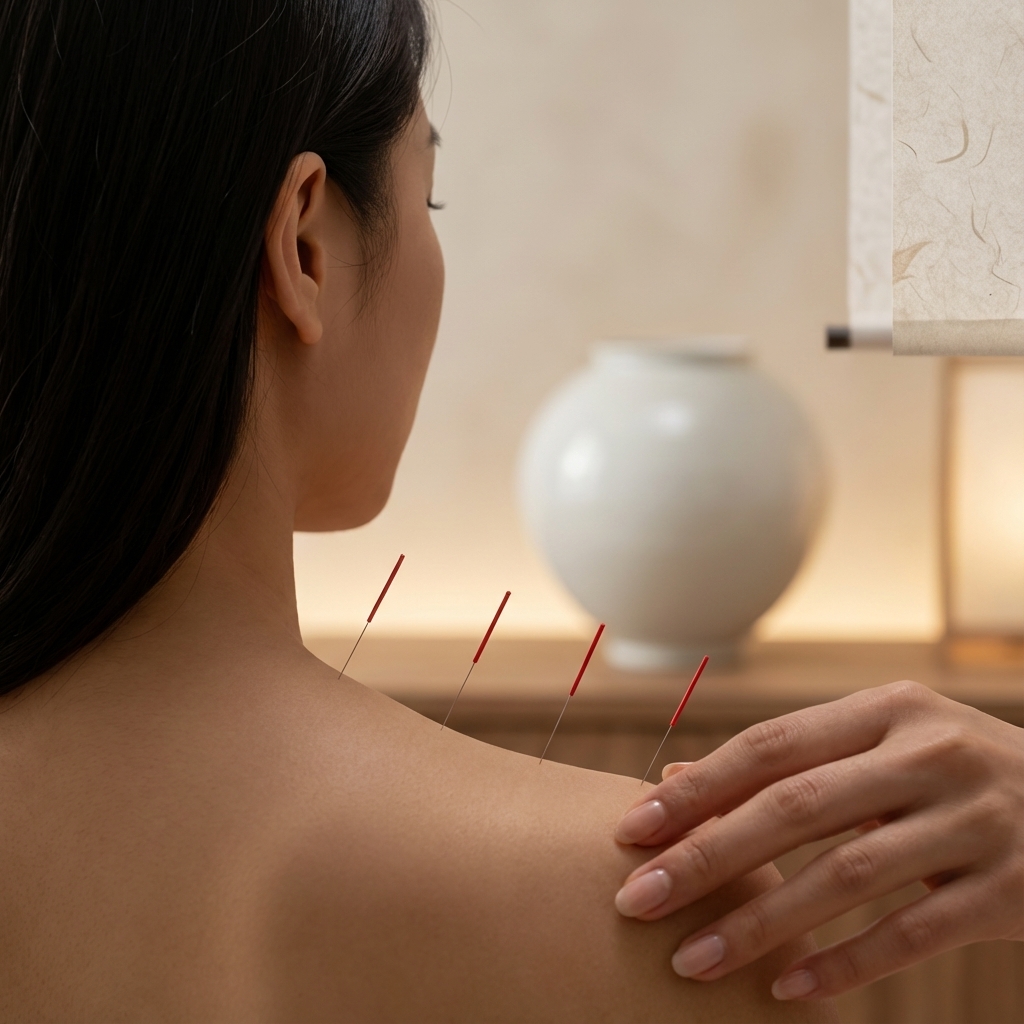
Tennis elbow (lateral epicondylitis) is a lesion in the tendons of the wrist extensor muscles that attach to the outer bone of the elbow, while golf elbow (medial epicondylitis) is a lesion in the tendons of the wrist flexor muscles that attach to the inner bone. With tennis elbow, pain worsens when bending the wrist upward or gripping objects, whereas with golf elbow, it worsens when bending the wrist downward or twisting it. Tennis elbow occurs 4 to 7 times more frequently than golf elbow. However, for those who overuse their entire arms, issues may arise in both sides simultaneously. Since it can be difficult to pinpoint the exact location if pain spreads to the area around the elbow, it is recommended to differentiate the condition using tenderness point examination and ultrasound. From a Korean medicine perspective, both conditions fall under the category of blocked Qi and blood in the meridians that originate in the hand and pass through the arm; however, the specific locations of the blocked meridians differ. Because the outer and inner sides belong to different meridian domains, the differential diagnosis and acupuncture sites vary even within the same elbow. The common root stems from the principle that the liver governs the tendons. Pain becomes entrenched when liver blood fails to nourish the tendons, combined with the invasion of cold energy and dampness into the joint, or when blood stasis resulting from chronic injury overlaps. At Dongjedang, we identify both the outer and inner tendons using ultrasound to pinpoint the location of the lesion. We then precisely release adhesions in the affected area using acupuncture and needle acupuncture, and for internal treatment, we lay the foundation for tendon recovery with herbal medicine that empties blood stasis and dampness. The treatment principle is the same, differing only in location, so even those suffering from pain on both sides can be managed through a single process.
Related FAQs
-
Q
I am a self-employed man in my 50s. The orthopedic clinic even mentioned surgery, but is there really a possibility of recovery through Korean medicine treatment without surgery?
#Possibility / Realistic Goals
-
Q
I am a woman in my 40s who runs a small workshop in Dong-gu, Incheon. I have received steroid injections three times, but the effect is only temporary and the condition keeps recurring. Can this case also be improved with Korean traditional medicine treatment?
#Possibility / Realistic Goals
-
Q
I am a male developer in my 40s. I was diagnosed with tennis elbow, but my neck and shoulders are also constantly stiff. Are they related, or did they develop separately?
#Comorbidities
-
Q
I am a male office worker in my 50s. Please tell me about stretches or exercises that are good for tennis elbow. Something I can do at home every day.
#Lifestyle Management
-
Q
I am a woman in my 30s who runs a cafe. Is ice packs or hot packs better for tennis elbow? I am confused because the information on the internet is inconsistent.
#Lifestyle Management