Q I am a hairdresser in my 40s. I cannot take time off work, so I would like to know which daily movements worsen tennis elbow so I can avoid them.
A Movements involving applying force while bending the wrist upward and gripping and twisting objects are typical aggravating factors. This includes lifting a hairdryer, cutting with scissors, wringing out a rag, lifting a heavy fan, and using a mouse with the wrist bent. Holding objects with your palm facing upward and developing the habit of using your entire arm and torso instead of just your wrist reduces the strain.
Detailed Answer
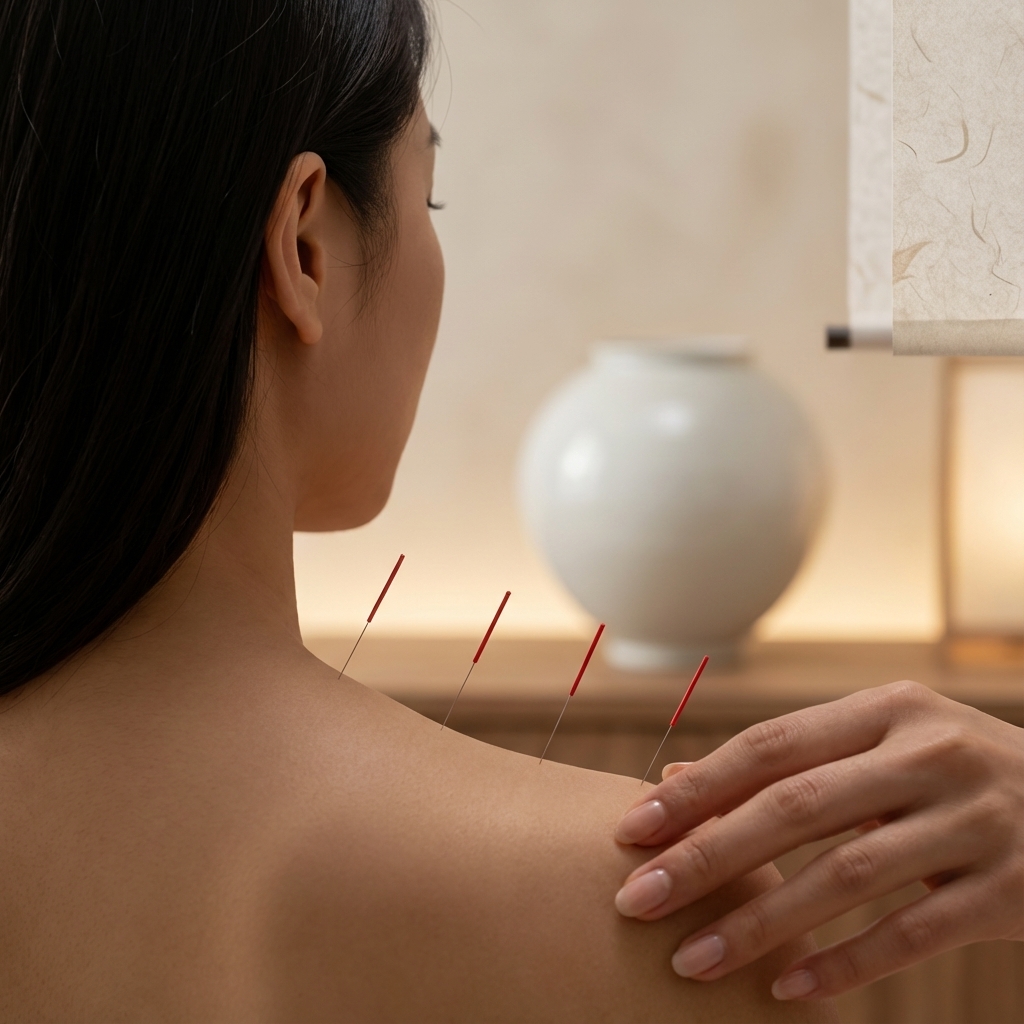
The key factor that worsens tennis elbow is movements that place a load on the wrist extensor muscles. Specifically, this includes lifting objects with the back of the hand facing upward (pronation), gripping tightly (scissors, hairdryer, frying pan), twisting (rag, bottle cap, doorknob), and performing repetitive tasks with the wrist bent (typing, mouse). Even with the same weight, lifting with the palm facing upward (supination) significantly reduces the load on the extensor muscles. For professions like hairdressers where you cannot put down your tools, a realistic approach is to switch to lighter scissors and hair dryers with thicker grips and incorporate 1 to 2 minutes of muscle stretching during breaks. Counterforce bands worn below the elbows also help distribute the load during work. In Korean medicine, it is believed that the same movement can either cause illness or not depending on one's physical condition. Individuals with sufficient liver blood, which allows their tendons to grow well, can recover even after cutting scissors all day; however, if they become imbalanced due to overwork and lack of sleep, the same activity leads to cumulative damage. In other words, if managing the triggering movement accounts for half the process, managing recovery power is the other half. At Dongjedang, for those who cannot rest from work, we pursue both approaches simultaneously. Externally, acupuncture and moxibustion are used to release hardened adhesions, preventing the work load from concentrating on a single point; internally, accumulated blood stasis and dampness are cleared, and Qi and blood are replenished with herbal medicine tailored to the constitution, creating a balance where recovery keeps pace with the injury even while working. If you cannot change your profession, changing your body's recovery speed is the answer.
Related FAQs
-
Q
I am a self-employed man in my 50s. The orthopedic clinic even mentioned surgery, but is there really a possibility of recovery through Korean medicine treatment without surgery?
#Possibility / Realistic Goals
-
Q
I am a woman in my 40s who runs a small workshop in Dong-gu, Incheon. I have received steroid injections three times, but the effect is only temporary and the condition keeps recurring. Can this case also be improved with Korean traditional medicine treatment?
#Possibility / Realistic Goals
-
Q
I am a male developer in my 40s. I was diagnosed with tennis elbow, but my neck and shoulders are also constantly stiff. Are they related, or did they develop separately?
#Comorbidities
-
Q
I am a male office worker in my 50s. Please tell me about stretches or exercises that are good for tennis elbow. Something I can do at home every day.
#Lifestyle Management
-
Q
I am a woman in my 30s who runs a cafe. Is ice packs or hot packs better for tennis elbow? I am confused because the information on the internet is inconsistent.
#Lifestyle Management