
Menopause & Other Women
Menopause
Menopause and other women conditions
# Possibility / Realistic Goals (1)
# Comorbidities (2)
Q Since entering menopause I urinate frequently and sometimes leak, and although tests show no bacteria, it stings when I urinate. Can this be treated together too?
A. Declining estrogen also weakens the urethral and bladder mucosa, causing frequent urination, incontinence, and recurrent cystitis. When the whole of menopause is treated together, these urinary symptoms often improve as well.
View details →Q Since menopause I've had vaginal dryness and discomfort, but I'm too embarrassed to bring it up. Can this be treated as well?
A. Vaginal dryness is a common menopausal symptom caused by declining estrogen, and it is nothing to be embarrassed about. With treatment that replenishes fluids in the dried mucosa and restores the balance of the whole body, the discomfort can be improved together.
View details →# Lifestyle Management (2)
Q When the heat suddenly surges, is there something I can do right then and there?
A. Layer thin clothing so you can take it off right away, and slowly drink cool water. Breathing slowly and deeply helps calm the heat. Avoid caffeine and hot drinks.
View details →Q What habits should I build into daily life to get through menopause well?
A. Regular exercise, going to bed before 11 p.m., a diet centered on soy and vegetables, and cutting down on caffeine and alcohol are key. In particular, walking and strength training help both bone health and mood stability.
View details →# Safety (1)
# Drug Combination / Interactions (1)
# Prognosis / Recovery (2)
Q How long on earth do these hot flashes and insomnia last? Is there even an end to this?
A. Menopausal symptoms usually subside gradually over a few years around the time of menopause. Rather than simply enduring it during that time, managing it with treatment noticeably reduces the frequency and intensity, making daily life much more comfortable.
View details →Q I hear bones weaken more after menopause. Does the fracture risk really increase later?
A. For the first several years after menopause, bone density drops rapidly, making it a period of higher fracture risk. By managing it from now with calcium, exercise, and treatment, you can sufficiently lower that risk.
View details →# Causes Explained (2)
Q I just turned 50, and even during meetings my face suddenly flushes and I break out in a sweat. Is this menopause?
A. Yes. As ovarian function declines and the female hormone estrogen drops sharply, these changes appear. Hot flashes, cold sweats, insomnia, and mood changes are the main symptoms. It is a natural process everyone goes through, but how much discomfort it causes varies from person to person.
View details →Q I was never like this before, but lately I feel depressed for no reason, my heart races, and I can't sleep. Is this also because of menopause?
A. Yes. Declining estrogen also affects the brain functions that regulate emotions, causing depression, anxiety, and palpitations. It is not because you are weak-willed; it is a common symptom that stems from hormonal changes.
View details →# Food / Triggers (2)
Q Does the two or three cups of coffee I drink each day make my hot flashes worse? Should I quit?
A. Caffeine, spicy food, hot drinks, and alcohol can trigger hot flashes and sweating. Rather than quitting entirely, it helps to cut down and to increase foods with plant estrogens, such as soybeans and tofu.
View details →Q I hear bones weaken during menopause. What should I eat to prevent osteoporosis?
A. Calcium and vitamin D are key. Get calcium from milk, anchovies, and green vegetables, and take in vitamin D through sunlight or supplements. Soy foods and adequate protein also help bone health.
View details →# Treatment Schedule (1)
# Treatment Stages (2)
Q What should I prepare before the consultation?
A. If you organize the timing of your last period, which symptoms are severe and when, the medications you are taking, and any hormone or bone-density test results you have received, the visit will be faster and more accurate.
View details →Q In what order does Korean medicine treatment proceed? Do I have to get acupuncture or moxibustion too?
A. Usually, after examination identifies your constitution and symptoms, we use herbal medicine to balance Yin and Yang, and treat heat and insomnia together with deep moxibustion, heat therapy, and acupuncture. We adjust the prescription as your symptoms change.
View details →# Effectiveness (2)
Q My OB-GYN recommends hormone therapy, but I'm hesitant because I'm worried about side effects like breast cancer. Can hot flashes improve with herbal medicine instead?
A. Yes. Korean medicine treatment can help relieve hot flashes, sweating, and insomnia without hormone drugs. The goal is to replenish deficient Yin and calm the floating empty heat, lowering the frequency and intensity of symptoms.
View details →Q Every night I wake up in a cold sweat, and my eyes open at 3 a.m., so I'm always tired. Can this sleep problem also improve with Korean medicine?
A. Menopausal insomnia often comes together with night sweats, flushing, and palpitations, so treating those underlying causes also improves sleep. This is an area where Korean medicine shows particular strength.
View details →Menopause & Other Women is not just a simple symptom
Korean medicine that considers both your constitution and lifestyle rhythm treats the root cause.
From consultation to precise treatment, we provide personalized care.
Prescriptions tailored to your constitution and symptoms treat the root cause
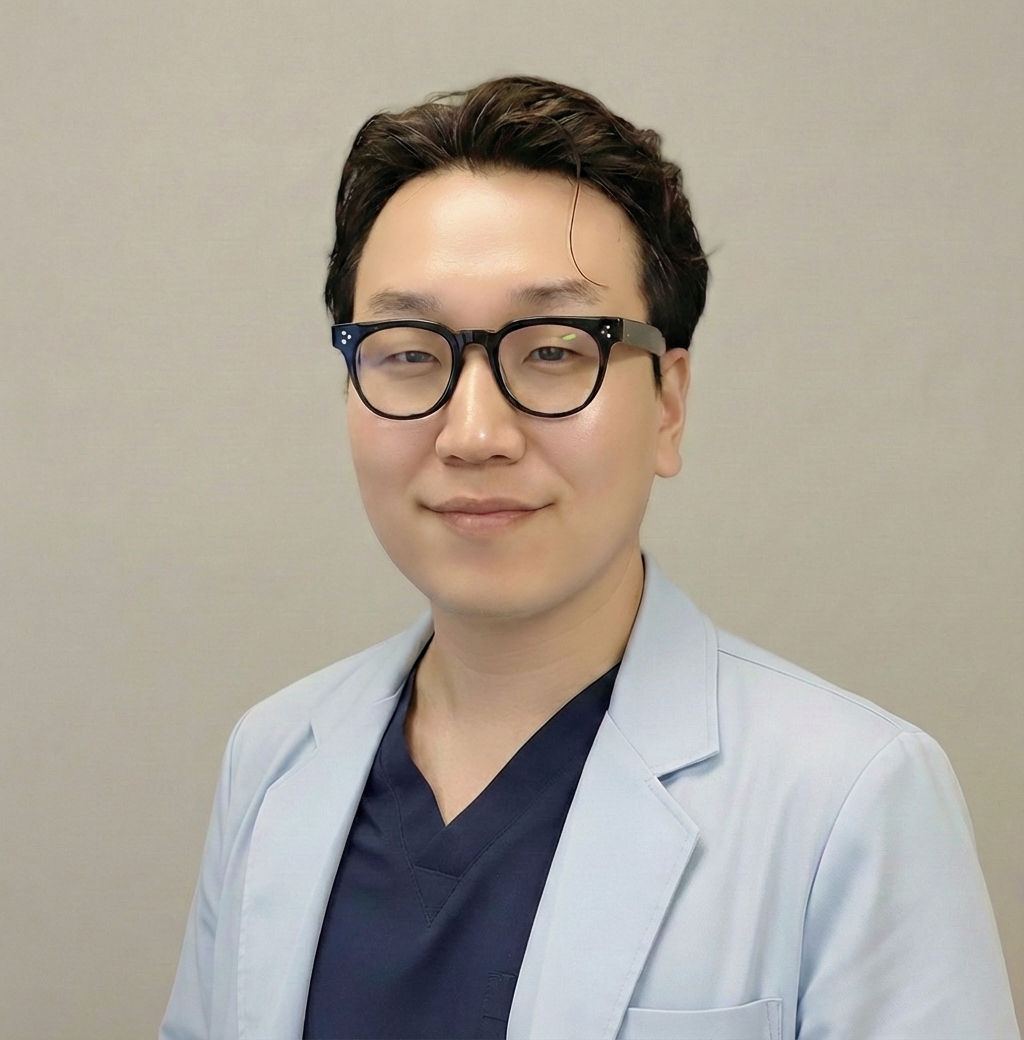
The director personally sees you from first to follow-up visits
We identify the essence through Sasang constitution, pulse and abdominal diagnosis
Treatment based on long clinical experience and evidence
Was this helpful? If you need accurate care for your condition, please contact us below.