

Ovarian Cyst
Ovarian Cyst
Fluid-filled sac on the ovary often causing pelvic discomfort
# Possibility / Realistic Goals (1)
# Comorbidities (2)
Q I have a chocolate cyst (endometrioma) along with severe menstrual pain. Can the menstrual pain be managed too?
A. Menstrual pain caused by an endometrioma is often much more severe than ordinary menstrual pain. Managing the pain from pelvic inflammation and adhesions, along with the cyst itself, is one of the important goals of Korean medicine treatment.
View details →Q Can polycystic ovary syndrome and ovarian cysts occur together? Is it more complicated if the two overlap?
A. The multiple small cysts seen in polycystic ovary syndrome (PCOS) are themselves a feature of PCOS and are different from an ordinary solitary ovarian cyst. A functional cyst can also accompany PCOS, in which case both restoring ovulation and managing the cyst must be done together.
View details →# Lifestyle Management (2)
Q I have an ovarian cyst. Is there anything I can do to manage it at home? Does warming the lower abdomen help?
A. Heat care that keeps the lower abdomen warm genuinely helps pelvic blood flow and reduces menstrual pain and abdominal discomfort. Make heat packs or foot baths a daily habit, and cut down on air conditioning and cold foods.
View details →Q Can I exercise if I have an ovarian cyst? Does weight management affect cysts?
A. If the cyst is small and stable, low-intensity aerobic exercise such as walking and swimming is fine. However, when the cyst is large, vigorous exercise carries a risk of torsion (twisting), so caution is needed.
View details →# Safety (2)
Q Suddenly one side of my lower abdomen hurts like it's tearing and I feel nauseous. I have a cyst. Is this okay?
A. If you have an ovarian cyst and experience sudden, severe one-sided pelvic pain, nausea, and cold sweats together, it may be a sign of cyst torsion (twisting) or rupture. You should go to the emergency room or a gynecologist immediately.
View details →Q Could an ovarian cyst turn into cancer? How can I tell if it's malignant?
A. Most ovarian cysts are benign, but if a cyst is large or has a complex internal structure, evaluating for malignancy is important. We first assess with a CA-125 blood test and ultrasound, and if needed, perform an MRI or biopsy.
View details →# Drug Combination / Interactions (1)
# Prognosis / Recovery (2)
Q A cyst was found on ultrasound, and they told me to come back in a few months. Can it really disappear on its own?
A. Functional cysts that form during ovulation mostly disappear without treatment after 1 to 3 menstrual cycles. That's why, when first discovered, follow-up monitoring is often recommended rather than immediate treatment.
View details →Q I had an ovarian cyst removed by laparoscopy, but it came back. Do I still need Korean medicine care after surgery?
A. Endometriomas and dermoid cysts have a high recurrence rate even after surgery. Even if surgery removes the cyst itself, if the internal body environment that makes cysts likely remains unchanged, the chance of recurrence stays. Korean medicine care after surgery can be expected to help suppress recurrence.
View details →# Causes Explained (2)
Q I was told there's a fluid-filled cyst on my ovary. Why do ovarian cysts develop?
A. An ovarian cyst is a fluid-filled sac inside the ovary. The most common type is a functional cyst, which forms temporarily during ovulation and then disappears. Non-functional cysts such as endometriomas and dermoid cysts do not resolve on their own.
View details →Q What's the difference between functional and non-functional cysts? I'm worried about which type mine is.
A. Functional cysts form during ovulation and usually disappear on their own within a month or two. Non-functional cysts such as endometriomas and dermoid cysts do not resolve by themselves and require follow-up monitoring or treatment.
View details →# Food / Triggers (2)
Q I tend to have a cold constitution. Do cold foods affect ovarian cysts? Are there foods I should be careful about?
A. Cold foods don't directly create cysts, but if they chill the pelvis and stagnate blood flow, accompanying symptoms such as menstrual pain and menstrual irregularity can worsen. It's best to favor warm foods.
View details →Q Can a lot of stress cause an ovarian cyst to form or grow?
A. Severe stress can disrupt hormonal balance and make the ovulation rhythm irregular, which can be an indirect factor in functional cysts forming more easily or in accompanying symptoms worsening.
View details →# Treatment Schedule (1)
# Treatment Stages (2)
Q When I first visit a Korean medicine clinic for an ovarian cyst, what order does the consultation follow?
A. First we confirm the type and size of the cyst from your gynecological ultrasound results, then check for pelvic coldness and blood stasis through pulse and body-heat diagnosis. We then establish a step-by-step treatment plan combining womb-warming, phlegm-resolving, and blood-activating therapies.
View details →Q Besides herbal medicine, what other methods do you use for ovarian cyst treatment? Do acupuncture, moxibustion, and sitz baths help?
A. With customized herbal medicine as the foundation, we combine large-scale and navel moxibustion that delivers heat deep into the lower abdomen, mugwort steam sitz baths that aid pelvic circulation, and acupuncture that revives the flow of qi and blood. Using heat therapy in combination is the key.
View details →# Effectiveness (1)
Ovarian Cyst is not just a simple symptom
Korean medicine that considers both your constitution and lifestyle rhythm treats the root cause.
From consultation to precise treatment, we provide personalized care.
Prescriptions tailored to your constitution and symptoms treat the root cause
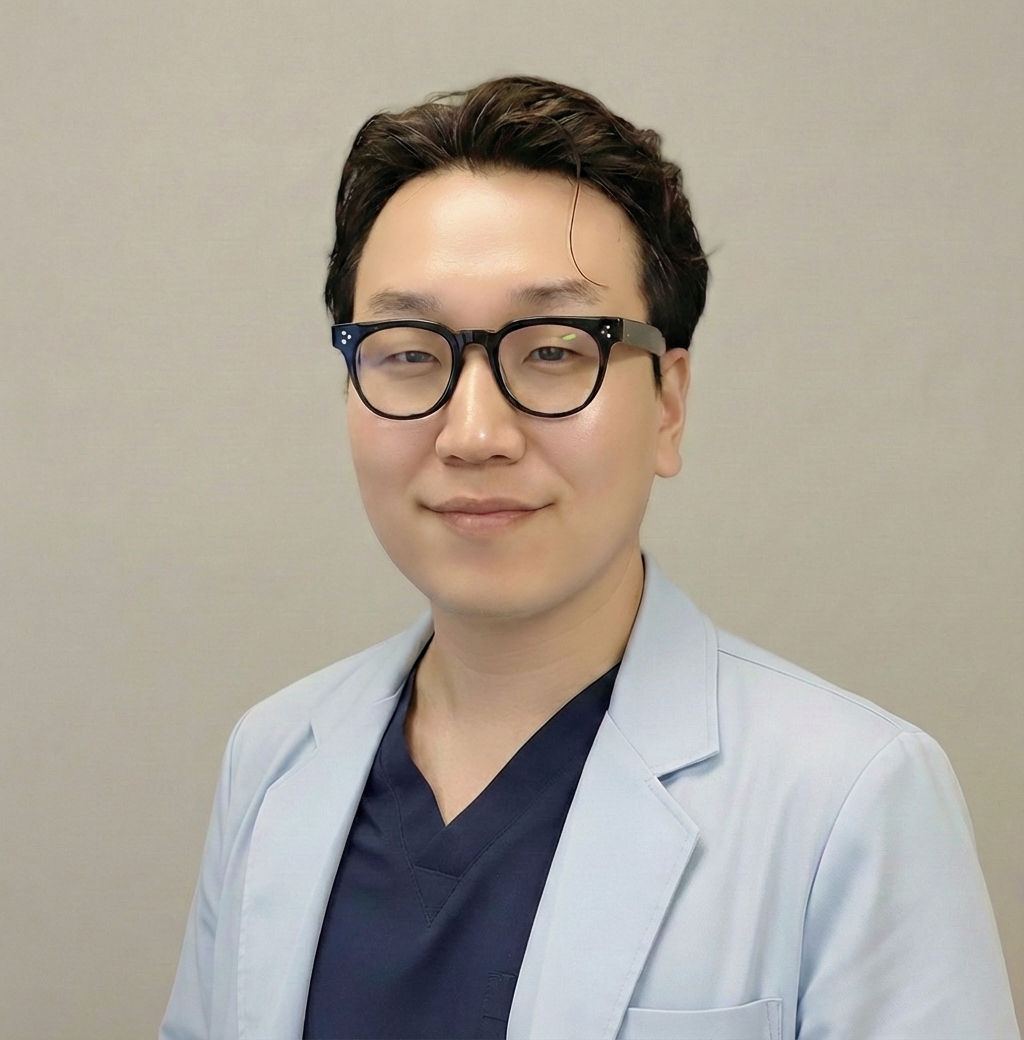
The director personally sees you from first to follow-up visits
We identify the essence through Sasang constitution, pulse and abdominal diagnosis
Treatment based on long clinical experience and evidence
Was this helpful? If you need accurate care for your condition, please contact us below.