
Chest Pain (Chest Wall Pain)
Chest Pain
Chest pain that is tender to the touch and changes with breathing or posture, arising from the ribs, costal cartilage, and back muscles.

# Possibility / Realistic Goals (3)
Q I am 45 and work full time. Cardiology says my ECG and echocardiogram are both normal, but my chest still hurts. So where is the problem?
A. If cardiac tests are normal and pain remains, the chest wall itself, including the ribs, cartilage, and back muscles, is a likely source. Normal test results do not mean there is no pain; they mean dangerous causes have been ruled out. From this point on, posture and musculoskeletal causes are worth examining.
View details →Q I am a 34-year-old man and was told I have costochondritis. Can treatment at a Korean medicine clinic help?
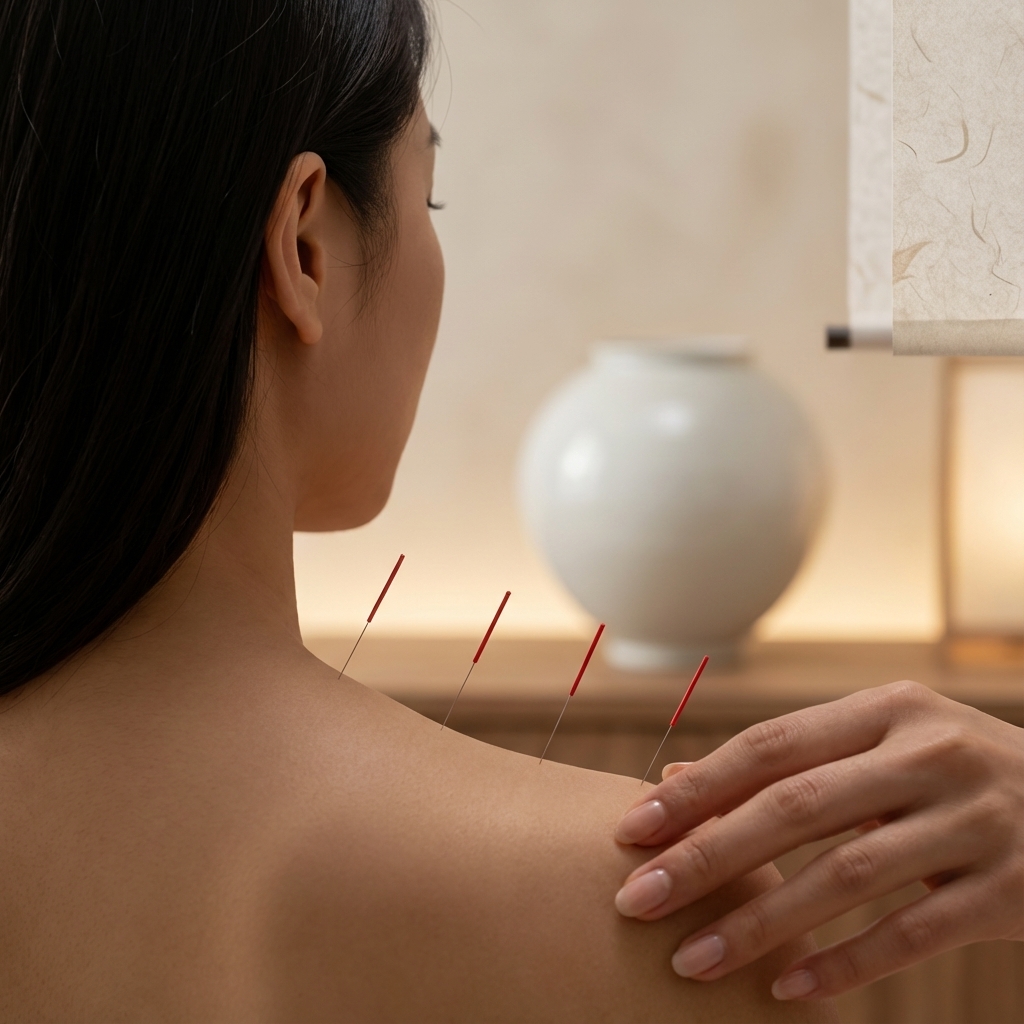
A. Inflammatory pain at the cartilage between the ribs and breastbone is strongly influenced by posture and usage habits, so releasing surrounding muscle tension and reducing irritation helps. Acupuncture combined with lifestyle adjustment while monitoring progress is the usual approach. Recovery speed varies widely depending on how long the pain has lasted and on daily circumstances.
View details →Q I am 47 and self-employed. My chest pain has come and gone for three years. Can something like this be treated?
A. Long-recurring chest pain usually means the conditions that keep producing the pain are still in place, rather than the pain itself being untreatable. Working posture, sleeping posture, and accumulated fatigue must be adjusted together for the cycle to lengthen. The longer the history, the more time it takes, but that does not mean nothing changes.
View details →# Comorbidities (1)
# Lifestyle Management (2)
Q I am a 42-year-old nurse and my chest hurts more when I wake up. How should I position myself for sleep?
A. Sleeping curled on one side compresses the lower ribs and shoulder, which can worsen morning pain. Lying on your side with the painful side up, with a pillow supporting the upper arm so the shoulder does not roll forward, reduces the load. When lying on your back, a thin cushion under the knees lowers tension in the lower back and upper body together.
View details →Q Are there stretches I can do at my desk? I am a 36-year-old office worker and my chest feels tight when I sit for long.
A. Opening the front of the chest and moving the upper back for one or two minutes once an hour changes how quickly pain accumulates. While pain is present, do not bounce; stretch only to a comfortable range. More important than stretching is not staying in one posture for long.
View details →# Safety (2)
Q When chest pain occurs, when should I go straight to the emergency room?
A. Musculoskeletal causes of chest pain are common, but life-threatening causes appear in the same area. If any of the signs below are present, go to the emergency room or call emergency services without delay. A musculoskeletal conclusion is only reached after the heart and lungs have been ruled out.
View details →Q I am a 50-year-old woman and have taken anti-inflammatory painkillers for more than two months whenever my chest hurts. Is it alright to keep taking them?
A. Anti-inflammatory painkillers help reduce pain in the acute phase, but long-term use can bring burdens such as heartburn or damage to the stomach lining. Caution is especially needed if your meals are irregular or your stomach was already weak. If use is becoming prolonged, it is worth revisiting the duration with the prescribing clinician.
View details →# Drug Combination / Interactions (1)
# Prognosis / Recovery (1)
# Causes Explained (3)
Q I am 41, office work, sitting more than ten hours a day. For a few weeks I have had a dull ache below my left chest. Could this be my heart?
A. Chest pain that begins after long hours of sitting often comes from where the ribs meet the breastbone, and from tension in the back and shoulders. Because heart causes must be ruled out first, it is safer to have basic tests such as an ECG before drawing conclusions. If those tests are normal and the pain changes with posture, a musculoskeletal origin is likely.
View details →Q I am a 38-year-old homemaker. When I press one side of my chest with a finger, that exact spot hurts. Can this still be heart related?
A. Pain that is reliably reproduced by pressing a specific point almost always comes from the cartilage or muscles around the ribs. Pain from the heart cannot be reproduced by pressing with your hand. Even so, tenderness alone does not completely rule out a cardiac problem, so basic testing is worth having on record.
View details →Q I am a 52-year-old man. My chest only hurts when I breathe in deeply or roll over in bed. Why is that?
A. If the pain changes with breathing and posture, it is likely related to rib movement. The ribs rise and fall with every breath, and when those joints or the surrounding muscles are stiff, the movement itself becomes painful. Lung causes can present similarly, so they need to be distinguished.
View details →# Food / Triggers (2)
Q I am a 29-year-old man and chest pain started after I began going to the gym. Do I have to stop exercising altogether?
A. Movements that concentrate force at the front of the chest, such as bench press or push-ups, can worsen the pain and are best reduced until it settles. However, there is no need to stop all exercise; movement within a pain-free range actually aids recovery. Resting only the movements that hurt is the practical approach.
View details →Q I am a 44-year-old woman whose chest hurts more on cold days or after a large meal. Do weather and food have an effect?
A. Exposure to cold air makes the upper body muscles reflexively hunch, which can bring out pain in areas that were already stiff. Overeating or a late meal can push the diaphragm upward, making breathing shallow and the chest feel tight or painful. Both are conditions that amplify existing pain rather than causes in themselves.
View details →# Treatment Schedule (1)
# Treatment Stages (1)
# Effectiveness (1)
Chest Pain (Chest Wall Pain) is not just a simple symptom
Korean medicine that considers both your constitution and lifestyle rhythm treats the root cause.
From consultation to precise treatment, we provide personalized care.
Prescriptions tailored to your constitution and symptoms treat the root cause
The director personally sees you from first to follow-up visits
We identify the essence through Sasang constitution, pulse and abdominal diagnosis
Treatment based on long clinical experience and evidence
Was this helpful? If you need accurate care for your condition, please contact us below.